US Bans Chinese AI DeepSeek From Government Systems
Part of composite article China Rejects U.S. Plan to Widen Investment Bans as Tech Tensions Escalate View full article →
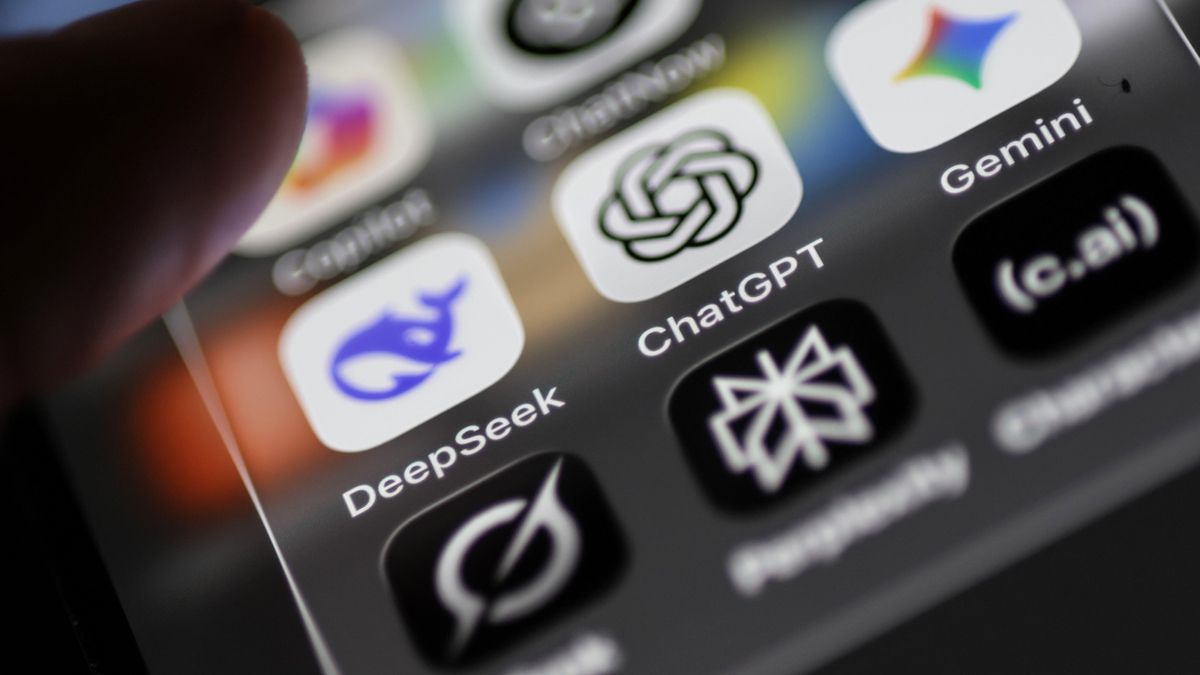
The United States has ordered the removal of all artificial intelligence (AI) products made by Chinese company DeepSeek from government computer systems. The Department of Homeland Security issued the directive on Monday, requiring federal agencies to delete DeepSeek products and any third-party services built on its models. Affected agencies include the Treasury, State, and Justice Departments, though Defense Department agencies are excluded.
Washington cites espionage and cybersecurity concerns as reasons for the ban. According to the official notice, DeepSeek's use creates "multiple threat vectors" and "may result in the transfer of sensitive data to China" if used by government employees or contractors. The department also warned that the technology "could produce actionable intelligence on Americans and/or government agencies" and that the models "may contain malicious software or other security vulnerabilities."
China's Foreign Ministry responded Tuesday, rejecting what it called the "politicization of technological and economic-trade issues." Spokesperson Mao Ning opposed Washington's "generalization" of national security concerns and said China will "firmly" defend the legitimate rights of its companies.
The federal ban expands restrictions already imposed by several US institutions. Before this order, the Commerce Department, the Navy, and states including New York, Tennessee, and Virginia had banned DeepSeek products on official devices.
DeepSeek gained international attention in early 2025 by launching AI models that achieved results comparable to American systems but at a fraction of the cost. Its emergence shook a sector dominated by OpenAI, Google, Meta, and Anthropic, which have made massive investments in computing infrastructure.
The DeepSeek ban is part of a broader Trump administration push to curb Chinese AI, fueling a technological cold war. In July, the Federal Communications Commission (FCC) voted to prohibit the sale of devices with critical components from Chinese manufacturers and proposed blocking telecom carriers from connecting with Chinese firms. The FCC also banned the sale of Chinese-made androids and, in December, blocked imports of new Chinese drone models and home routers.
On October 29, the FCC will vote on whether to bar all Chinese laboratories from certifying devices sold in the US, including phones, cameras, and computers. The impact would be significant: last year, 82% of electronic devices sold in the US passed certification at Chinese facilities.
These measures reflect a trend toward fragmenting the internet into national blocs, highlighted by the Trump-Xi agreement to separate TikTok's 170 million US users from the rest of the world. That deal, designed to place the recommendation algorithm under White House and corporate ally oversight, signaled Washington's shift toward the digital borders doctrine practiced by Beijing and Moscow.
This policy could spread globally and "balkanize" the web. "There is a real risk that users become locked into national walled gardens," warned Christoph Schmon, International Policy Director at the Electronic Frontier Foundation (EFF). "National laws and orders are meant to regulate domestic matters, so some legal fragmentation of the internet is inevitable. However, the real concern arises when these measures are poorly targeted and risk segmenting the global, interoperable network into isolated systems."