Spain’s Housing Crisis Turns Deadly: Eviction Death Sparks Nationwide Protests
Part of composite article Spain’s Housing Crisis Ignites General Strike as Anger Boils Over View full article →
The death of an elderly woman after she was evicted from her home in Madrid’s Retiro district has become a symbol of Spain’s growing housing crisis. Maricarmen Abascal’s case is not an isolated tragedy. It shows a deeper, systemic failure: housing has shifted from a basic right to a financial asset, leaving many people behind.
Across Spain, a growing number of workers and families can no longer afford a place to live. Wages are low, jobs are unstable, and rents and home prices keep rising. For young people, the situation is especially severe. According to the Spanish Youth Council’s Emancipation Observatory, only 14.5% of young adults live independently — the lowest rate on record and one of the worst in the European Union.
Spain’s welfare model has a structural flaw. Unlike countries such as the Netherlands, where about 34% of housing is social or affordable rental, or France, where the figure is around 14%, Spain’s public housing stock is just 2%. This means most people must rely on the private market, with little protection when prices rise or incomes fall.
Short-term aid and subsidies have not solved the problem. In many cases, they end up channeling public money to private landlords without fixing the underlying shortage of affordable homes.
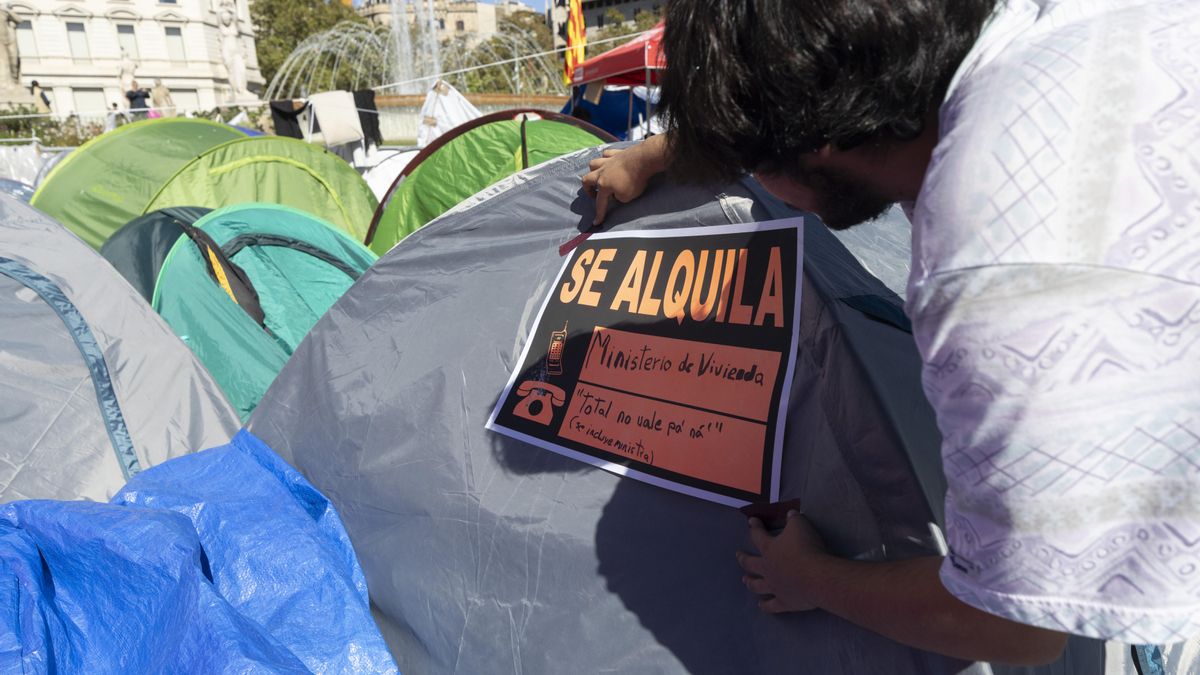
The recent wave of protests and encampments — including in Madrid’s Puerta del Sol — marks a shift. Public anger has moved beyond individual frustration. When even full-time work or professional qualifications no longer guarantee a roof, the problem is no longer seen as personal failure. It is understood as a failure of the system.
Protesters are not just demanding minor fixes. They are challenging a housing model that puts financial profit ahead of people’s basic security. Addressing this emergency will require structural change: significantly expanding public rental housing, mobilizing empty homes and available land, and effectively regulating overheated rental markets.
Maricarmen Abascal’s death must be a turning point. A country where having a home is a privilege for a few and a source of uncertainty for most is not sustainable. Ensuring decent, stable, and affordable housing is not just an economic adjustment — it is the most urgent investment in social cohesion and democratic dignity. The streets have shown the way. Now institutions must prove they are ready to follow.