Spain's Left: "We Still Have to Vote" — But This Time with Hope, Not Fear
After years of political exhaustion, many left-wing voters greeted Spain's snap election announcement with a weary sigh: "And now we still have to vote." The feeling was less excitement than obligation — like a tiresome chore at the end of a long day.
The mood among the left has been grim. Years of political stress, a poisoned public debate, and a progressive government forced to work with a less-than-progressive parliament have taken their toll. Add to that the global rise of the far right, repeated electoral defeats, and everyday worries about housing and the cost of living. Another election felt like the last straw.
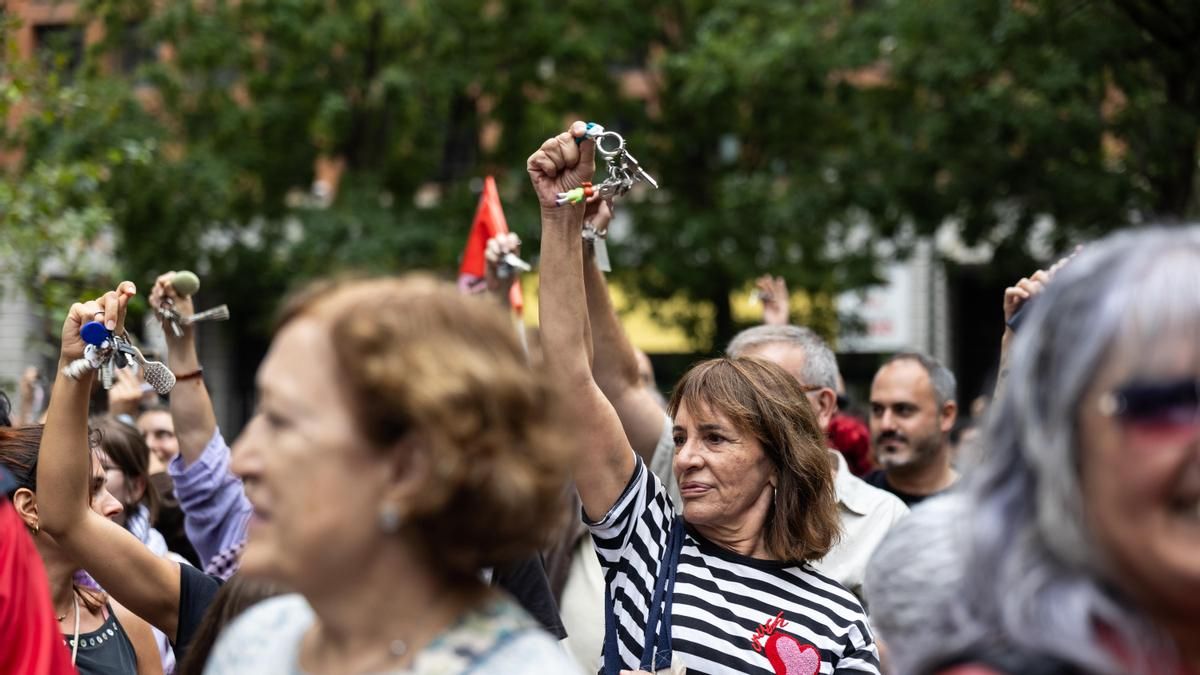
Then came the housing protests. Suddenly, people who had retreated into pessimism found themselves back on the streets — surprised to see how many others were there too. Many were young, a group some had assumed had drifted to the far right. For a moment, a shared sense of purpose replaced despair.
An early election does not fix this morale problem. The protests were not calling for elections. And on November 29, many will likely vote out of fear rather than enthusiasm. But something has shifted. The idea that the right holds an unbeatable majority now feels less certain. Polls do not replace ballots, and a government with the far-right's Santiago Abascal as deputy prime minister is not inevitable.
The left's real challenge is not just closing the gap in the polls. It is lifting the spirits of its own voters. As one expression puts it: "We still have to vote" — a phrase that can sound like a burden or a rallying cry. The goal is to turn resignation into hope. The game is not lost before it is played.