Israeli directors release ‘Naza’ for free to bypass silencing efforts
Part of composite article Israel Moves to Strip Citizenship From 2 Oscar-Winning Directors Over Gaza Documentary View full article →
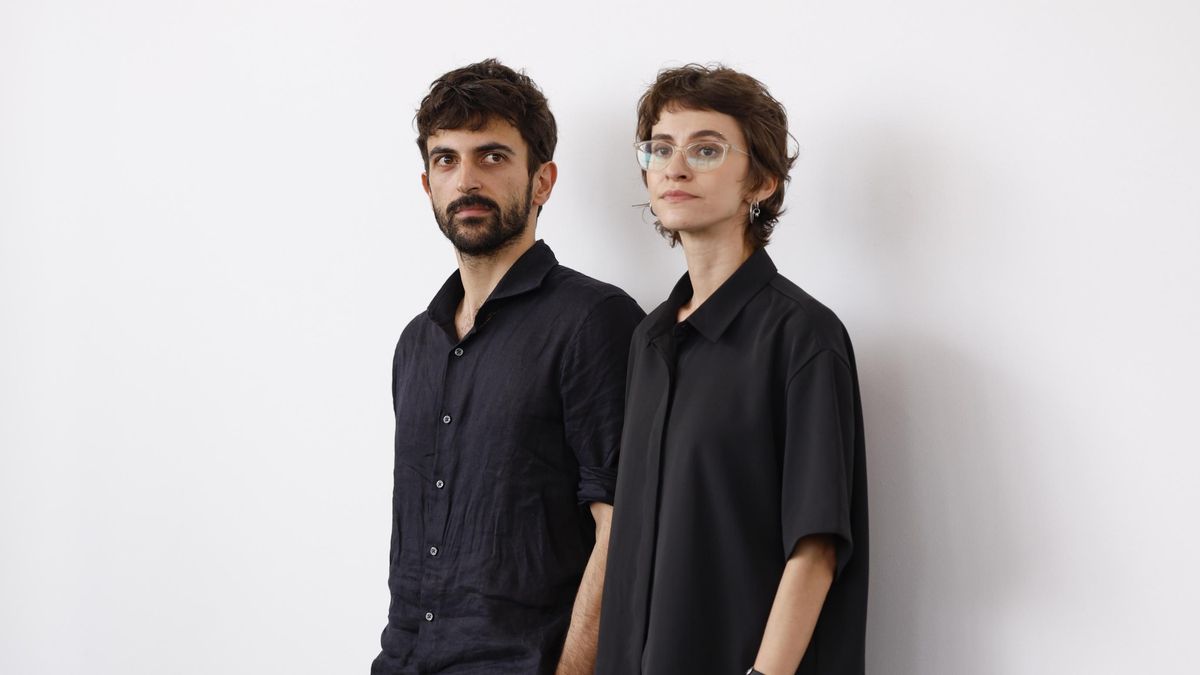
The directors of *Naza*, Yuval Abraham and Rachel Szor, have announced that their film will be available for free on the internet worldwide starting in November. They are also offering it to Israeli cinemas at no cost.
Abraham made the announcement on social media. He said the decision was made with *The Guardian*, which produces the film, "due to the public interest and importance" of the movie. The goal is for "anyone to see the testimonies of the soldiers."
"Meanwhile, we have approached cinemas in Israel and offered them the film for free, in the hope that it will be screened in the country," Abraham said.
He called the film's projection "a brave decision in the face of great violence aimed at hiding it." He added that there is "huge demand" to see the film and hopes everyone can watch it soon, either in cinemas or online.
*Naza* is based on anonymous testimonies from 24 Israeli soldiers and intelligence officers. It examines military operations in Gaza and the use of technology to select targets. The film won the Special Jury Prize at the Venice Film Festival and is currently showing at the San Sebastian Festival. It will be released in Spain on October 9.
Recently, far-right activists protested outside the home of director Rachel Szor's parents.
Abraham said the film was made to "generate public debate" about the government's actions in Gaza and the deaths of over 73,000 people, most of them civilians. "24 soldiers took a step and spoke in front of a camera about what an entire society does not want to talk about," he said.
He also addressed criticism of the film. "Many incorrect things have been said about us and the film over the past week," he said. "The film is based on a thorough three-year journalistic investigation and the details in it are verified and cross-checked. It will speak for itself."
Abraham rejected accusations of betrayal. "Journalism is not treason. Criticism is not treason," he said. "It is the duty of every citizen whose government commits crimes to know about them, and of every soldier who witnessed them to tell."
He called on other soldiers to come forward. "There are thousands of soldiers like this out there who will see the film and recognize what is described," he said. "Although it is frightening, it is your duty to find a way to testify about what you saw."
Abraham said he has spent three years writing in Hebrew about the army's fire policy in Gaza for *Shicha Mekomit*. "The investigations were ignored in Israel," he said. "Now, for the first time, something is cracking in the screen of ignorance, and that is a positive thing."
He acknowledged the personal cost. "It has been a hard week," he said. "But there is also a lot of support and generosity. One thing I am sure of: threats will not help. They do not deter us. Rachel and I will return to the country and continue fighting for the future of this place alongside many colleagues."