Silicon Valley War: Trump Fights AI Rules as 80% of Voters Demand Them
A fierce battle over artificial intelligence (AI) regulation is splitting Silicon Valley and reshaping American politics. At stake are billions of dollars, a geopolitical race with China, and control of the U.S. Congress in elections less than three months away.
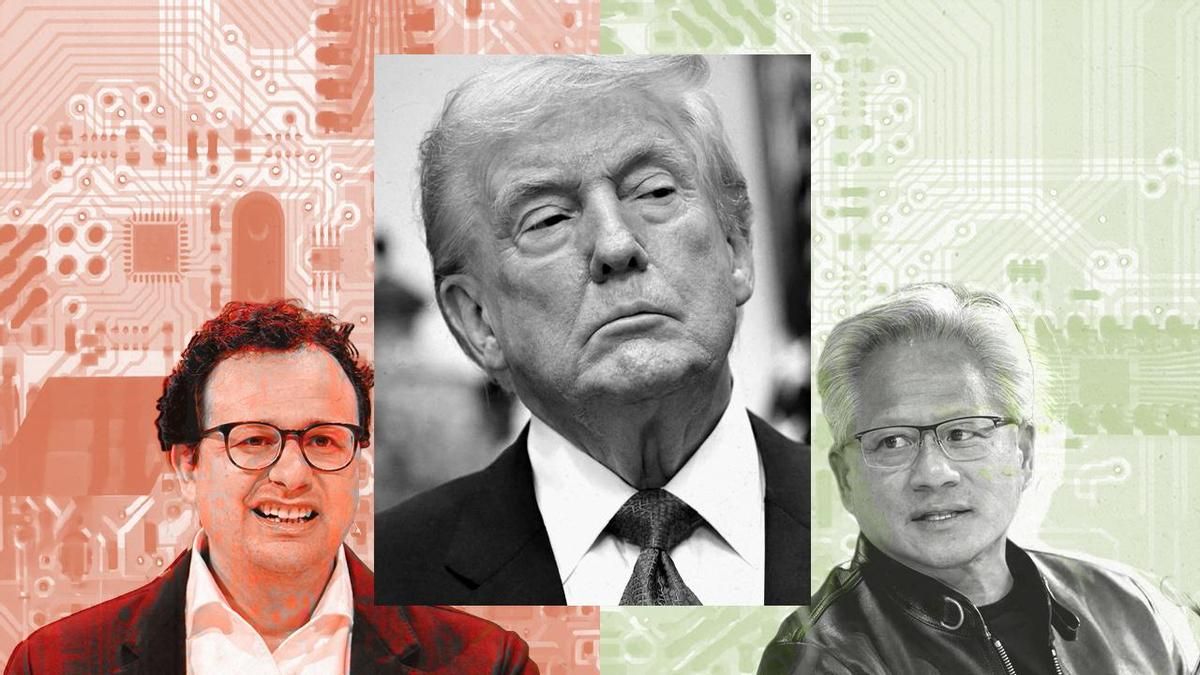
President Donald Trump opposes any new rules for AI. He has called safety warnings from industry leaders a "sick conspiracy" and compared them to past political scandals. His message: regulation would hand the advantage to China.
Trump is not alone. Jensen Huang, CEO of chip giant Nvidia, and Mark Zuckerberg, CEO of Meta, support his position. Huang argues the market is already moving fast and needs no new laws. Zuckerberg says companies have strong reasons to prevent harm on their own.
On the other side stands an unusual alliance. Dario Amodei of Anthropic, Sam Altman of OpenAI, and Elon Musk of xAI have put aside past conflicts to back a plan that would slow AI development and add independent safety checks. Amodei says the industry must lead by example. Altman warns that a few companies should not make decisions for everyone. Musk criticizes firms that only act responsibly if competitors do the same.
The fight is not limited to boardrooms. Across the U.S., protests against massive AI data centers are growing. Rising energy prices are the main driver, but water use, tax breaks, and few local jobs also fuel anger. In Texas, Pennsylvania, and Michigan, politicians from both parties have changed their positions.
Public opinion is clear. A University of Maryland survey found that about 80% of voters, Democrats and Republicans alike, want a federal agency to oversee AI. A similar number support safety tests for models that make critical decisions.
With elections approaching, lawmakers are paying attention. The split in Silicon Valley could kill hopes for self-regulation. Trump's total rejection of rules risks alienating key supporters in the tech industry. In the end, voters, not tech executives, may decide how AI is governed.