Oil Near $100, European Gas Up 138% Since Iran War Began
Part of composite article Fed Set to Hike Rates Three Times as Oil Tops $100 and Inflation Fears Roar Back View full article →
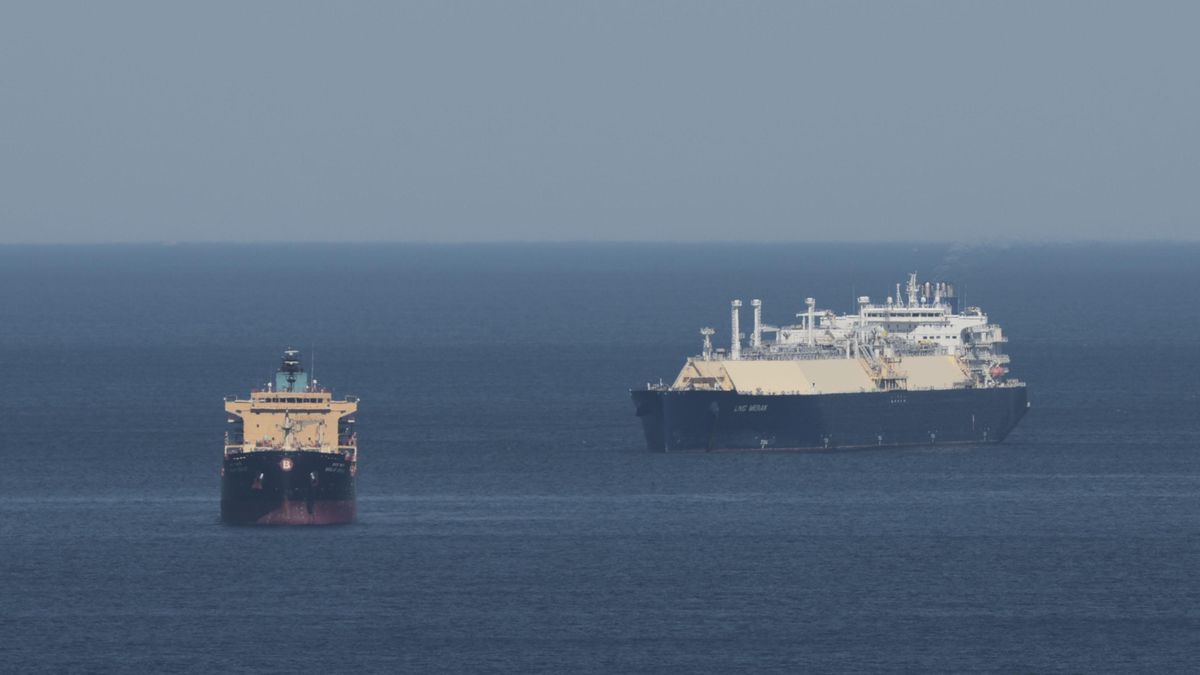
European benchmark gas prices have surged more than 138% since the start of the war in Iran, trading above 75 euros per megawatt hour (MWh) on Tuesday—the highest level since 2023. Before the conflict, gas was around 30 euros/MWh.
Brent crude, Europe's reference oil, approached the psychological barrier of $100 per barrel this Tuesday, a level not seen since May. It peaked at $99.4 in morning trading. The US benchmark West Texas Intermediate (WTI) rose 1.3% to near $93, touching $95 during the session.
The price spike follows escalating Middle East tensions. Houthi rebels from Yemen attacked targets in Saudi Arabia, wounding at least 73 people, after coalition airstrikes killed seven. US forces also bombed Iranian oil tankers over the weekend.
Since the conflict began on February 28, European reference crude has risen about 35%. In Spain, diesel is up nearly 30% and gasoline around 16%.
European gas storage remains low. EU reserves are at 66.9% capacity, compared to nearly 80% a year ago. Germany's reserves have not reached 55%, according to Gas Infrastructure Europe. However, current prices remain far below the record levels of 2022, when the TTF neared 350 euros/MWh following Russia's invasion of Ukraine.
The gas rally is adding pressure to European industry competitiveness and inflation. The European Central Bank is expected to raise interest rates by a quarter point to 2.5% at Thursday's meeting, with the Euribor mortgage indicator already above 3.1%.
In Spain, the wholesale electricity market averaged over 148.5 euros/MWh in September so far, compared to 50.6 euros a year ago. Futures for the final quarter of the year are above 135 euros/MWh. These increases partially transfer to the regulated PVPC tariff, while free-market contracts will adjust as they expire.