Global Elections Could Redraw the World’s Political Map
Part of composite article Germany’s Far-Right AfD Poised for Historic State Win — First Since WWII View full article →
In less than a year, several of the world’s most influential countries may see major shifts in their internal power structures, with consequences that reach far beyond their borders. Elections scheduled in Germany, France, the United States, Israel, and Brazil, among others, could produce results that change the current international direction and reshape the balance of political ideologies worldwide.
The nearest test comes this Sunday in the German state of Saxony-Anhalt, in the former East Germany. Regional elections there will be followed by votes in Mecklenburg-Western Pomerania on September 20, with more to come in the following months. In nearly all of these races, the far-right party Alternative for Germany (AfD) is leading in the polls, and in some cases could take power in federal states. The party is not moderating as it nears success—it is becoming more radical.
AfD leader Alice Weidel has said: “If we win the federal elections—the next step to power—I will close the borders within the first 100 days, cut all subsidies for immigrants, and carry out the largest deportations in Germany.” That message is attracting millions of Germans who see xenophobic rhetoric as a solution to the country’s problems. “Immigrants are to blame” has become a rallying cry for a growing group that could, in a few months, govern the nation.
Germany does face real difficulties. Its industry, the engine of decades of economic growth, has been losing strength. The war in Ukraine has disrupted its energy model, and Chinese products are taking more market share. But immigrants are not responsible for these problems, even though millions of Germans want to make them pay the price.
In France, where presidential elections are set for April and May next year, immigration dominates the political debate. The far-right National Rally party is the favorite in most polls, though by a narrow margin. But the party faces internal tensions: veteran leader Marine Le Pen is competing with younger rival Jordan Bardella, with Le Pen taking a harder line, especially on immigration.
Meanwhile, the left is more divided than ever. After President Emmanuel Macron’s political decline, no clear leader has emerged for this bloc, which still commands a slight majority of votes when combined. The lack of direction is so serious that speculation has arisen that former socialist president François Hollande might return to lead the left’s campaign. He has not denied it.
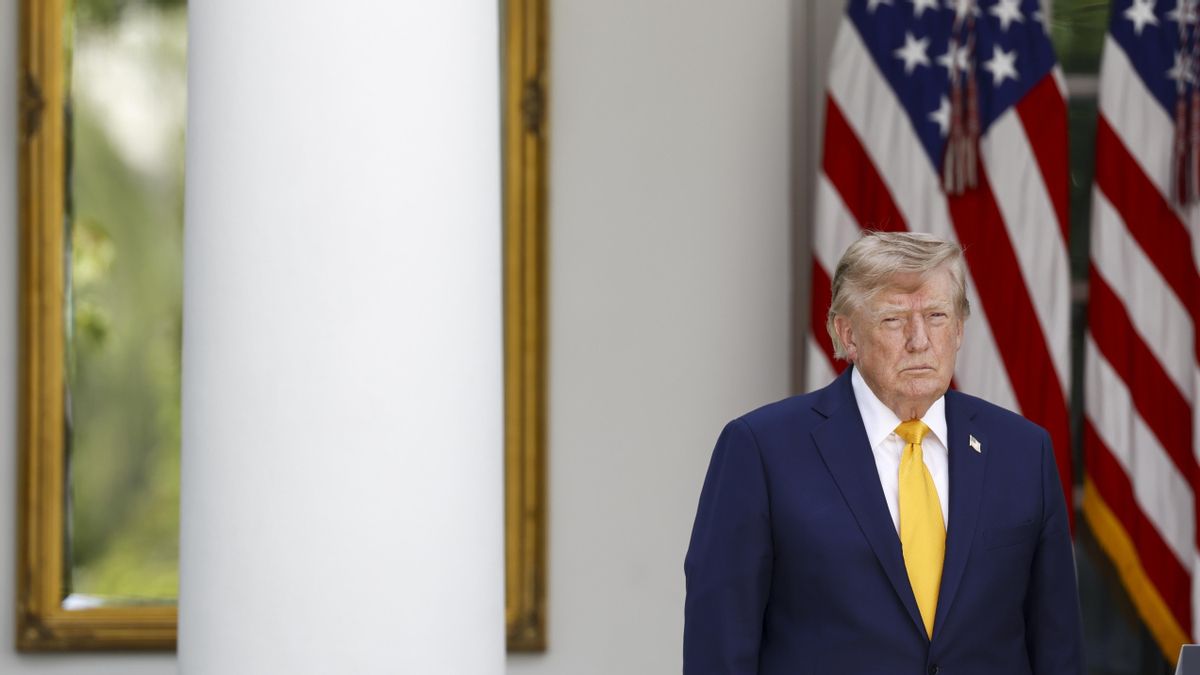
In the United States, the midterm legislative elections carry global weight. Polls suggest Donald Trump could face a significant defeat. What no one dares predict is how he would react—whether he would double down on radical positions or change course.
The bigger concern is that Trump’s response to a loss could mirror his reaction after losing to Joe Biden, when he encouraged the assault on the Capitol. That is, he might disregard all rules and push for what some describe as a coup attempt to keep his allies in power and protect their privileges. It may sound like a fantasy, but many in the American press believe it is not impossible.
Brazil, which holds presidential elections on October 4, and Israel, with legislative elections on October 27, are the other two countries whose outcomes could have global impact. In Brazil, a defeat for Lula da Silva at the hands of Flávio Bolsonaro, son of former president Jair Bolsonaro and current right-wing candidate, would give worrying momentum to the radical conservative wave spreading across the continent. In Israel, a possible but uncertain defeat for Netanyahu could either bring a more moderate and pragmatic leader to power—or an even more extreme far-right figure.