Nude Photos Become Chat Stickers: Hong Kong Women Face New Image Abuse Nightmare
Part of composite article AI Image Abuse Epidemic: 1 in 5 Kids Targeted as Lawsuits and Reforms Battle Deepfake Crisis View full article →
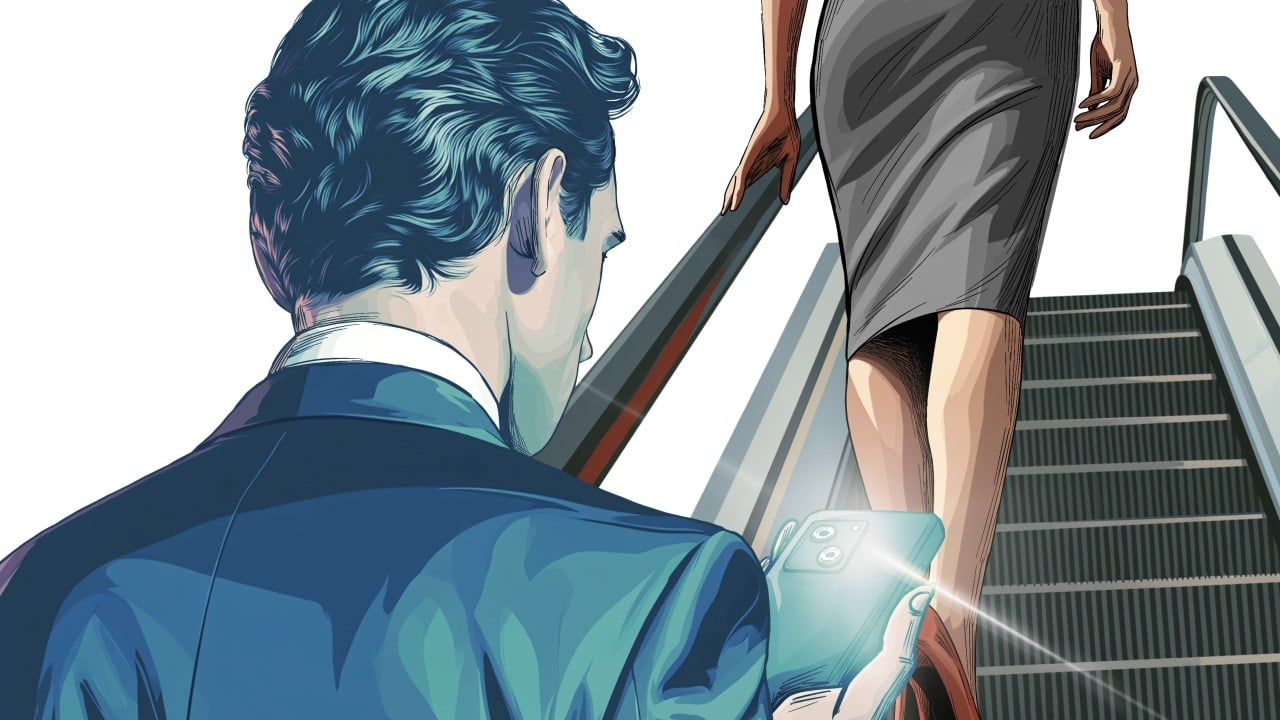
Five years after a stranger took a nude photo of her without consent, a Hong Kong woman opened Instagram and found the image had been turned into a sticker. The sticker was then sent back to her in a private chat.
Terrified that the image could already be circulating widely, the victim contacted Emilia Wong Yue-kiu, a women’s rights activist and adult content creator who campaigns for bodily autonomy. But Wong was pessimistic that filing a report would lead to justice.
“This is just one of countless similar messages for help I receive,” Wong said, pointing to a growing loophole in Hong Kong’s anti-image abuse laws.
Hong Kong criminalized the non-consensual sharing of intimate images in 2021. Yet activists say the law fails to cover cases where photos are altered or repurposed—such as being turned into stickers, memes, or deepfakes—leaving victims with little legal recourse.
The woman’s case highlights a disturbing trend: even when original images are removed, edited versions can resurface years later on social platforms, often sent directly to victims as a form of psychological harassment.
Wong argues that the current law defines “intimate image” too narrowly. It does not clearly include images that have been cropped, filtered, or converted into different formats, even if the original capture was non-consensual.
Authorities have yet to comment on this specific case. But legal experts say the incident underscores an urgent need to update legislation to match evolving digital abuse tactics.
For now, the victim remains in limbo, unsure if the sticker has spread further or if reporting it will only draw more attention to her trauma. Wong says her inbox is full of such stories—each a reminder that a single stolen image can haunt a person for years.