Tibetan Plateau Glaciers Shrinking Fast, Warns Top Climate Official
Part of composite article Glaciers on Tibetan Plateau Shrink 24% in 60 Years—7,000 Gone, Warns Top Climate Official View full article →
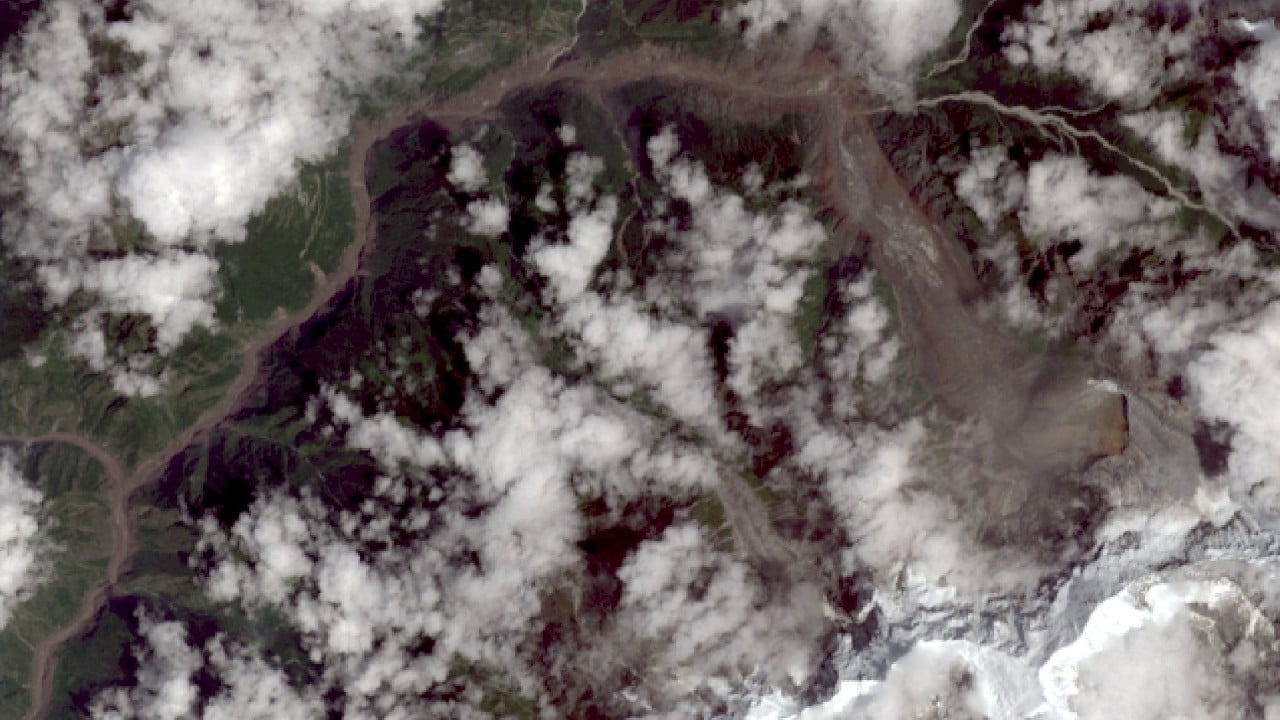
Glaciers on the Tibetan Plateau are becoming dangerously unstable, raising the risk of sudden collapses and cascading disasters, a senior Chinese climate official warned on Thursday. The alert comes as the death toll from last week’s catastrophic landslide and flood along the China-Nepal border continues to climb.
“Over the past 60 years, the glacier area on the Tibetan Plateau has shrunk by around 24 per cent, with roughly 7,000 small glaciers disappearing completely,” said Gao Rong, deputy director of China’s National Climate Centre.
Gao explained that as glaciers melt, the remaining ice becomes more fragile. This can trigger sudden ice falls, which may block rivers and cause flash floods downstream. Such events often strike without warning, making them especially deadly for mountain communities.
The warning follows a disaster that buried parts of a border village, killing dozens and leaving many missing. Rescue teams are still searching for survivors, but unstable terrain and continuing rain are hampering their efforts.
Scientists say the plateau, often called the “Third Pole” because it holds the largest store of ice outside the polar regions, is warming faster than the global average. As the ice retreats, the risk of more landslides, glacial lake outburst floods, and debris flows is expected to rise.
Gao urged regional governments to strengthen monitoring systems and prepare early-warning plans for vulnerable valleys. “We cannot stop the glaciers from melting,” he said, “but we can improve how we respond to the dangers they leave behind.”