Spain Extends Deadline for New Data Center Rules Amid Industry Backlash
Part of composite article Data Centers Are Eating the World’s Power. Now Communities Are Fighting Back. View full article →
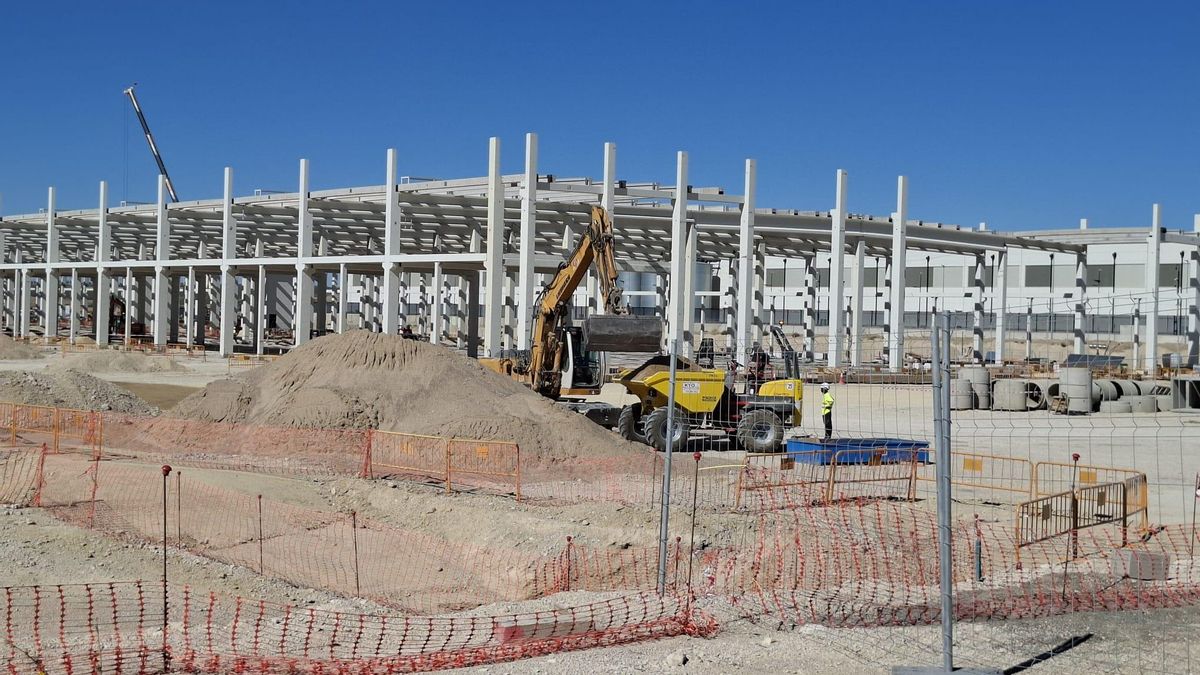
The Spanish government has extended the public comment period for its controversial draft decree that would impose stricter requirements on data centers, following intense criticism from the sector.
The draft was opened for consultation on August 27 and was originally set to close this Friday. It will now remain open until Thursday, September 10, at 5:00 PM. The Ministry for Ecological Transition said the extension aims to "facilitate participation" and comes after formal requests from stakeholders.
The proposed rules were drafted urgently by three ministries: Ecological Transition, Economy, and Digital Transformation. They have drawn sharp opposition from industry players who warn the measures could threaten billions in investment.
SpainDC, the Spanish Data Center Association, formally expressed concern on Monday and called for "substantial changes" to the text. The group argues that the requirements could "compromise real investments, hinder the viability of mature projects, and significantly reduce Spain's competitiveness against other European markets."
The sector says up to 60 billion euros in potential investment is at risk. Data centers have become a booming business due to the rise of artificial intelligence.
Under the draft rules, data centers would need to source 80% of their energy from renewables on a minute-by-minute basis. The proposal also includes cybersecurity and digital sovereignty requirements, such as requiring operators to be established within the European Union.
The deadline extension comes as the government is reportedly in talks with major U.S. tech companies over the environmental conditions in the future decree. Officials want to avoid driving away investment while addressing growing energy demand.
Spain initially expected to reach 2.5 gigawatts (GW) of data center capacity by 2030. However, grid access permits already granted exceed 12 GW, with another 20 GW in pending requests. The government warns that if all projects materialize, supply problems could emerge.
One expert, investor Joaquín Coronado, called the 80% renewable requirement "disproportionate," noting it would force overbuilding generation to cover low-production hours and waste surplus at other times.
Ireland and parts of the United States already face heavy strain from data centers, which can account for over 25% of electricity consumption in some areas. The Netherlands has imposed moratoriums to slow expansion.
In Spain, installed data center capacity stood at 439 megawatts (MW) at the end of 2025. Industry estimates project between 2.6 and 2.9 GW by 2030, with the government's own AI strategy forecasting around 2.5 GW.
Meanwhile, grid permits already issued total about 12 GW—more than six times the projected real need by 2030. The government says this reflects a bubble, with multiple projects competing for the same grid connection points.
Data centers have also become a political issue in the United States, where they are influencing midterm election debates. In Spain, regions governed by the People's Party, such as Madrid and Aragón, have welcomed the industry. Aragón is seen as a rising European hub due to its land, renewable resources, and submarine cable connections to the U.S. and UK.
Major Spanish companies, including ACS, Iberdrola, and Merlin Properties, have entered the sector. Utilities view data centers as a chance to boost electricity demand, which has been weak and threatens the profitability of renewable projects.
Morgan Stanley recently raised its forecast for Spain's data center capacity to 4.3 GW by 2035, up from a previous estimate of 2.8 GW.