Manila’s Air Turns ‘Acutely Unhealthy’ as Indonesian Wildfire Smoke Drifts 2,000 km
Part of composite article Indonesia’s Burning Forests Force Emergency Rescue of Critically Endangered Orangutans as Haze Chokes Southeast Asia View full article →
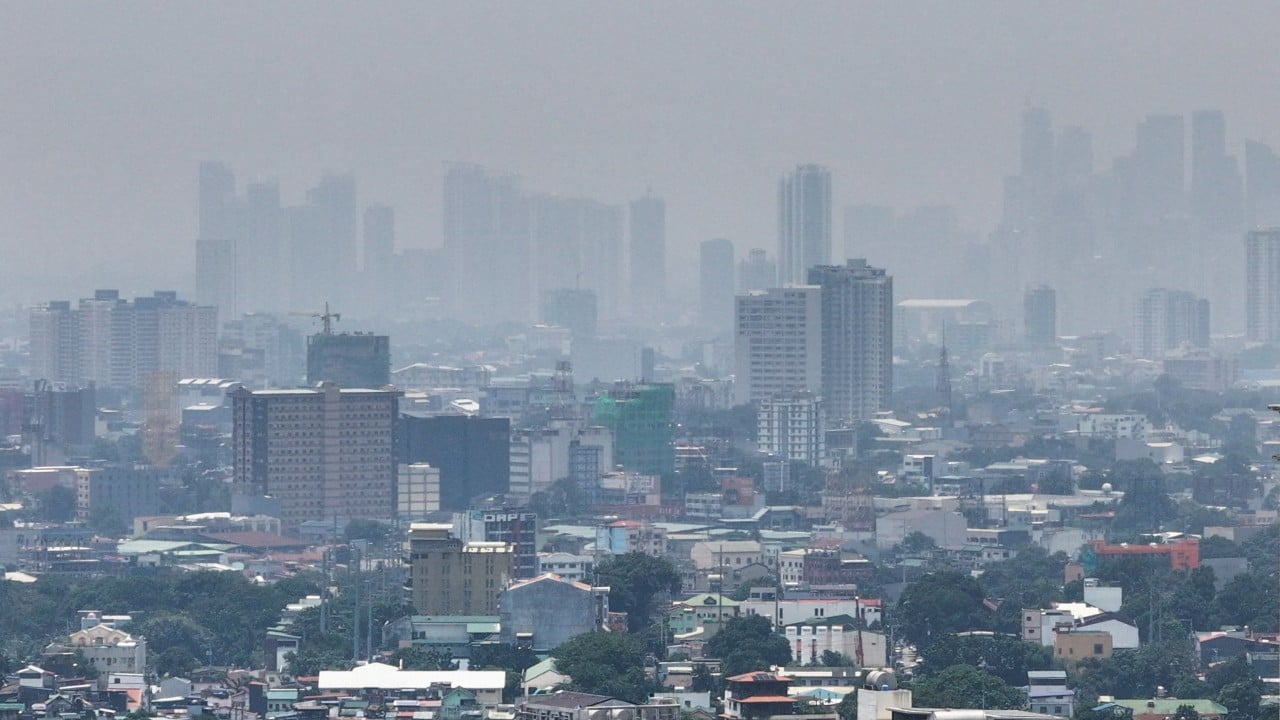
Smoke from wildfires in Indonesia blanketed the Philippine capital on Tuesday, forcing health warnings as air quality in Manila plunged to “acutely unhealthy” levels. The haze traveled nearly 2,000 kilometers (1,242 miles) from Kalimantan, the Indonesian part of Borneo, carried by southwesterly winds.
Health experts urged residents to wear N95 masks outdoors as pollution thickened across parts of Metro Manila. The dense smoke revived concerns over Southeast Asia’s recurring transboundary haze problem, where fires in one country choke cities in another.
Local officials said the air quality index in some areas reached hazardous levels, particularly affecting children, the elderly, and those with respiratory conditions. Authorities advised limiting outdoor activity and keeping windows closed.
The haze event is the latest in a pattern that has plagued the region for decades, driven largely by land-clearing fires in Indonesia. While no flight cancellations were immediately reported, visibility in parts of the capital was reduced, and monitoring stations recorded sharp spikes in fine particulate matter.
Experts said the situation could persist until wind patterns shift or rains arrive, warning that prolonged exposure to the haze poses serious health risks. The Philippine government has not yet issued a formal state of emergency, but officials said they are closely tracking air quality data.