Title: Energy Crisis Returns: September Brings Steepest Bills Since 2022
Part of composite article US and Iran Trade Strikes Again: Oil Hits $90 a Barrel View full article →
**Article:**
Spain is facing its toughest September for household finances since 2022, as the ongoing conflict involving Iran, the United States, and Israel drives up energy prices. Millions of families are returning to work and school after the summer holidays to find inflation at its highest level in over three years and mortgage rates climbing.
The consumer price index (CPI) jumped to 4.3% in August, the highest rate for that month since 2022. This is the sharpest increase since February 2023, driven mainly by the rising cost of fuel. The conflict, now six months old, has disrupted global supply chains and pushed up prices for goods such as fertilizers, creating conditions that experts warn could lead to a global food crisis.
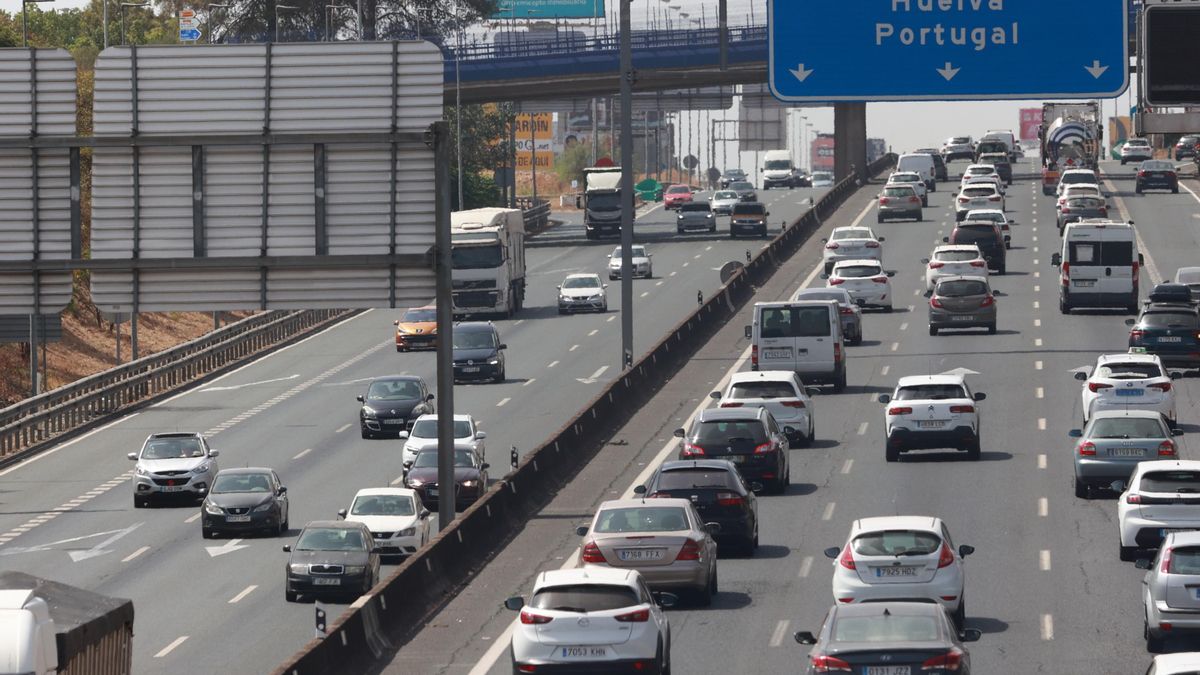
Fuel prices have been rising for eight consecutive weeks. Since June, diesel has gone up by nearly 24% and petrol by 19.8%, according to EU data. This weekend, as millions of Spaniards take to the roads for the summer return, fuel is at its most expensive since March. The government has already reinstated a tax rebate on diesel, raising it to 20 cents per liter, to help ease the burden.
The impact is also being felt in the electricity market. Gas prices, which are used to generate power, have pushed wholesale electricity costs to around 120 euros per megawatt-hour (MWh) this August. That is a significant jump from 68.45 euros per MWh a year ago. For consumers on the regulated tariff (PVPC), the final bill for August is expected to be over 20% higher than last year.
Homeowners are also facing higher costs. The Euribor, the index to which most variable-rate mortgages are linked, has risen to around 2.95%, its highest level since September 2024. Financial experts estimate that a typical variable mortgage of 150,000 euros over 25 years could see monthly payments increase by about 68 euros after the annual review.
The European Central Bank (ECB) is widely expected to raise its key interest rate by 0.25 percentage points in September, which would put it at 2.5%. This would make mortgages even more expensive at a time when access to housing is already a major challenge for many families.
While Spain has been partially shielded from the worst of the gas price spikes thanks to its renewable energy capacity, this summer’s heatwaves and lower wind output have made the country more dependent on expensive gas for electricity. Analysts note that without the solar and wind farms installed since 2020, the situation would be even worse.
The conflict has also proven highly profitable for major oil companies. Six of Europe’s largest energy firms more than doubled their profits in the second quarter, with the top eight global companies earning over 80 billion euros in just three months. Spain, which has no domestic oil or gas production, has paid an extra 8.8 billion euros for fossil fuel imports since the conflict began, making it one of the ten most affected countries in the world.