China’s Brain-Tech Push: 100 Firms to Adopt New Standards in Challenge to Neuralink
China is moving to dominate the next frontier of computing. The government has released draft guidelines to create a national standard for brain-computer interface (BCI) technology, a field where Chinese startups are now directly challenging Elon Musk’s Neuralink.
The Ministry of Industry and Information Technology (MIIT) published the plan this week. Under the proposed rules, Beijing aims to write or revise more than 40 technical standards by 2028. The goal is to get at least 100 domestic companies to adopt these standards, speeding up the path from laboratory research to commercial products.
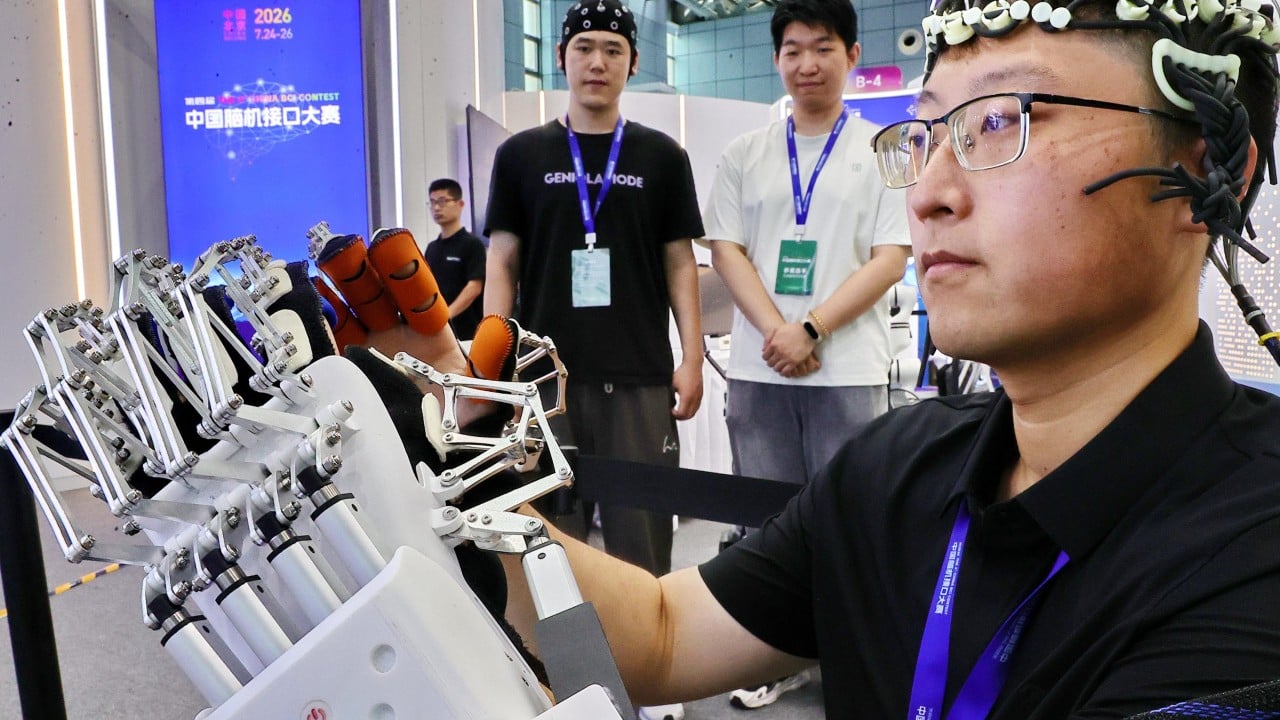
BCI technology allows a person’s brain signals to control a computer or device. It has potential uses in medicine, such as helping paralyzed patients move prosthetics, and in consumer gadgets like smart glasses or gaming headsets.
China’s move is a clear signal that it wants to set the global rules for this technology, rather than follow those set by the United States. Neuralink, funded by Musk, has already received approval to test its brain implant in humans. Chinese firms, however, are advancing quickly, and the new standards could give them a unified framework to scale production faster.
The MIIT has not set a final date for approval, but the draft suggests the first batch of standards could be ready within two years. The push is part of a broader national strategy to lead in emerging tech fields, from artificial intelligence to quantum computing.
For now, the race is not just about who builds the best chip or electrode. It is about who sets the rules that everyone else will follow. With this latest step, China is making a clear play for that role.