Atlantic Bluefin Tuna at Risk Again? Report Warns Fish Farms Threaten Species Survival
A new report from animal welfare organization Compassion in World Farming (CIWF) warns that industrial fish farms could push wild Atlantic bluefin tuna back to the brink of extinction. The study, published August 25 and led by Dr. Elena Lara, CIWF’s senior research and policy advisor, raises alarm over the rapid growth of so-called "macrogranjas" — large-scale tuna farms where wild populations are captured and confined.
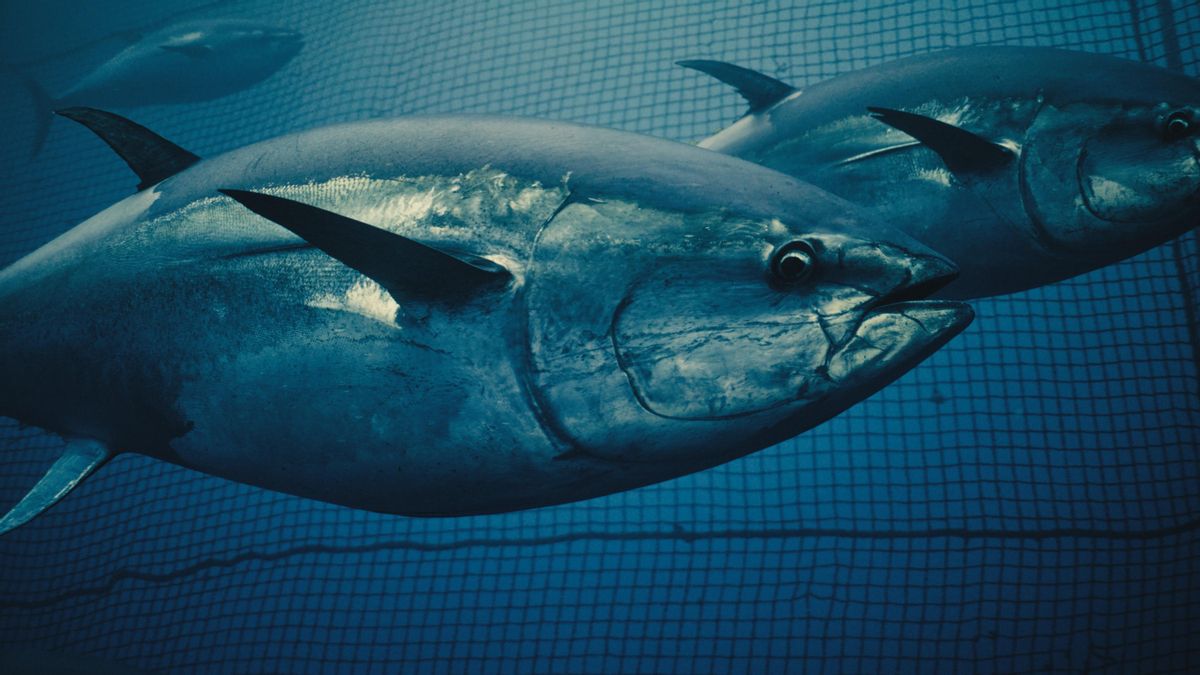
According to CIWF, the industry has exploded from 13 authorized farms in 2006 to 123 by 2026. These facilities capture wild tuna alive during their breeding season, then confine them in nets and artificially feed them to increase weight. The organization says this practice puts heavy pressure on wild populations and causes exceptional suffering, as tuna must swim continuously to breathe.
“Intensive tuna farming is not a distant or abstract problem. It is happening in our own waters and off our own coasts,” said Cristina Rodrigo Ruiz, CIWF’s global campaigns lead. “The industry is growing at a dizzying pace.”
The report also highlights that one farmed tuna, producing just 200 kilograms of meat, can consume up to 3,000 kilograms of wild-caught forage fish — the equivalent of 33,000 sardines or 166,000 anchovies. This, CIWF says, makes the industry unsustainable and harms marine biodiversity.
Bluefin tuna was classified as “Endangered” by the International Union for Conservation of Nature (IUCN) in 2011. Though the species has been recovering, CIWF notes that in 2024, catches of wild Atlantic bluefin tuna were 29% higher than in 2008, just before the endangered listing. The situation is especially worrying in the Mediterranean, where regional populations have not been assessed by the IUCN in 17 years.
“We cannot afford to repeat the mistakes of the past,” said Dr. Lara. “Governments must act now to end tuna farming and commit to keeping tuna in the wild.”
As part of its campaign, CIWF staged a peaceful protest outside a Mediterranean tuna farm, displaying a banner reading “END TUNA FARMING.” During a permitted visit, members documented visible injuries on the fish, including eroded skin, damaged fins, and missing eyes. They also observed fish swimming continuously in circles — evidence, they say, that these wild animals are unfit for captivity.
CIWF is calling for an immediate international moratorium on new tuna farms and expansion of existing ones. It also urges governments to update conservation assessments and increase transparency and animal welfare oversight.
“Individual buying decisions cannot solve systemic problems,” Rodrigo Ruiz said. “We ask citizens to sign our petition and demand urgent government action. Consumers have a powerful voice, but real change requires governments to act — not just leave responsibility to individuals in the supermarket.”