Half a billion herders hold the key to surviving a hotter, drier world.
Part of composite article Half a Billion Herders Hold the Key to Surviving a Hotter, Drier World View full article →
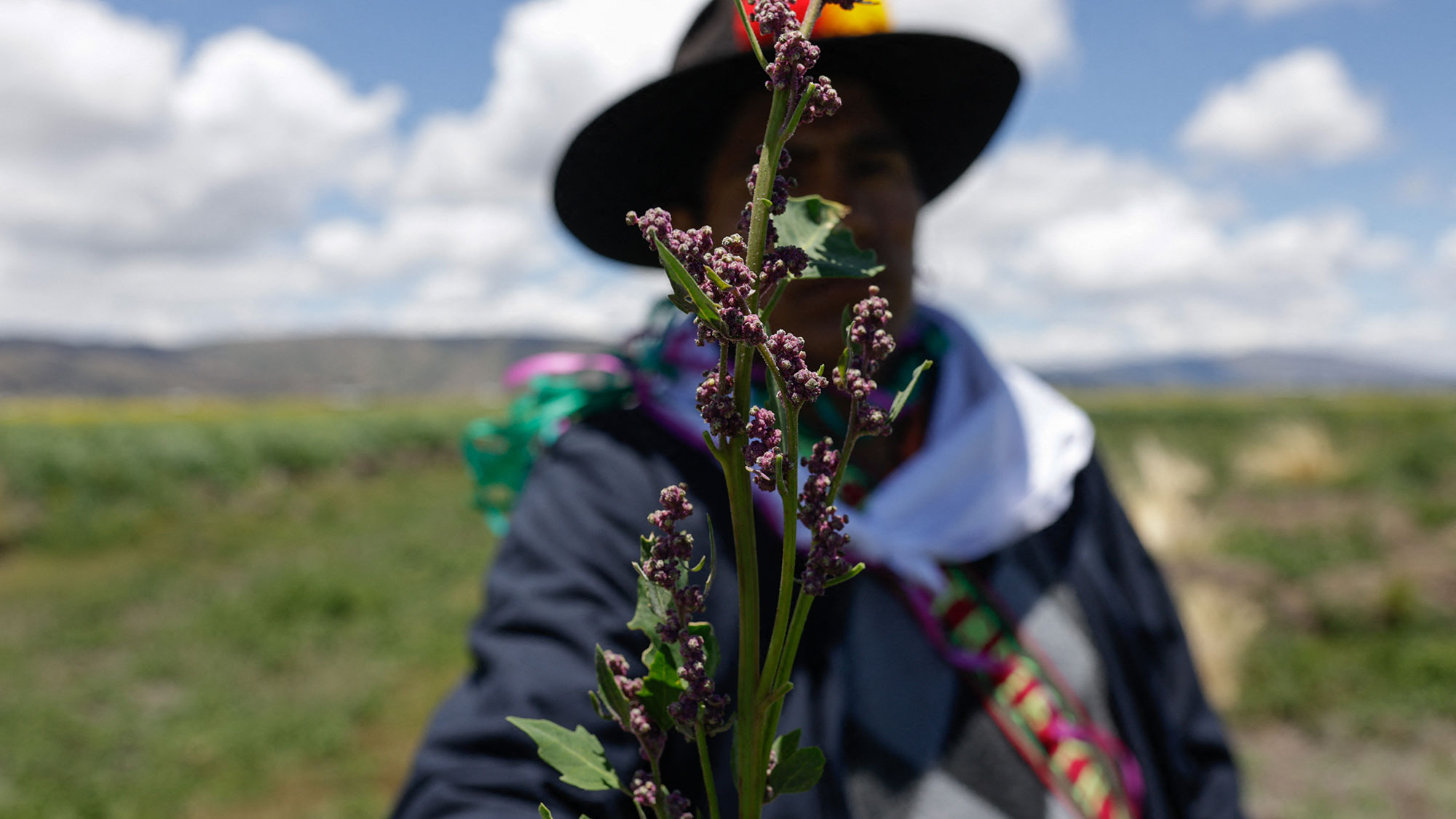
More than 500 million pastoralists—people who raise livestock on open rangelands—are using knowledge passed down through generations to thrive where others cannot. They say the world should pay attention to their methods as climate change brings harsher droughts and rising temperatures.
Pastoralists move their animals across vast grasslands, following rainfall and seasonal patterns. This practice, called mobile grazing, keeps the land healthy and prevents overgrazing. It has worked for centuries in places where farming is impossible.
Now, these herders argue that their way of life offers a practical model for adapting to a changing climate. Instead of fighting the land with heavy machinery and constant irrigation, they work with natural cycles. Their approach uses less water, produces food without fossil fuels, and maintains biodiversity.
Experts warn that modern agriculture—which relies on steady rain and stable seasons—is becoming riskier as weather turns more extreme. Pastoralism, by contrast, is built for uncertainty. Herders expect drought and plan for it. They store fodder, keep diverse herds, and shift routes based on early signs of change.
Protecting pastoralism is not just about preserving a tradition. It is a survival strategy. As the planet warms, the lessons of these 500 million people could help the rest of humanity prepare for what is coming. The world does not need to become pastoralist, but it does need to listen.