South Korea’s ‘stock frenzy’ ends in trauma as Kospi crashes 30%
Part of composite article South Korea’s $2.5 Trillion Crash Wipes Out AI Bets as Leveraged Funds Backfire View full article →
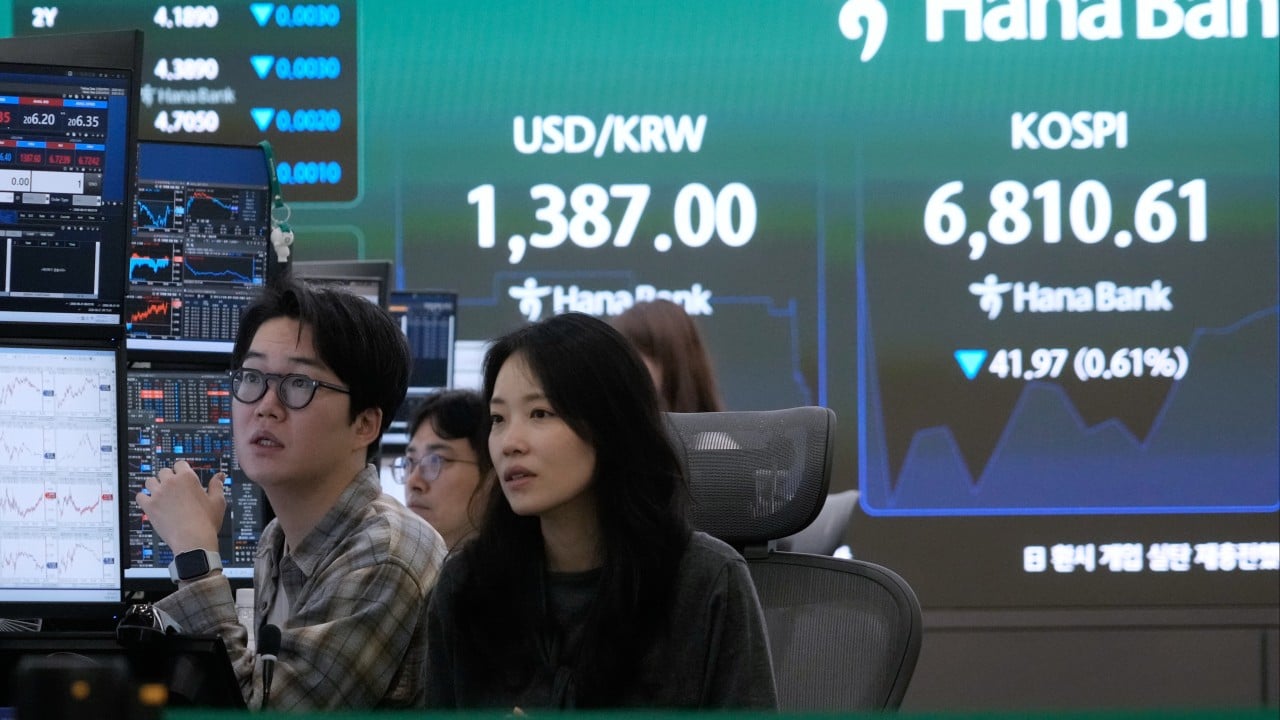
A bold push to make South Korea’s stock market reflect its economic strength has backfired, leaving retail investors with heavy losses and shaking confidence in President Lee Jae Myung’s government.
The Kospi benchmark index has fallen 30% from its June 19 peak. The sharp decline has exposed an economic system that encouraged ordinary citizens to pour money into complex, leveraged products they often did not understand.
The plan was meant to remove regulatory taboos and promote risk-taking. Instead, it created what analysts describe as an investor trauma that could take years to heal.
The political fallout is immediate. The crash has weakened Lee’s administration and raised urgent questions about how such products were sold to the public.
Many South Koreans, described by local media as “intoxicated by stocks,” borrowed heavily to join the market frenzy. Now, they face losing their savings—and in some cases, their homes.
The full impact of the crash is still unfolding, but the damage to trust in the country’s financial system is already deep.