Trump’s Iran Trap: The Strait of Hormuz Standoff
Part of composite article Iran Vows to Close Strait of Hormuz for Good Unless US Ends War — Threatens to Attack Oil Routes of US Allies View full article →
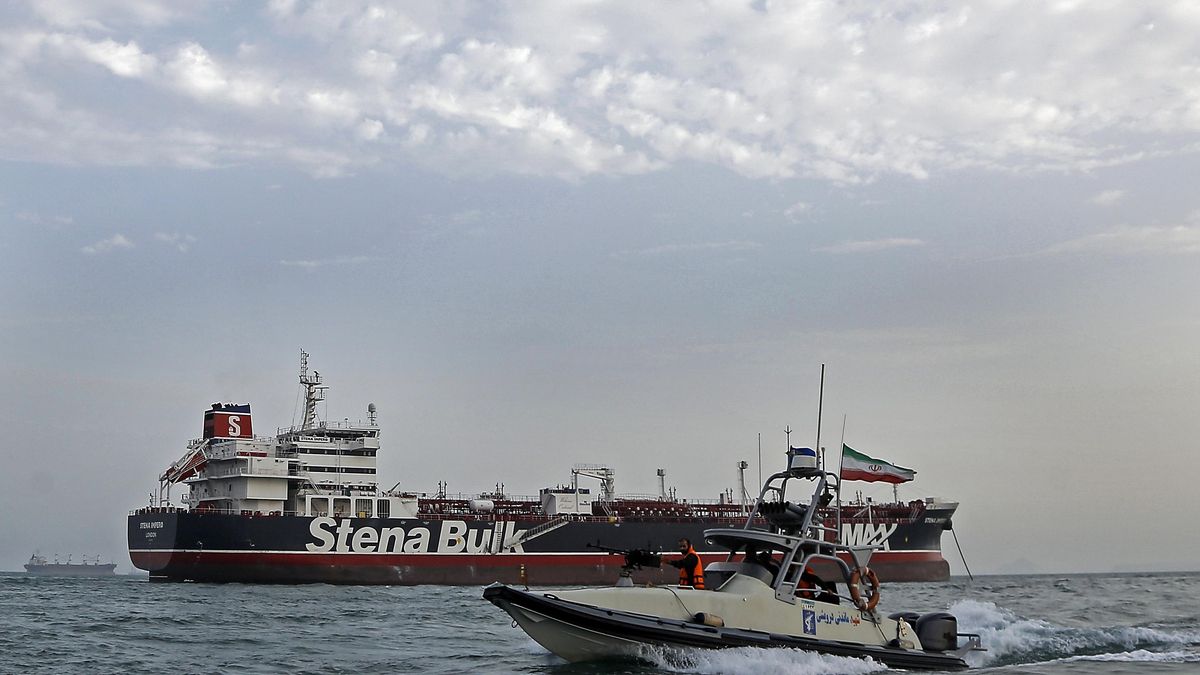
The 60-day deadline set by the US-Iran Memorandum of Understanding (MOU), signed on June 17, expired on Monday. The agreement was meant to negotiate an end to the war launched by the US and Israel against Iran. However, negotiations never began, as neither side has fully honored the terms of the document.
The truce lasted only 24 hours. The day after the signing, Israel attacked Lebanon, violating a key clause of the MOU that called for an immediate and permanent halt to military operations on all fronts. In response, Iran suspended talks and halted its own implementation of the deal. By late June, Iranian drones struck a Singaporean ship, and the US resumed bombing Iran, which answered with missile and drone attacks on American positions.
The conflict has since centered on the Strait of Hormuz, a vital waterway for global oil and gas shipments. The MOU’s main goal was to keep the strait open. But the text was deliberately ambiguous. Washington interprets it as allowing free passage for all commercial ships. Tehran says it retains control of the strait during the negotiation period and can attack any vessel that crosses without its permission.
On July 7, the truce collapsed entirely. Iran attacked three ships near the Omani side of the strait. The US bombed 80 targets inside Iran, reimposed oil sanctions, and reinstated a naval blockade at the strait’s exit. Mutual attacks resumed, with a brief pause in early August that quickly failed.
Trump stated on Tuesday that no new talks are planned, claiming the US controls the strait and that it remains open. But the numbers tell a different story. Only six ships passed that day, down from a pre-war average of nearly 150. One vessel was hit by an Iranian missile, killing a crew member. The US may control the exit, but Iran controls the strait itself. Very few ships are willing to risk passage without Iranian approval, and those that try without it are attacked.
The economic consequences are severe. Before the war, the region exported about 18 million barrels of oil per day. That number has dropped to roughly nine million, creating a global deficit of at least 10% of daily consumption. Asian countries, led by China, are hit hardest, but the resulting price increases affect everyone. Transport costs rise, inflation climbs, and interest rates follow.
Natural gas is in even worse shape. There are no alternative pipelines, and all liquefied natural gas (LNG) from the Gulf, mainly from Qatar, must pass through the strait. The region also produces key minerals, plastics, chemicals, and 30% of the world’s nitrogen fertilizers. A shortage of these goods will hit global manufacturing and agriculture within months, threatening food supplies in poorer nations.
Before the February 28 attack, none of these problems existed. The strait was open, and trade flowed normally. The 2015 nuclear deal, signed by the US, Russia, Germany, France, the UK, and the EU, had limited and monitored Iran’s nuclear program. In 2018, Trump withdrew from that deal and reimposed sanctions, under pressure from Israeli Prime Minister Netanyahu.
Now, there is no clear exit. Iran has learned that closing the strait is a powerful weapon and will not give up that leverage. The cost of maintaining a blockade is low for Iran; it can operate from its own territory. For the US, the naval deployment is expensive and exhausting, with growing concerns about crew welfare.
Trump is running out of options. He expected a quick victory but has been trapped in a prolonged conflict. A ground invasion is not feasible, and Congress would not approve it. He has shifted to economic warfare, hoping to starve Iran into submission. Some countries, like the UAE, have cut ties with Tehran, but Iran is resilient and has alternatives, including land routes and support from China.
The most likely outcome is that Trump will eventually back down, using a flimsy excuse to justify a retreat. Iran has said it only demands full compliance with the MOU to reopen the strait and begin nuclear talks. But Trump, facing political pressure at home, may prefer continued conflict over admitting defeat.
This situation could last months, or it could change suddenly. But the damage is already done. Thousands have died in a war that should never have started. The international community’s passive acceptance of this aggression sets a dangerous precedent, one where might makes right and accountability is absent.