Title: Spain's "Critical Vulnerability": Heat Deaths, Mega-Fires, and Drought Converge in a Climate Emergency
Part of composite article Europe's Drying Crisis: 4,200 Dead in Spain, Sweden's Rivers Vanish as Drought Grips the Continent View full article →
**Article:**
Spain is facing a triple climate emergency this summer. A combination of extreme heat, devastating wildfires, and severe drought is exposing what researchers call the country's "critical vulnerability" to climate change. The impact is measured in thousands of deaths, hundreds of thousands of burned hectares, and entire towns running out of water.
The summer of 2026 has been the hottest on record. June was the third hottest ever, followed by the hottest July in history. This two-month period broke previous records set in 2022 and 2025. In 35 of Spain's provinces, this is the worst year for heat on record. The country has already experienced four heatwaves, including one in late June that the state weather agency AEMET called "historic."
This extreme heat has a direct and deadly cost. According to the MoMo mortality monitoring system, more than 4,200 deaths this summer are attributable to high temperatures. "Extreme heat is one of the most important climate-related health threats in Spain," states the *Lancet Countdown* report, "with disproportionate impacts on the elderly, infants, outdoor workers, and other vulnerable groups."
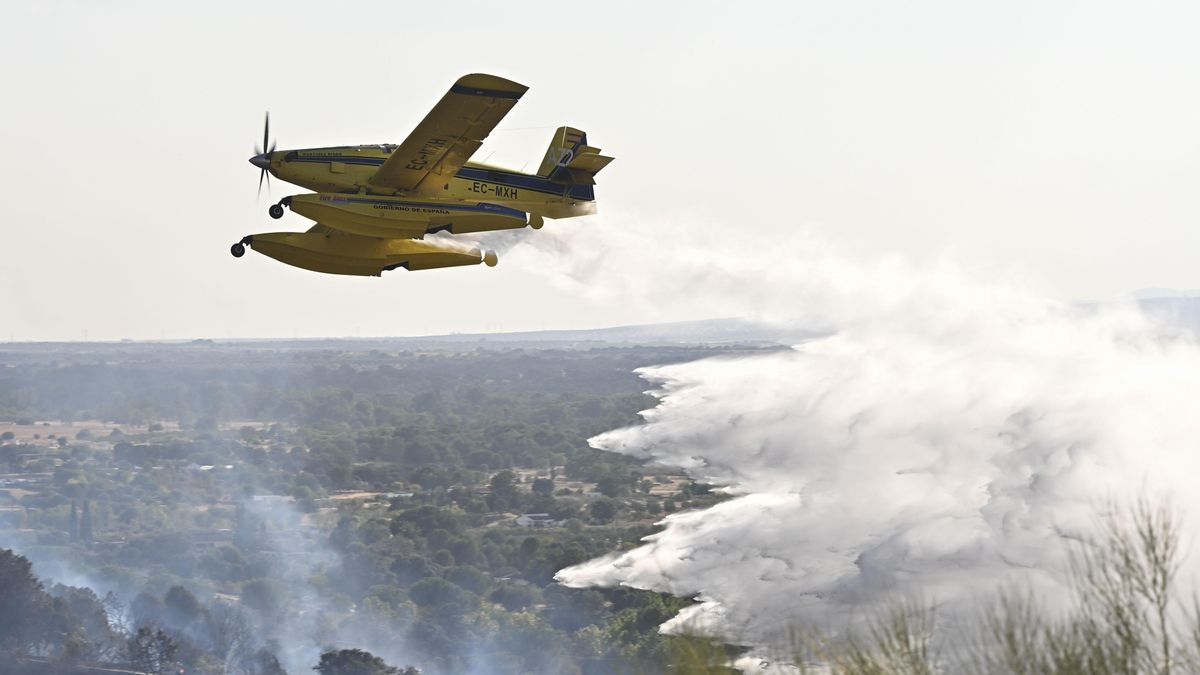
The heat and lack of water have fueled a catastrophic wildfire season. By mid-August, fires had burned 250,000 hectares, according to the Ministry for Ecological Transition. The European EFFIS system puts the figure even higher, at 290,000 hectares. This is the second consecutive year that the burned area has exceeded a quarter of a million hectares.
This summer has also seen the most destructive wildfire in Spain's history. The fire in Burgohondo (Ávila), which merged with a blaze in the western Sierra of Madrid, destroyed around 50,000 hectares. It broke the previous record set just last year in Larouco (Ourense). The situation has become so serious that the government declared a national emergency for the second time ever—the first was for a total blackout in April 2025. Over 90,000 people have been evacuated or confined due to fire danger.
A new study from the University of Oviedo, which reviewed 75 years of disaster data, confirms the trend. It finds a "very marked increase in the frequency of disasters in the last twenty years," particularly climate-related ones. The researchers state that Spain is a climate change hotspot with "superior vulnerability" in terms of "severity of impact, attributable mortality, and population exposure to natural risks." The study concludes that Spain "is in a position of critical vulnerability within the European context."
The third part of this crisis is drought. While the south has long been dry, this year the problem has spread to the traditionally wet north. In Galicia, three out of four municipalities are on alert or pre-alert for water shortages. Dozens of towns in Asturias, La Rioja, and Castilla y León are now relying on water trucks for supply. Even in Mallorca, water reserves have fallen to 39%, leading to a new regional system for trucking in water. Farmers in Cantabria, the Basque Country, and Navarre are asking for help because pastures have not grown for their livestock.
Experts say this is not random bad luck. "It is not divine punishment or a streak of bad weather," said Julio Barea, head of the water program at Greenpeace. "It is the inevitable result of managing water under the false premise that it is infinite." He argues that a "false sense of abundance" persists, based on assumptions that predate climate change. "Drought is not managed by cutting beach showers in August," Barea added, "but with correct demand management when reservoirs still have water."
The convergence of heat, fire, and drought paints a clear picture. Scientists have warned for decades; this summer’s data shows that the future they predicted has arrived.