Hong Kong’s Big Bet: Why a Planned Economy Is Suddenly Not a Dirty Word
For decades, the phrase “planned economy” has been a political swear word in the West. Critics have long assumed it means stagnation, inefficiency, and the death of innovation. But as China’s economy continues to grow, and as much of the Western world faces inflation, supply-chain breakdowns, and market chaos, that old assumption is looking shaky.
Nowhere is this shift more visible than in Hong Kong. For the first time in its modern history, the city is embracing long-term economic planning. The move has drawn sharp criticism from those who say Hong Kong is falling into a “Chinese-style error.” But is it really an error? Or is it a survival strategy?
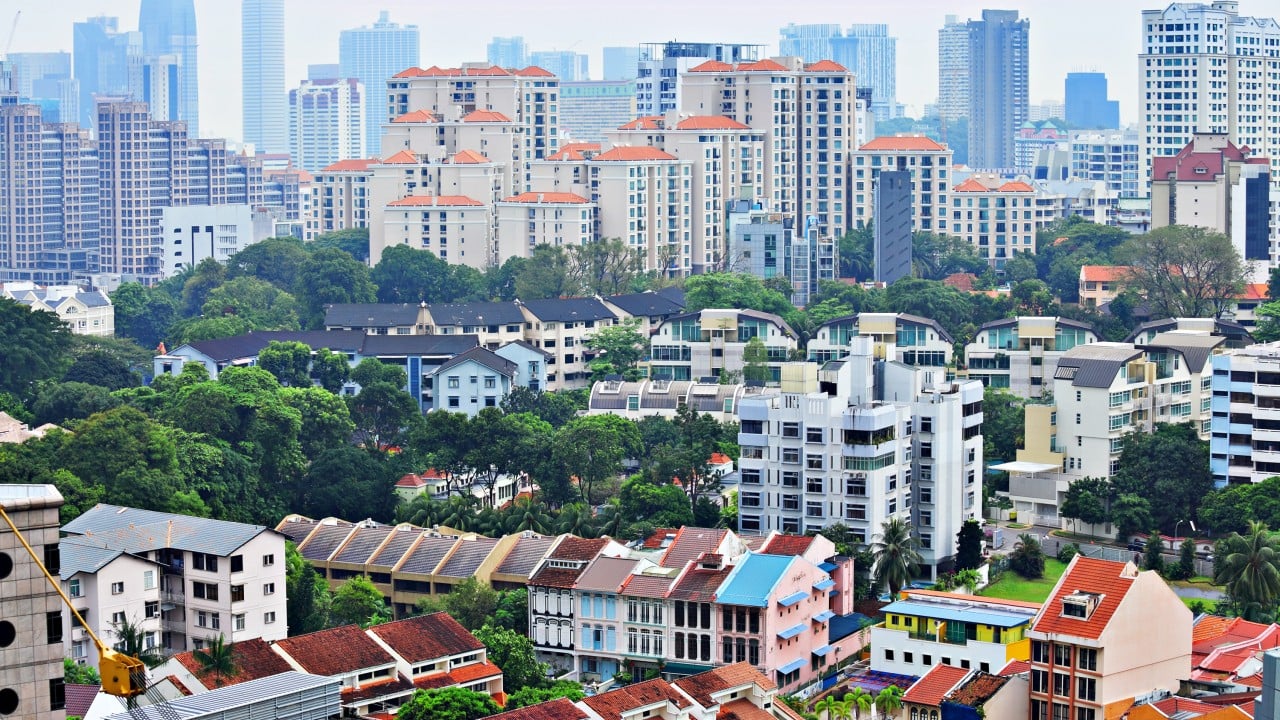
To answer that, look no further than Singapore. Having spent 50 years in Asia, I have watched Singapore operate as what I consider a planned economy. The government sets clear industrial policy, directs investment, and builds infrastructure ahead of demand. The result? One of the most stable, prosperous, and resilient economies on Earth.
Hong Kong is now taking a page from that playbook. Critics call it a betrayal of free-market principles. But in a world where markets have failed to deliver stability, the real question is not whether planning is ideologically pure. The question is whether it works. And the evidence from Singapore suggests it does.