393 Aid Workers Killed in Gaza: UNRWA Demands Action on World Humanitarian Day
Part of composite article West Bank on Fire: UN Warns of “Critical Point” as Settler Attacks Displace 107 Communities, Killing 2 in a Day View full article →
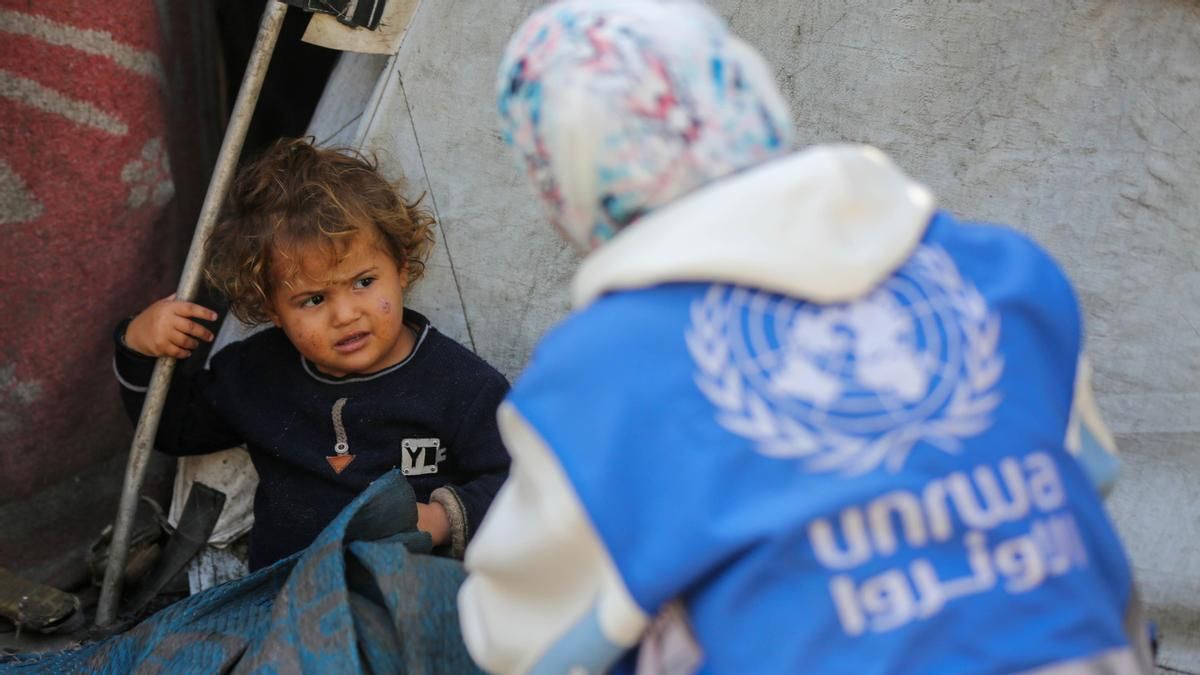
As the world marks World Humanitarian Day on August 19, the United Nations Relief and Works Agency (UNRWA) is issuing a stark warning: humanitarian aid is under attack, and those who deliver it are being killed.
The agency reports that 393 of its aid workers have been killed in Gaza since October 2023. Behind each number is a person—a teacher, a doctor, a nurse, a psychologist, an engineer, or a driver. These are not outsiders who arrive to help and then leave. They are Palestinians who live in the communities they serve. Many have lost family members or their homes, yet they continue to work.
International Humanitarian Law is clear: civilians and humanitarian workers must be protected. This is not an aspiration; it is a legal obligation. But protection alone is not enough. Aid workers must also be allowed to do their jobs.
In Gaza, restrictions on aid entry, border closures, and limits on movement are crippling the humanitarian response. The consequences are concrete. A blocked supply means a health center cannot operate. A lack of fuel leaves thousands without water. A vehicle that cannot move stops a team from reaching a community. Without access, there is no aid.
This crisis extends beyond Gaza. In the West Bank, including East Jerusalem, military operations, demolitions, and settler attacks are displacing people and blocking access to essential services. In Lebanon, Palestinian refugees continue to need assistance amid regional instability.
UNRWA has been present in these areas for over seven decades, providing essential services. The needs do not disappear when a border closes or when fuel runs low. Children still need education. Women still need prenatal care. Babies need vaccines. The chronically ill need medicine. Families need water, shelter, and protection.
Adding to the violence and access restrictions is a lack of funding. When resources vanish, the impact is not just on paper. It means fewer medical visits, less water, less psychological support, and fewer safe spaces for learning.
This World Humanitarian Day must be more than a tribute. It must be a call to action. The international community must protect civilians and aid workers, respect international law, allow safe and sustained aid delivery, and ensure adequate funding. When attacks on aid workers go uninvestigated and unpunished, impunity creates the conditions for more violence.
Protecting those who sustain life is not just about aid workers. It is about protecting millions of people who depend on essential services. It is about defending the rules designed to preserve dignity and life in the most extreme circumstances.
On August 19—and every day—protecting those who care for others is protecting our shared humanity.