Iran and Oman Agree on Safe Shipping Route Through Strait of Hormuz
Part of composite article Iran-Oman Deal Near as 60-Day US Peace Deadline Collapses View full article →
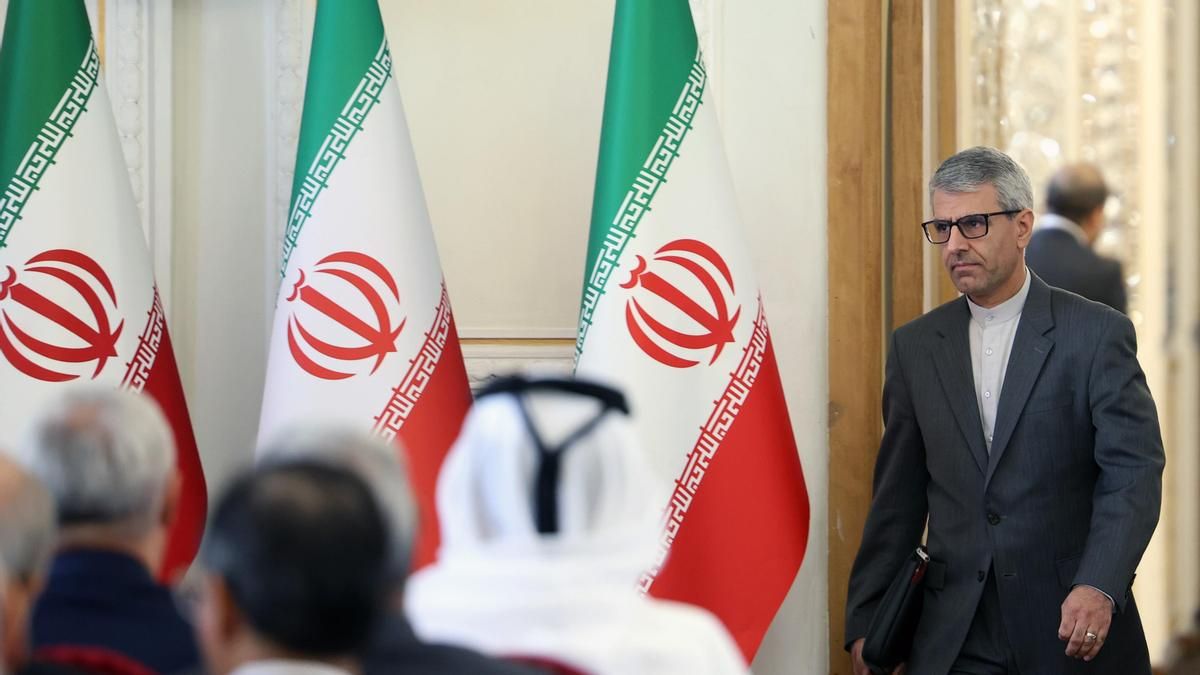
Iran announced on Saturday that it has reached an agreement with Oman on a safe navigation route through the strategic Strait of Hormuz, though talks continue on remaining issues before a joint statement is issued.
“The conversations have made positive progress over the last three weeks, and an agreement has been reached on the map of the navigation route,” said Ismail Bagaei, spokesperson for Iran’s Foreign Ministry, in an interview with the Iranian defense news agency Defa Press.
Bagaei did not provide details on the agreed route but said the two countries are still working to finalize outstanding matters, including the wording of a joint declaration. He said the public will be informed once the process is complete.
The spokesperson stressed that the understanding between Tehran and Muscat is an independent bilateral agreement aimed at ensuring safe transit for ships through the strait. He added that negotiations have advanced despite what he called “obstructions” from the United States.
However, Bagaei reiterated that full normalization of commercial traffic through the strait will depend on an end to U.S. “illegal actions, interference, threats, and naval blockade,” as well as the repair of violations related to a memorandum of understanding signed between Tehran and Washington in June.
The route agreement is part of broader talks between Iran and Oman, both littoral states of the strait, which began three months ago. Before the war between Iran, the United States, and Israel began on February 28, about 20% of global oil passed through the waterway.
Iran announced a new closure of the Strait of Hormuz in mid-July, following fresh U.S. bombings in southern Iran. Tehran responded by attacking U.S. targets in Middle Eastern countries, while Washington reinstated its naval blockade against Iran.
Iran has demanded that the United States end the war, lift the blockade on its ports and ships, and allow it to sell oil on international markets in exchange for reopening the strait.