Spain Bolsters Ceuta and Melilla Security as Migrants Plan New Border Crossing
Part of composite article 111 Arrested in New Ceuta Border Rush After Social Media Call View full article →
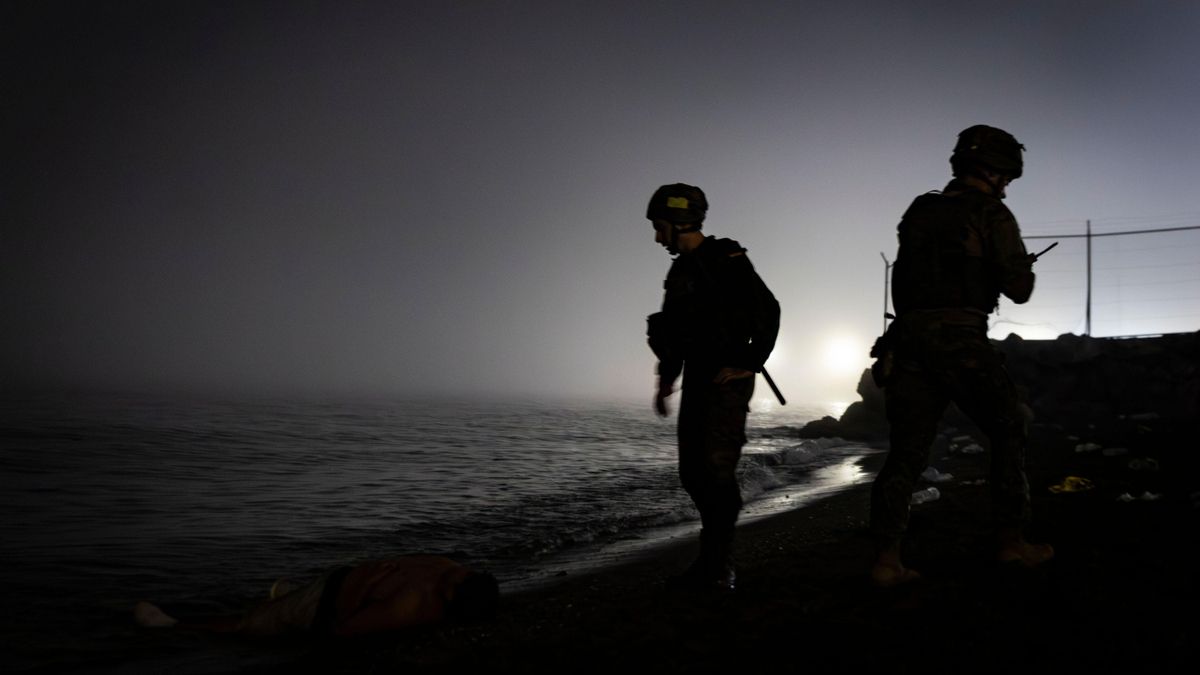
The Spanish government has ordered an extraordinary reinforcement of police, Civil Guard, and military forces in Ceuta and Melilla following social media calls for a mass border crossing on August 15. Authorities intercepted explicit messages urging people to enter the Spanish enclaves, but Madrid says it trusts Morocco to prevent another crisis like the one on July 30, which left 140 people dead.
Spanish intelligence services detected the new calls early. One Facebook post read: "Brothers, at sunset and dawn on the 15th, everyone enters." In response, the government has activated the Army to support police in securing coastal and land perimeters. Additional maritime and aerial controls are now in place, and more officers have been deployed.
Despite the heightened alert, officials in Madrid say they believe the situation is under control. They credit Moroccan security forces, which have set up a strong police presence in the town of Castillejos, near the border. Traffic restrictions and increased security checks are in effect there. Morocco's Interior Ministry says it has taken "all necessary measures" and has confirmed the arrest of several people suspected of organizing the crossings.
The Spanish government is deliberately avoiding a diplomatic clash with Morocco. Officials argue that maintaining good relations is the best way to ensure Morocco cooperates on border control. "We are in permanent contact with Morocco, and both governments are on alert," a government source said. "The element of surprise no longer exists."
Foreign Minister José Manuel Albares visited Ceuta this week with a direct warning to potential migrants. "Do not risk your lives, your future, or your money in an adventure doomed to fail. Those who enter Ceuta and Melilla will be returned," he said. Defense Minister Margarita Robles also sent a clear message to Morocco: "This cannot happen again."
In Ceuta, the Army is now helping police contain the border. In Melilla, authorities have temporarily closed some border crossings and deployed temporary maritime barriers. Riot police units and aerial surveillance have also been strengthened. On the Moroccan side, police checkpoints have been set up on roads leading to Nador, another border town, to stop vehicles carrying potential migrants.
Interior Minister Fernando Grande-Marlaska praised Morocco's cooperation. "Relations with Morocco are absolutely close and based on loyalty," he said. "Cooperation and coordination with Morocco in this area has always been exceptional."
More than two weeks after the July 30 incident, thousands of migrants remain stranded in Ceuta. They lack access to basic supplies such as water and food, and many have no place to sleep or wash. The situation is especially difficult for unaccompanied minors, who are overwhelming local services.
The government is now working to register these minors and review each case individually. The goal is to return most of them to their families in Morocco. However, international law and Spanish child protection rules require that children be treated as minors first, not as migrants. This means Spain has a legal obligation to care for them.
Those who stay in Spain will be placed into the national system for unaccompanied migrant minors, which is managed by regional governments. This is likely to cause political friction. This week, representatives from the far-right party Vox, which holds regional responsibilities for child welfare in some areas, skipped a technical meeting organized by the Ministry of Children's Affairs. The meeting was meant to approve an extra €25 million for Ceuta.
A formal conference is scheduled for the end of the month, where the minister will ask regional governments to accept minors from Ceuta. The city, still recovering from the arrival of around 80,000 people, continues to plead for help from all Spanish administrations.