California’s New Weapon Against Rising Seas: The Horizontal Levee
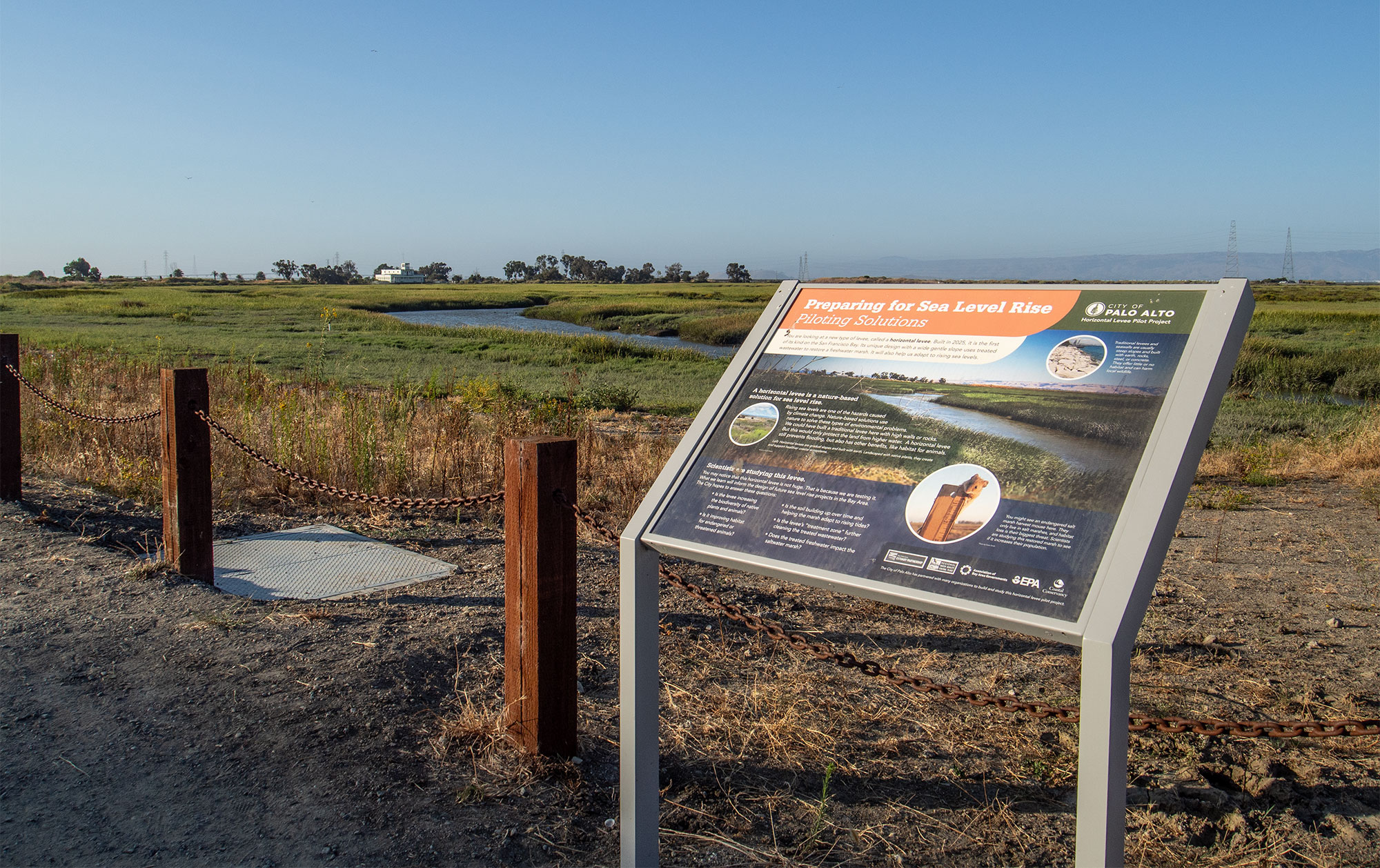
Traditional levees stand as rigid walls against water, but a new design is turning that idea on its head. In Northern California, engineers and ecologists are testing "horizontal levees"—sloped, living embankments that combine flood protection with wetland restoration.
Unlike vertical barriers, a horizontal levee gently rises from the waterline, stretching inland over a wide area of soil, native plants, and marshland. This design serves two purposes at once. First, it absorbs storm surges and sea-level rise by giving water room to spread and slow down. Second, it filters pollutants from runoff and provides critical habitat for fish, birds, and other wildlife.
The concept is gaining traction as coastal cities face a choice: build higher walls or work with nature. Early projects show that these levees can hold back floodwaters while also rebuilding ecosystems that have been lost to development.
Experts caution that horizontal levees are not a replacement for all existing flood defenses. They require more land than traditional walls, which makes them difficult to deploy in dense urban areas. However, for suburbs, farmland, and parklands, they offer a dual-benefit solution that hard infrastructure cannot match.
As sea levels continue to rise, the question is no longer just how to keep water out, but how to live alongside it. Northern California’s experiment suggests that the answer may lie in giving the shoreline more room to breathe.