South Africa’s 1956 Women’s March: Why the Fight Isn’t Over
Part of composite article South Africa Marks 70 Years Since Women’s March—But the Fight for Safety and Equality Is Far From Over View full article →
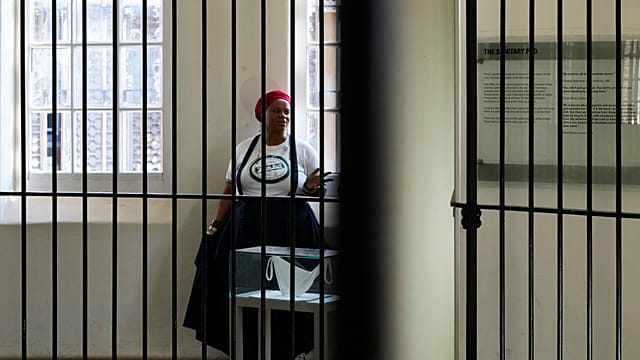
South African women will gather on Sunday to mark the anniversary of the historic 1956 Women’s March. But for many, the celebration comes with a clear warning: the struggle for true freedom is not yet complete.
The original march took place on August 9, 1956, when more than 20,000 women protested against apartheid-era pass laws. Those laws required Black South Africans to carry internal passports, restricting their movement and freedom.
That day, the women delivered petitions to the government in Pretoria and stood silent for 30 minutes. Their action became a turning point in the anti-apartheid movement and is now a national holiday in South Africa.
Organizers of this year’s commemoration say the event honors that legacy. But they stress that the goals of equality and safety remain unfinished. Many point to ongoing issues such as gender-based violence, economic inequality, and limited access to education and healthcare for women.
Sunday’s events will include speeches, marches, and moments of reflection. Participants say they are not only remembering history—they are continuing it.