Sudan’s Ancient Pyramids at Risk as Civil War Rages
Part of composite article Sudan’s Forgotten Crisis: Over 500 Flee to Spain as 9 Million Displaced and 30 Million Need Aid View full article →
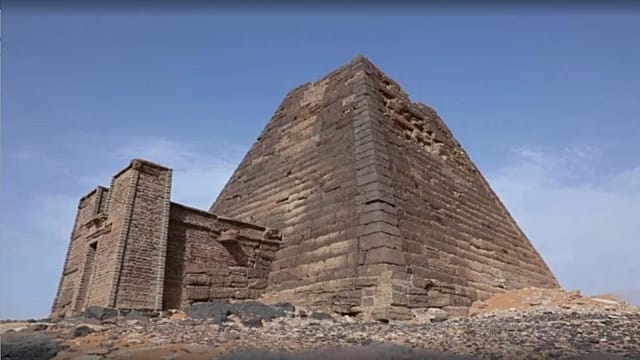
The ancient pyramids of Meroë, a UNESCO World Heritage site in Sudan, are under threat from the country’s ongoing civil war. More than 200 pyramids, built over 2,000 years ago as royal tombs for the rulers of the Kingdom of Kush, stand in the desert north of the capital, Khartoum.
The conflict has brought fighting close to the site. Experts warn that the pyramids, which are made of fragile sandstone, could be damaged by shelling, looting, or neglect. Unlike Egypt’s more famous pyramids, these structures are smaller and less fortified, making them more vulnerable to destruction.
The Kingdom of Kush was a powerful ancient state that ruled parts of the Nile Valley. Its rulers built the pyramids to honor their dead, and many of the tombs still contain carvings and inscriptions that are vital to understanding early African history.
Local guards and heritage workers have been forced to flee the area due to the violence. With no one to protect the site, there are growing fears that armed groups or looters may dig into the tombs, stealing artifacts that have survived for millennia.
International organizations, including UNESCO, have called for a ceasefire to protect the site. But with the war showing no signs of ending, the future of the pyramids remains uncertain. For now, these ancient monuments—once built to last forever—are left exposed to the chaos around them.