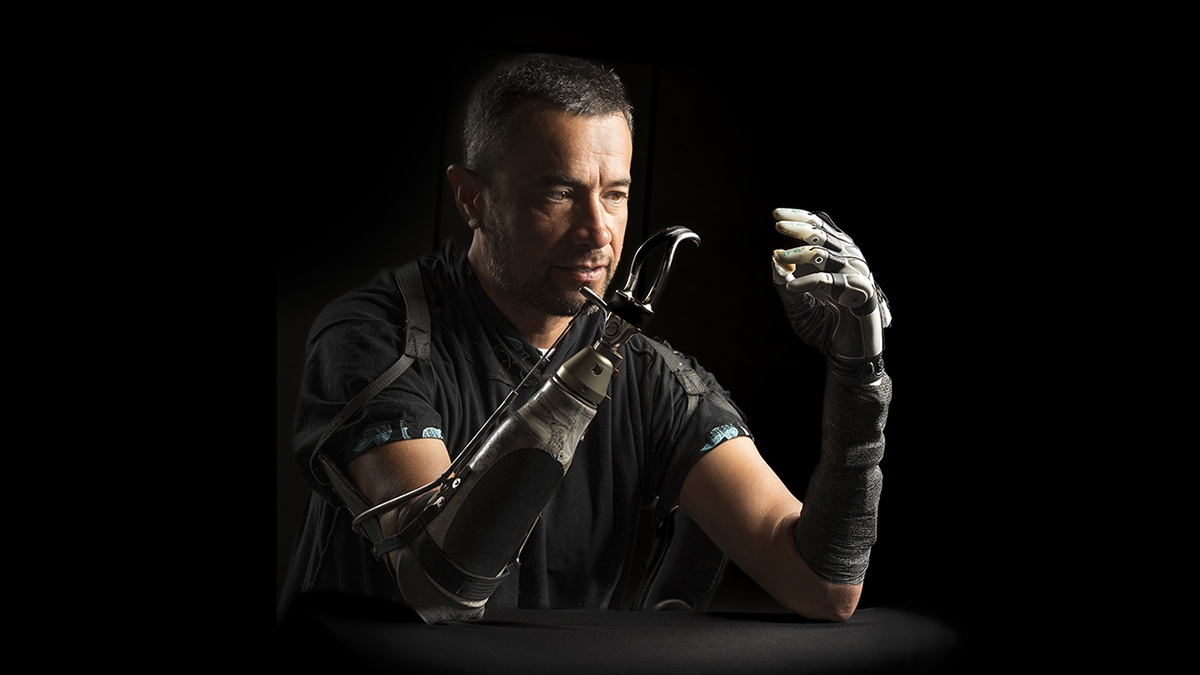
AI Gives Amputees a "Sixth Sense" in Bionic Hands
New research shows that artificial intelligence can help prosthetic hands feel more natural. Scientists are using AI to bridge a common gap between mind and machine.
Many amputees with bionic hands report feeling disconnected. They can control the device, but it does not feel like a real part of their body. This limits usefulness and comfort.
The new approach combines sensors with AI software. Sensors on the prosthetic hand collect data about touch and movement. The AI then translates this data into signals the user's nervous system can understand.
This process creates a feedback loop. It allows the user to "feel" what the bionic hand is doing, without consciously looking at it. This makes actions like grasping an object more intuitive.
Researchers say this technology is a major step forward. The goal is to make prosthetic limbs feel like true extensions of the human body, not just tools.