Saudi Arabia Joins US Strikes on Iran-Backed Militias, Pushing Middle East into 'Uncharted Territory'
The Middle East moved into "uncharted territory" this week after Saudi Arabia joined the United States in publicly attacking Iran-backed forces in Iraq, analysts say. The joint strikes mark a major shift in the regional conflict, making it increasingly unpredictable as more actors get involved.
At least 20 people were killed in Wednesday's attacks on facilities linked to Iraq's Popular Mobilization Forces (PMF), a coalition of mostly Shiite militias with close ties to Iran. It was the first time Riyadh has openly acknowledged participating in a strike during the current US campaign against Tehran and its allies.
The attacks ended a brief pause in direct US bombings of Iran-linked targets. However, Iran's allies in Yemen and Iraq have become more active in the conflict. On Wednesday, Iran launched missiles at US military facilities in Jordan—its first attack in the region that was not a direct response to a US strike since violence resumed over three weeks ago.
Later that night, President Donald Trump ordered new US attacks on Iran, vowing a tough response. Trump also claimed the Iraq strikes were coordinated with the Iraqi government, despite Baghdad's condemnation.
The escalation follows a drone strike on two natural gas tanks at Egypt's Damietta port on the Mediterranean Sea. Egypt confirmed Thursday that a drone of unknown origin caused the fire. A US-owned floating tanker was also reportedly hit by a drone, according to British maritime security firm Ambrey. Egypt had previously stayed out of the conflict.
**Iraq caught in the crossfire**
Iraq's presidency called the airstrikes on the PMF—also known as Al Hashd Al Shaabi—a "flagrant violation of Iraq's sovereignty, directed against its official institutions." The PMF was created in 2014 to fight the Sunni terrorist group Islamic State. Its operations were once overseen by Iranian General Qassem Soleimani, who was killed in a US drone strike in Baghdad in 2020.
Iraqi Prime Minister Ali al Zaidi canceled a planned meeting with Saudi Crown Prince Mohammed bin Salman in Jeddah. Meanwhile, the Iran-backed Iraqi militia Harakat Hizbullah al Nujaba warned that US and Saudi interests would face consequences.
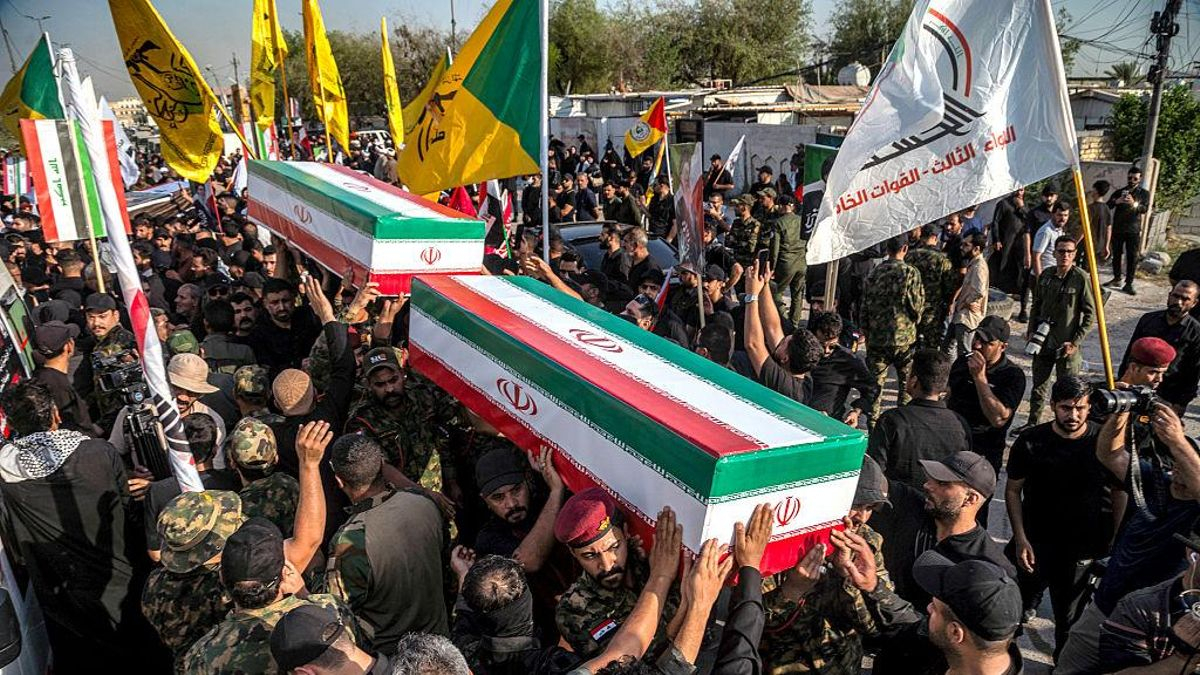
At a funeral in Mosul for PMF fighters killed in the strikes, mourners chanted sectarian slogans and shouted "Death to America."
Iraq has been hit hard by the closure of the Strait of Hormuz, a key route for its oil exports. Baghdad has long tried to balance its relationships between the US, which invaded the country in 2003, and Iran, which supports powerful militias there.
**Iran changes strategy**
Saudi Arabia had reportedly taken part in secret strikes against Iran before, but its open intervention marks a turning point. Iran-backed Houthi rebels in Yemen have also threatened to block Saudi oil shipments through the Bab al Mandeb strait, and have already stopped some tankers.
The leader of the Houthi movement, Abdelmalek al Huti, warned Thursday that Saudi Arabia is preparing a "comprehensive escalation" and said his forces will respond.
Sanam Vakil, director of the Middle East and North Africa program at Chatham House, described the growing chaos: "Everyone is trying to make sense of something that increasingly lacks it." She said Tehran appears to be using its allies to maintain pressure on Washington, since it can no longer credibly deny involvement. Iran's unpredictable tactics seem designed to push Trump "towards confrontation or concession," she added.
H.A. Hellyer, a senior associate fellow at the Royal United Services Institute, said Saudi Arabia wants to show Iran that Gulf states are not an "easy prey." However, he warned that the response to the strikes is impossible to predict. "We are entering uncharted territory, not just because of this year's war context, but also because of the broader issues affecting the region."
He added that Iranian leaders view the conflict as an existential war and are determined to "drastically redefine the rules of the game," even at the risk of overstepping.