Ancient Plants Use "Heat Beacon" to Lure Pollinators
Part of composite article Christmas Lights Return to Syrian Towns in Defiance of War View full article →
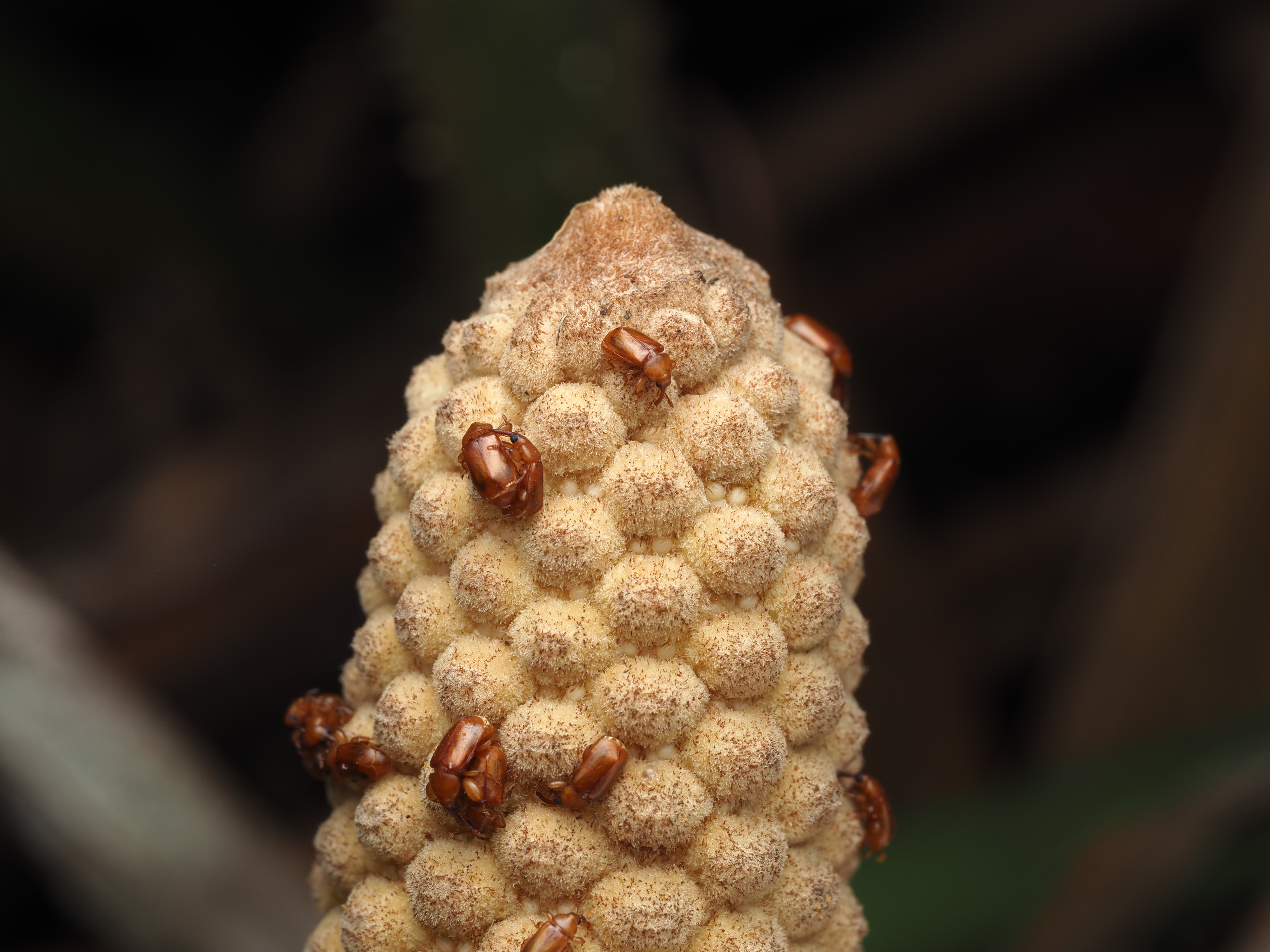
Forget bright petals and sweet scents. Some of the world's oldest plants use a surprising tool to attract insects: heat.
New research reveals that cycads, ancient palm-like plants, produce a thermal signal to draw in pollinators. While modern flowering plants rely on visual colors, these prehistoric species warm their cones significantly. This creates a glow in the infrared spectrum, invisible to humans but detectable by certain insects.
The warm cone acts as a beacon, guiding cold-blooded pollinators to the plant. This heating process, rare in the plant kingdom, is especially useful at night or in dense forests where visual cues are less effective.
Cycads have existed since the time of dinosaurs. Scientists believe this heat-based attraction system represents an ancient pollination strategy, predating the evolution of colorful flowers.