China’s new chip stores data with a single electron, breaking AI memory bottleneck
Part of composite article Brain Waves and Robot Arms: The New Blueprint for Physical AI Is Here View full article →
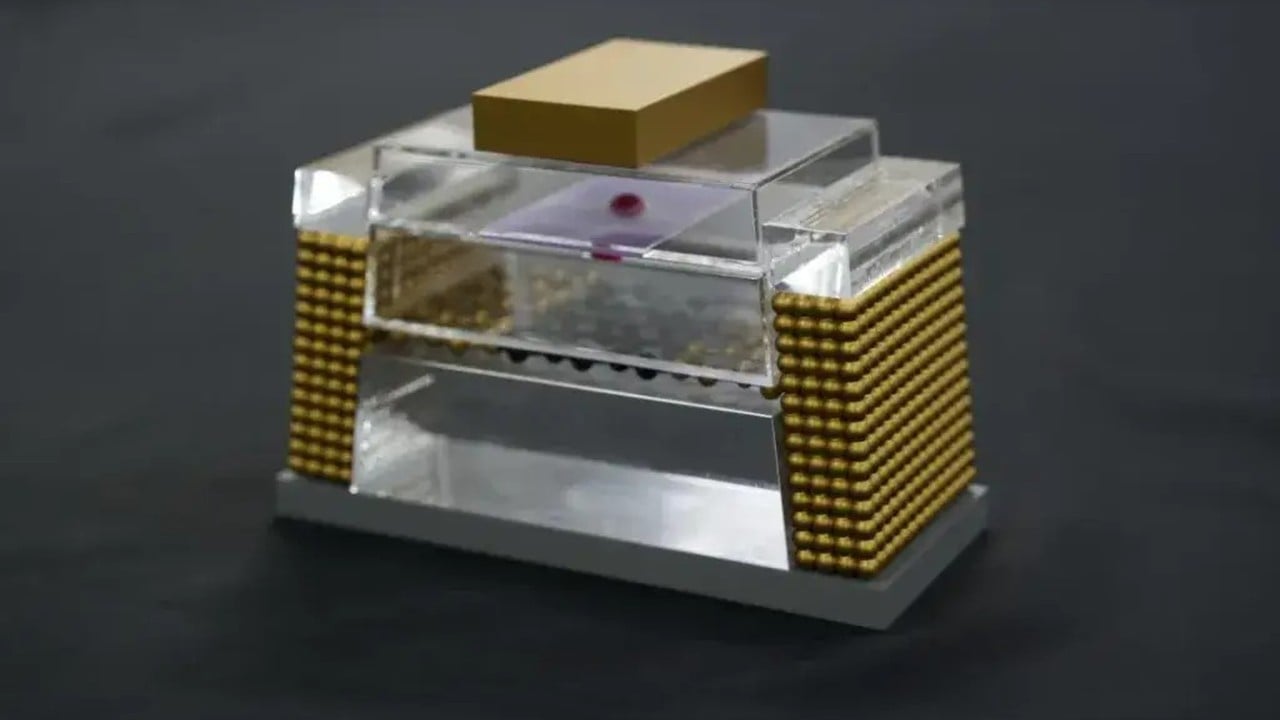
How many electrons does it take to store a single bit of information? For today’s most advanced DRAM chips from Samsung and SK Hynix, the answer is about 200,000. That large number ensures reliability—a big reservoir of charge keeps a “1” or “0” from fading into noise.
But a team at Fudan University in Shanghai has just reduced that number to its theoretical minimum: one. In a paper published in *Science* on July 16, microelectronics professor Zhou Peng and his colleagues announced a new chip that stores data using a single electron.
This breakthrough could break a major bottleneck in AI memory. Current chips require massive energy to move and store data. By using one electron per bit, the new design slashes power use and boosts speed. It also shrinks the physical size of memory cells, allowing more data to fit on a single chip.
The technology is still in the lab. But if scaled, it could transform everything from smartphones to supercomputers. For now, the team is working to make the chip stable enough for mass production.