New Netflix-style series 'La vida Barcelona' sparks fury in gentrified city
Part of composite article Europe’s Housing Crisis: A Few Own Dozens of Homes While Millions Struggle to Pay Rent View full article →
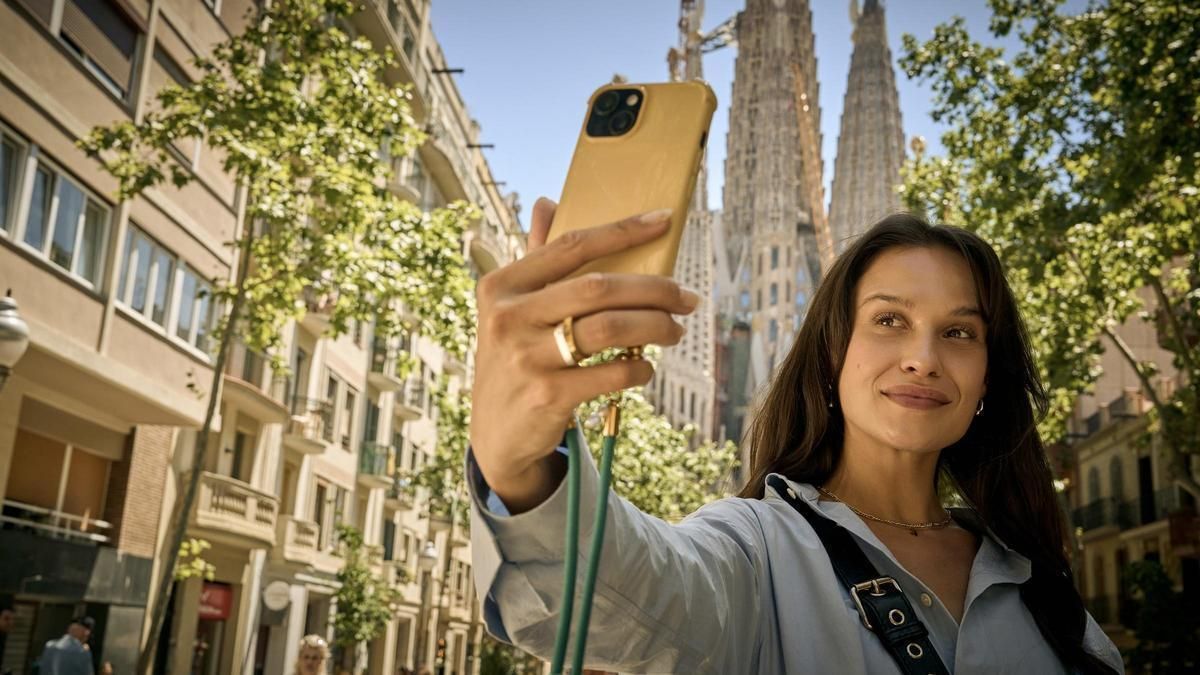
A new Dutch romantic comedy series, *La vida Barcelona*, has ignited a firestorm of criticism in Spain before its first episode has even aired. Activists, journalists, and residents say the show glorifies a tourism-driven model that is pushing locals out of the city.
The series follows a young Dutch woman who moves to Barcelona for a creative job. She falls in love with the city, finds herself, and builds a new life under the Mediterranean sun. The show’s producers call it an optimistic, “vibrant” portrait of Barcelona.
But many residents see it differently. They argue the series promotes a fantasy that ignores the city’s real problems: skyrocketing rents, the loss of traditional shops, and the forced displacement of long-time residents.
“The series is not the problem, it is the symptom,” said Tommy Blanco, an activist who created an Instagram account to protest the show. He says he started the page out of “deep rage” at seeing neighborhoods emptied of real life and filled with tourist apartments.
“This rage comes from seeing how neighborhoods empty of real life to fill up with tourist flats, traditional shops closing, and neighbors having to leave,” Blanco explained. “This series is the drop that confirms a pattern we have been suffering for years.”
The show’s locations include popular spots like El Born, Ciutadella Park, and Montjuïc. Its cast mixes Dutch actors with well-known Spanish names like Greta Fernández and Martiño Rivas.
Critics say the show turns the city into a stage where social tensions disappear. “Barcelona ends up functioning as a set where no conflict exists,” said Carme Arcarazo, a spokesperson for the Barcelona Tenants’ Union. “Everything seems peaceful, as if the arrival of these people has no consequences for those who already live here.”
Journalist and comedian Ana Polo said her reaction to the news was “exhaustion and indignation.” She added: “We feel like we are being pushed out of our neighborhoods, and now we are going to see it romanticized in a series.”
Some critics have also questioned Spanish actors who signed on to the project. While some understand the need to work in a precarious industry, others believe the actors should have considered the social impact.
“Everyone needs to work and pay the bills,” Polo said. “But I would not want my name associated with a production that, in my opinion, could worsen a problem we already suffer.”
The controversy has created an ironic twist. Journalist Noelia Ramírez noted that the show’s initial distribution was limited to a Dutch platform. “With all the boycott and noise generated, the series has gotten enormous publicity,” she said. “Now it is much more likely that an international platform will buy it.”
*La vida Barcelona* is scheduled for release later this year.