“When What Burns is Human Lives”: Spain Wildfire Tragedy Highlights Climate Crisis
Part of composite article 13 Dead, 23 Missing: Spain's Wildfire System "Not Ready" as Power Line Sparks Tragedy View full article →
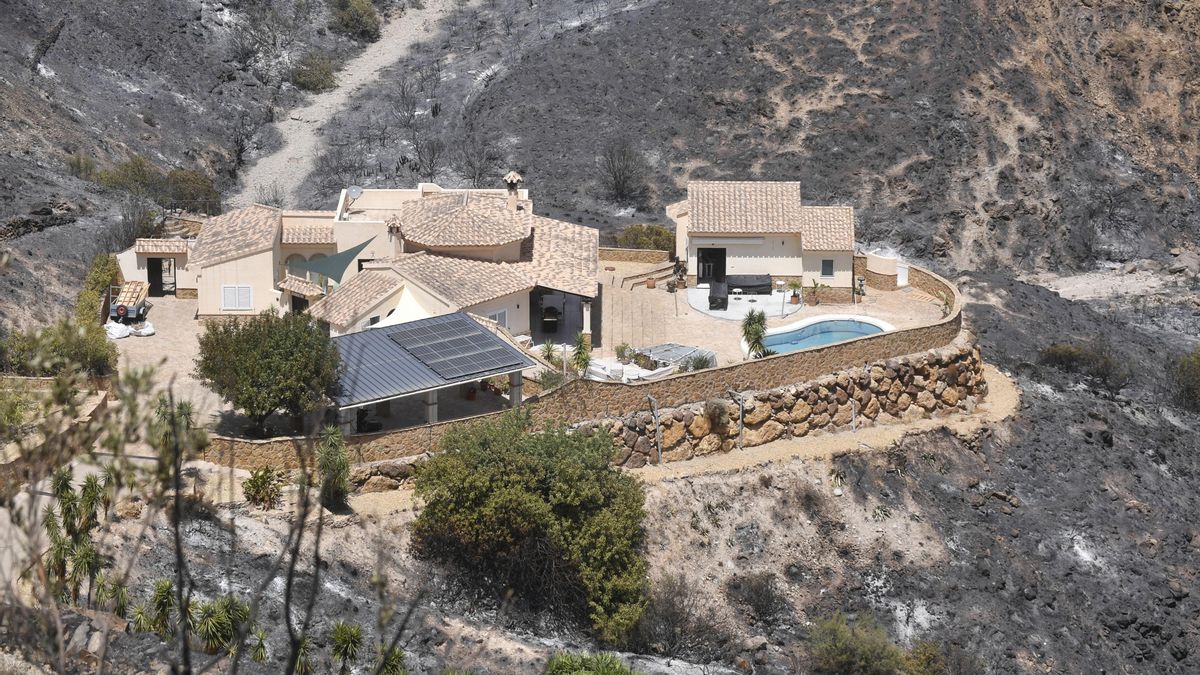
As summer arrives in Spain, a resident living near a national park watches the mountains with a new fear. Every time a wildfire breaks out somewhere in the country, she imagines her own forest in flames. She wonders where the goats, vultures, eagles, and bees would flee.
This fear is not abstract. On Tuesday, a wildfire in Los Gallardos, Almería, killed at least 12 people. Another 23 remain missing. A local firefighter explained the priorities in such disasters: first, human lives; second, property; third, the wildlife and ecosystem.
Scientists warn that wildfires are becoming more intense. The atmosphere and soil are hotter. Nighttime temperatures no longer drop enough to slow the flames. In extreme cases, megafires create their own weather, making them almost impossible to extinguish.
The writer recalls the 2019-2020 Australian bushfires. That fire burned for months, turning days into night in Canberra. It killed 33 people directly, and over 450 more died from smoke inhalation. Images of kangaroos fleeing in terror remain unforgettable.
Climate change is the overwhelming reason for these more dangerous fires. The writer, a Greenpeace member for over 30 years, remembers when global warming was a distant, abstract threat. Now it is a reality.
“We have already arrived at the climate crisis,” she writes. “We can only adapt. But we must review our priorities: after saving human lives, the next most important thing is not property. It is the lives of other animals—the life of the mountain that you cannot hear from the city. We are more like them than we are like buildings. They were here first. Without them, we cannot live on this planet.”