12 dead, 30,000 hectares burned: Spain's wildfire crisis deepens
Part of composite article 13 Dead, 23 Missing: Spain's Wildfire System "Not Ready" as Power Line Sparks Tragedy View full article →
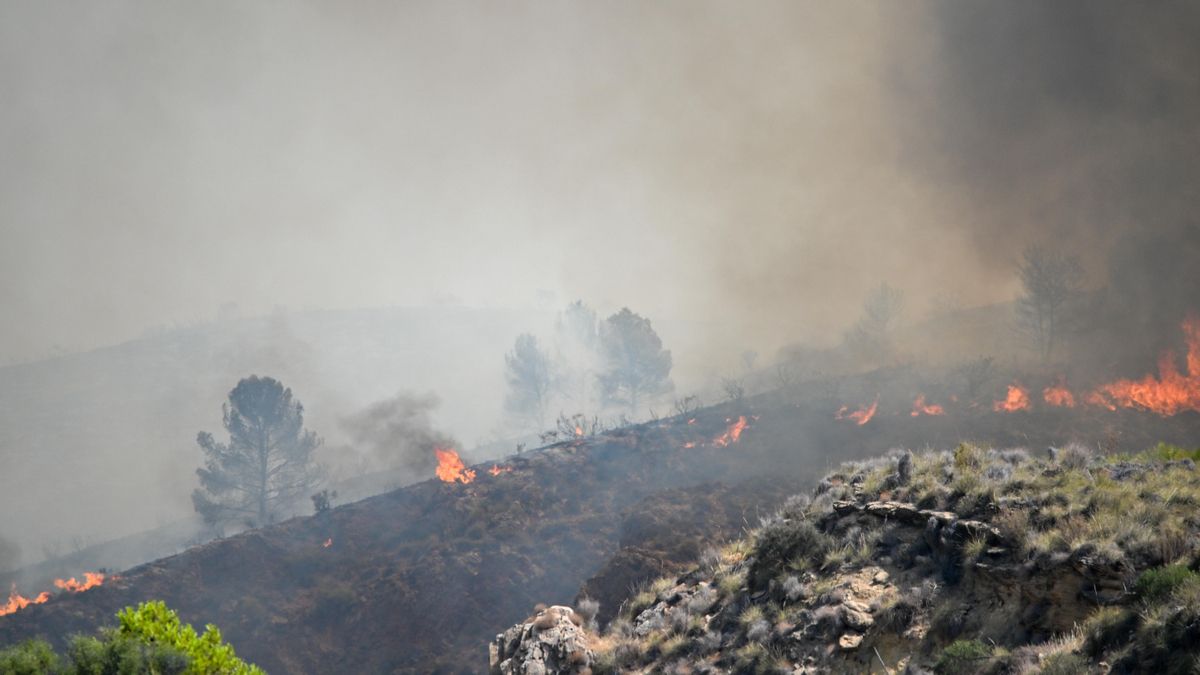
Spain is facing a severe wildfire crisis. Extreme heat has fueled fires across the country, burning more than 30,000 hectares of land. At least 12 people have died, and thousands have been evacuated.
The deadliest fire is in Almería, in the Andalusia region. Twelve people are confirmed dead there, and 23 others are missing. The fire started when a power line fell, igniting dry vegetation.
The situation follows a pattern linked to climate change. A very wet winter caused plants to grow more than usual. Then, a dry and extremely hot spring dried out that vegetation. This created perfect conditions for fast-spreading fires.
Since May, the total burned area in Spain has jumped from 27,000 hectares to about 61,000 hectares. That is more than double the average for the last 20 years. Only the years 2012, 2022, and 2023 had more burned land by this date.
Experts say this is now a crisis of public safety. Monica Parrilla, a fire expert at Greenpeace, said: "We have gotten used to talking about temperature records and extreme fires. But this is a crisis where climate change is key. Fires have gone from an environmental problem to a civil protection problem."
Scientists from the Institute for Climate and Atmospheric Science in Zurich explain the process. Heavy rain creates more plant growth. Then, prolonged heat dries out those plants. This removes moisture and creates fuel for violent fires.
Spain's weather agency, Aemet, has launched a new fire danger index. It now includes information about vegetation and soil moisture, not just weather data.
The spring of 2026 was the second hottest on record. June was extremely hot, with temperatures 3.2°C above normal. Rainfall was only 39% of the usual amount for that month.
More homes are also being built in forest areas. This increases the risk when fires break out. Experts call for better urban planning and public education.
Lourdes Hernandez, a wildfire expert at WWF, said: "It is urgent to improve self-protection so towns become safe zones. We must also invest in social prevention so people know how to act in a fire."
To prevent future disasters, experts say Spain must reduce accidents and negligence that start fires. They also call for planning that takes fire risk into account.