USAID Program for "Neglected" Diseases Ends, Threatening Global Health Gains
Part of composite article Hong Kong Mourns and Rallies After Deadliest Fire in Decades View full article →
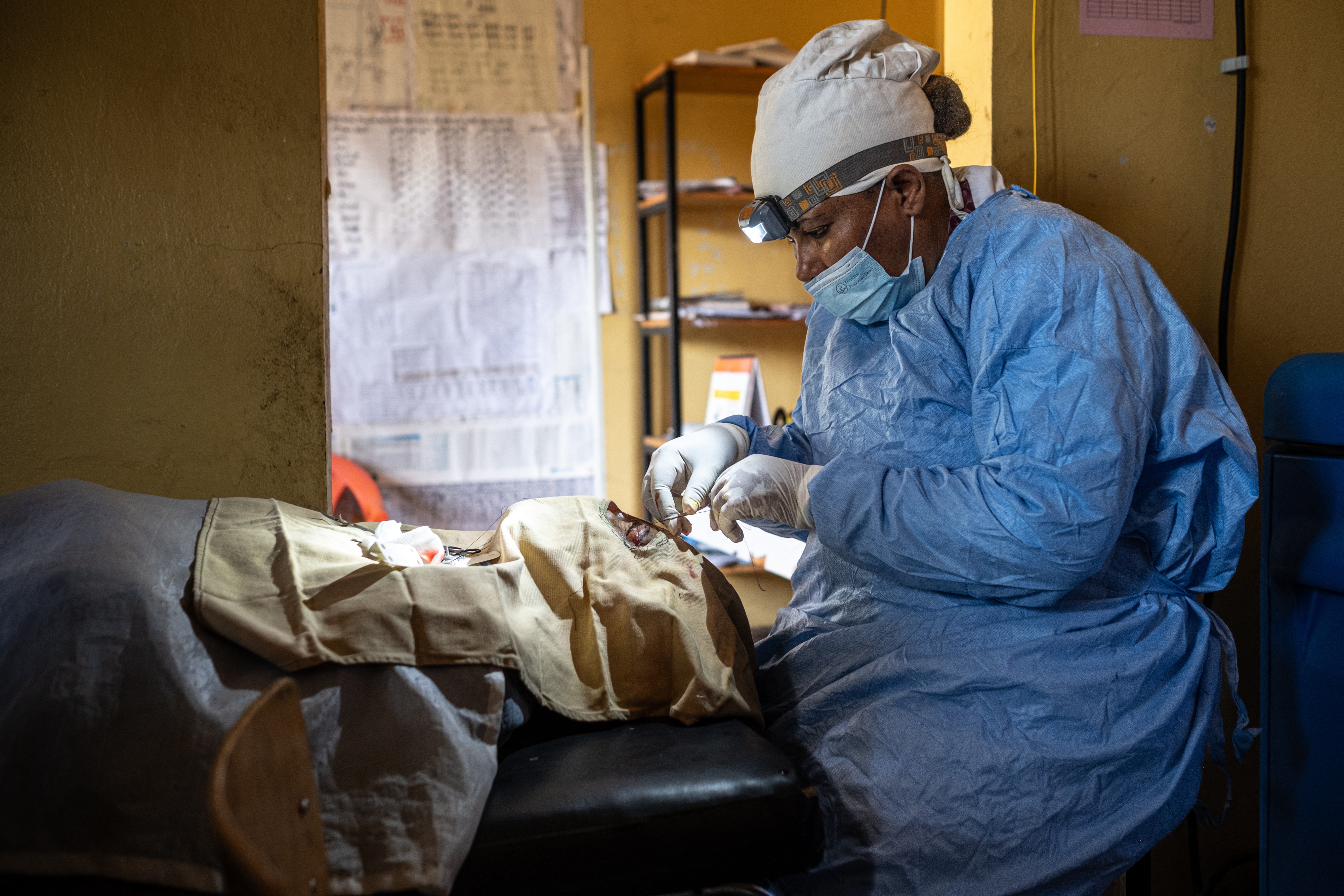
A major U.S. foreign aid program targeting debilitating tropical diseases has ended. Health experts warn this could reverse years of progress.
The program was run by the United States Agency for International Development (USAID). It focused on preventing and treating illnesses like river blindness and intestinal worms. These are often called "neglected tropical diseases" (NTDs). They affect over one billion people globally, primarily in poor communities.
The USAID effort provided medicines, supported surgeries, and improved sanitation. Its work is credited with eliminating some diseases in multiple countries.
Now, with the program discontinued, funding and supplies are in doubt. Health organizations fear infections will rise again. This could lead to more blindness, disability, and poverty in vulnerable populations.
The World Health Organization still aims to eliminate at least one NTD in 100 countries by 2030. However, the loss of the U.S. program is seen as a significant setback to that global fight.