US Strikes Iran After Strait of Hormuz Attacks, Tehran Vows to Fight
Part of composite article US Navy Seizes Oil Tanker Headed for Iran’s Kharg Island as 20% of Global Oil Flow at Risk View full article →
Tensions in the Persian Gulf have exploded again. The United States launched powerful airstrikes against Iran after Tehran attacked commercial ships in the Strait of Hormuz. Iran responded by hitting US bases in Bahrain and Kuwait.
The crisis began after millions of Iranians attended the funeral of Supreme Leader Ali Khamenei, who was killed in earlier US-Israeli strikes. During the funeral, Iran allegedly attacked a Qatari gas tanker and a Saudi oil tanker in the strategic strait. Qatar and Saudi Arabia blamed Iran for the attacks.
The US did not wait. On Tuesday night, Washington announced a series of "powerful attacks" on Iran. The goal was to punish Iran for striking civilian ships in an international waterway. Iran confirmed at least nine soldiers died in strikes on the cities of Bushehr, Bandar Mahshahr, and Bandar Abbas. US officials said the targets included air defense systems, coastal surveillance, missiles, and drone launch platforms.
The Strait of Hormuz is at the heart of the conflict. About 20% of the world's oil passes through this narrow waterway. Iran wants to keep control of it. Since April, Iran's Revolutionary Guard has demanded that ships use a specific route near Iranian coasts. Ships must ask for permission to pass. Some ships try to avoid this by sailing through Omani waters, but they risk being attacked.
Ellie Geranmayeh, a Middle East expert at the European Council on Foreign Relations, explained that Iran sees the strait as its "weapon of mass disruption." Tehran does not want to give up this power before reaching a bigger deal with the US for economic help. She said the US strikes were both a response and a warning to stop future attacks.
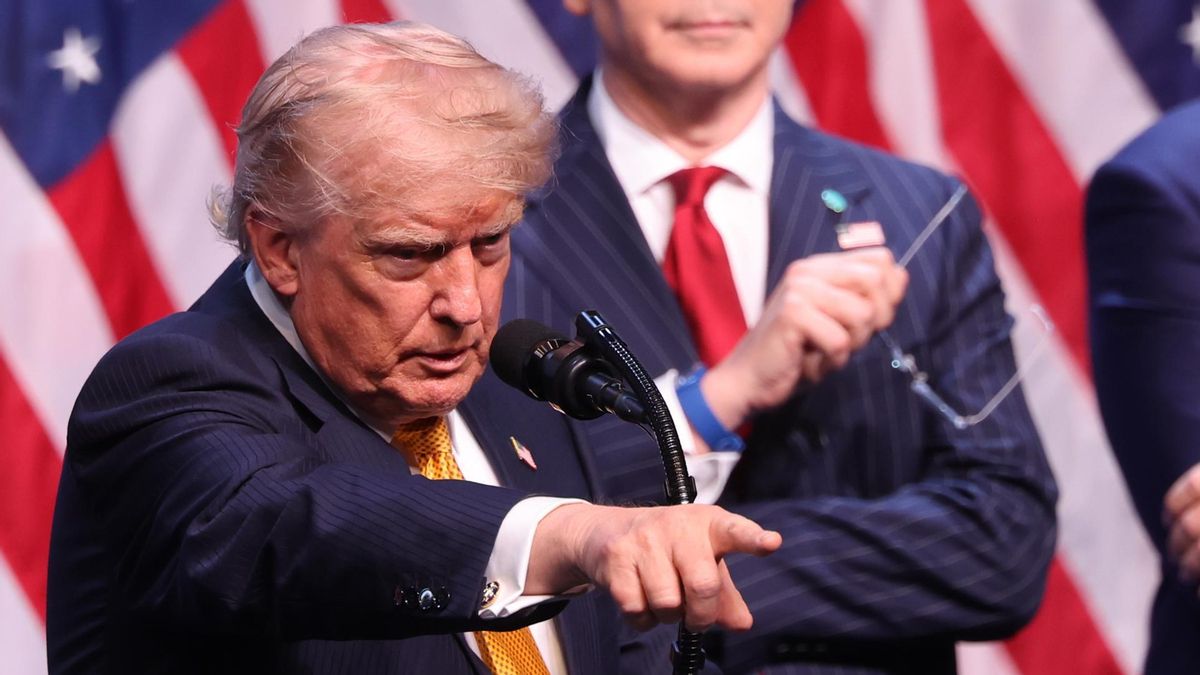
President Donald Trump, speaking at a NATO summit in Turkey, said the agreement with Iran is "over." He called Iranian leaders "sick people" and "garbage." But he also confused everyone by saying talks might continue. The two countries had signed a memorandum of understanding on June 18 and had 60 days to reach a final deal. Talks paused for Khamenei's funeral and were supposed to restart after his burial on Thursday.
Trump explained he gave Iran a break for the funeral. "We told them to do the funeral, and instead they start firing rockets at ships. So we hit them hard last night, very hard," he said. He also threatened new strikes and said the US could take Iran's main oil terminal on Kharg Island.
Iran responded to the US bombings with dozens of attacks on US bases in the Gulf. Iranian media said they targeted the US Fifth Fleet base in Bahrain and the Ali Al Salem air base in Kuwait. Kuwait condemned the "repetition of Iran's criminal aggression."
Sina Toossi, a senior analyst at the Center for International Policy, said Iran's main pressure tool is control of the Strait of Hormuz. "Tehran is determined not to give up this influence. They want to maximize it through greater operational control of the strait," he said.
On Wednesday, Iran threatened to close the strait completely. A security source told Press TV: "Iran is ready to fight for control of Hormuz. After any attack, the strait will be totally closed. Iran will also hit enemy targets at least double the number we hit before."
Trump said he does not want a full war with Iran. He claimed "everything will end very quickly" and will make things safer for oil. But his intentions are unclear. Meanwhile, the US Central Command said more than 20 US warships are patrolling the region's waters.