Iran Divided: Millions Mourn Leader, But What Does It Mean for the Regime?
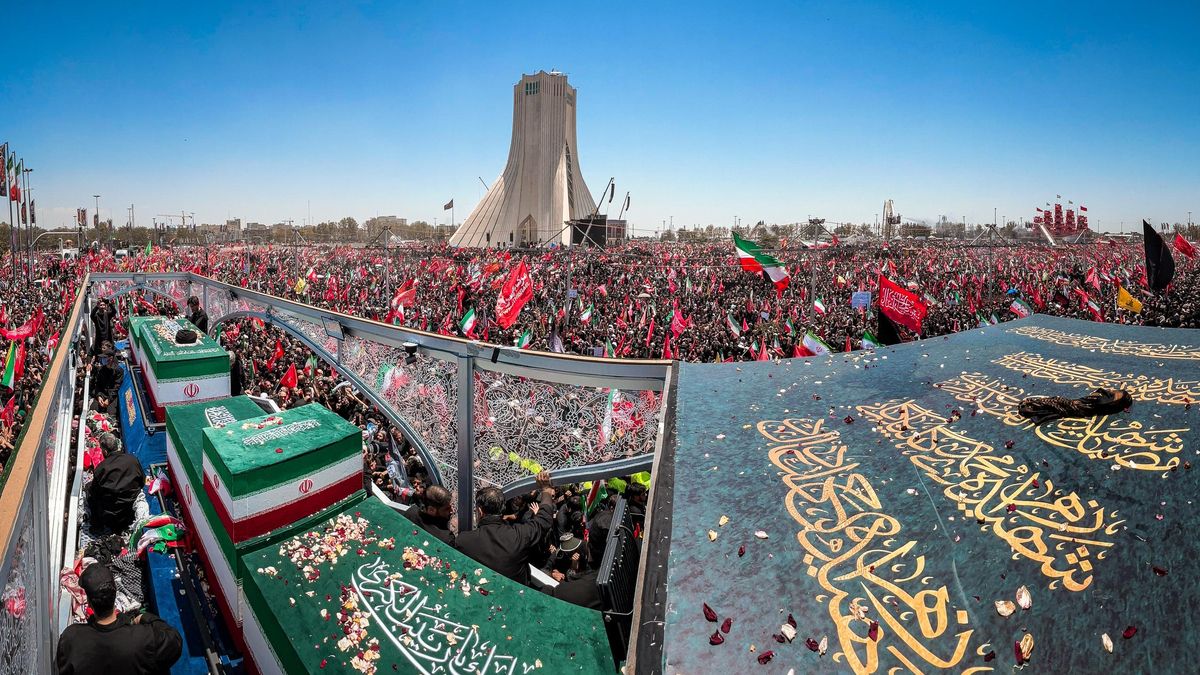
Millions of Iranians have flooded the streets for the funeral of former Supreme Leader Ali Khamenei. The massive crowds have sparked a debate inside Iran. Some officials see the turnout as a strong show of support for the clerical government. Others say it is more about national pride and a demand for change.
The government says it organized the events without disorder or force. International media and social media influencers were allowed into Iran for the funeral. In the holy city of Qom, the Jamkaran mosque was full seven hours before morning prayers began.
Estimates of the crowd size in Tehran vary wildly, from 350,000 to 35 million people. The Financial Times reported up to 12 million attendees. At a minimum, the crowd was similar to the funeral of Iran’s first Supreme Leader, Ruhollah Khomeini, in 1989.
**A "Real Social Base"**
Experts say the crowds cannot be dismissed as paid protesters. Many are educated and wanted to show opposition to what they see as the extrajudicial killing of their leader.
Mohammad Ali Kadivar, a professor at Boston College, calls the funeral a "major episode of state-driven mobilization." He says the regime has built a network of mosques, militias, schools, and media to organize support. However, he adds that the Islamic Republic also has a "real social base." This group is ideologically committed and always ready to mobilize.
Reza Nasri, a lawyer close to the government, says the images show a united nation. He claims the US "never understood what it was facing" when it entered a war with Iran.
**Fractures and a New Phase**
Despite the show of unity, the government has cracks. Some officials want to use the funeral to push for more confrontation with the West. Others want to use it for negotiations.
The government is dealing with multiple crises, including a ceasefire in Lebanon, control of the Strait of Hormuz, and the nuclear program. Recent activity near the strait suggests Iran is not loosening its grip.
Some analysts worry that state TV is pushing for revenge and rejecting peace. Others note that former presidents were excluded from the ceremonies. A key advisor to Khamenei also opposed his son, Mojtaba, becoming the new leader.
The battle for the soul of Iran, both underground and in the streets, is entering a new phase.