France Sends Heat Experts to Spain—But Spain's Secret Is Air Conditioning
Part of composite article Europe Sizzles: Record Heat and Wildfires Burn 67,000 Hectares, Kill 2,000+ View full article →
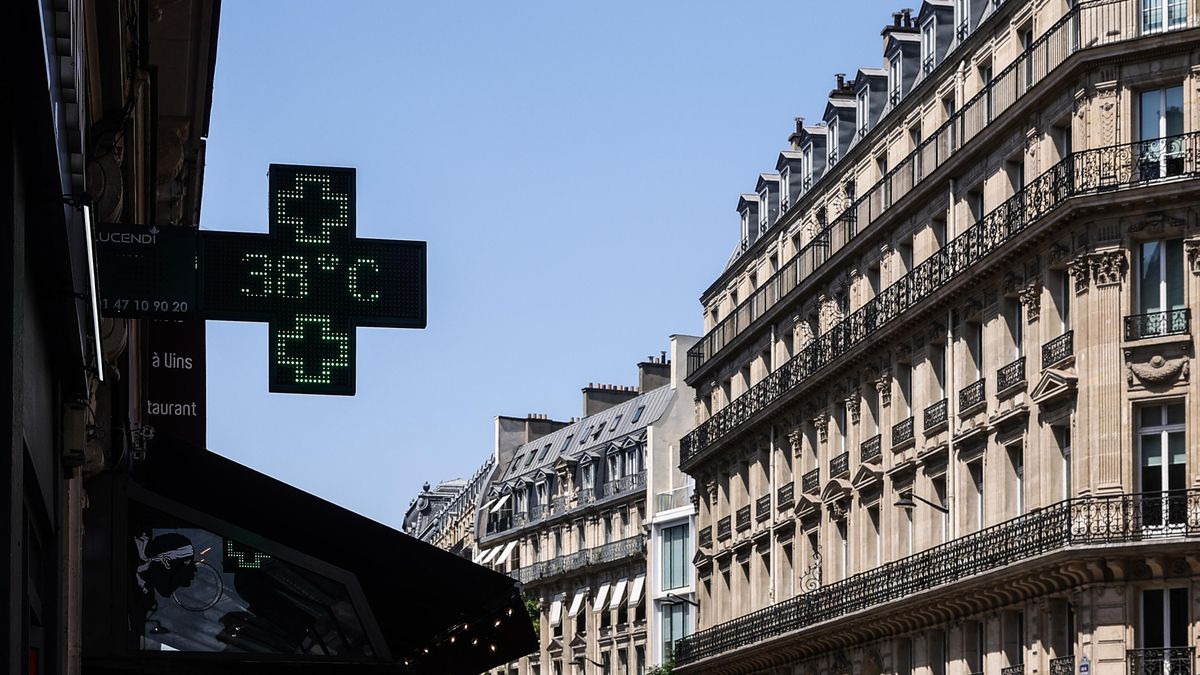
France has recorded over 2,000 heat-related deaths in one week. In response, the French government plans to send a mission to Spain to study how the country copes with extreme temperatures.
The idea is that Spain, with its long history of hot summers, has valuable knowledge to share. But the reality is more complicated.
Seville, one of Spain's hottest cities, offers a mixed picture. Traditional methods like lowering blinds at the right time, whitewashing building facades, and using clay water jugs called *botijos* are still common. People also gather outside in the evening to find cooler air.
Yet much of modern Spain is poorly adapted to heat. Many city squares and streets have been redesigned with concrete, granite, and asphalt, removing trees and shade. In Seville, the city council has struggled for months to install simple awnings over bridges and main streets. There are few "climate shelters," and most neighborhoods lack public swimming pools.
Housing is a major problem. Older buildings from the 1960s and 1970s are small, lack insulation, and have no cross-ventilation. Newer buildings often ignore local climate conditions. Entire neighborhoods are built as if for Nordic countries, not southern Europe.
The real Spanish secret against heat? Air conditioning. French newspaper *Le Point* recently sent a reporter to Andalusia to find out. He discovered air conditioning units everywhere: in homes, offices, shops, and public transport. Many are old, cheap, and inefficient. They run day and night, pushing hot air outside.
This reliance on air conditioning creates new problems. In some working-class neighborhoods, power cuts happen daily during heatwaves. Schools often lack air conditioning, despite a law requiring it.
The irony is clear: while France is now struggling with deadly heat, cities like Paris may actually be better prepared than Spanish cities like Seville. Except in old villages and historic buildings, Spain is a country poorly adapted to its own climate. Citizens adapt as best they can—changing work hours, living in darkness for ten hours a day, and running air conditioning constantly.