Europe’s Heatwave Melts Roads and Stops Trains: UN Calls It ‘Just a Preview’
Part of composite article Europe’s Heatwave Melts Roads, Buckles Rails, and Kills Thousands — UN Says It’s ‘Just a Preview’ View full article →
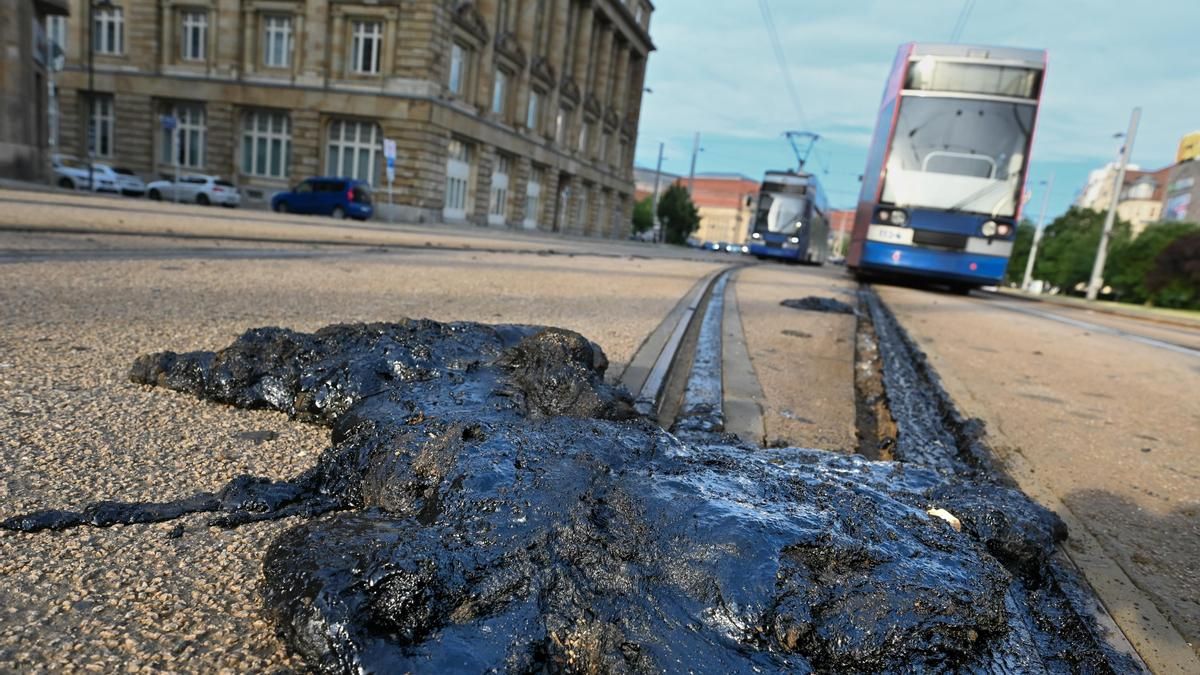
A severe heatwave across Europe in late June has caused unprecedented damage to infrastructure, including deformed railway tracks, melted roads, and forced shutdowns of nuclear power plants. The United Nations warns this is only a glimpse of what climate change will bring.
The extreme temperatures made train rails expand and buckle, forcing cancellations. In the UK, National Rail reported fallen power lines and track fires, advising passengers not to travel unless “strictly necessary.” France cancelled up to 71 intercity trains per day. Belgium, Austria, and the Eurostar high-speed network also slowed or suspended services.
Roads suffered too. In Germany, highway sections lifted and closed. In France, six kilometers of asphalt melted. In the UK, crews spread sand and rock dust on softened roads. In Leipzig, Germany, a tram line stopped when melted asphalt seeped into the tracks and blocked them.
The heat also hit nuclear power plants. In France, one reactor shut down and others reduced output because river water used for cooling became too hot. In Hungary, the Paks plant received a temporary exemption to use warmer water, but still had to cut production by 40 megawatts.
“Transport systems are vital for our societies and economies,” said Tatiana Molcean, head of the UN Economic Commission for Europe. “Disruptions can have dramatic consequences and huge financial costs.”
Experts say Europe’s infrastructure was not built for this heat. A 2024 European Environment Agency report found roads and railways were designed for past climates and are now outdated. Spanish roads, for example, are built to resist heat, but northern European roads were designed mainly to handle frost.
The heatwave is not over. Forecasters warn extreme temperatures will return this weekend.