World Cup Heat Danger: Matches Delayed, Fans Hospitalized
Part of composite article Congo DR and Cape Verde Shock the World: Africa's World Cup Underdogs View full article →
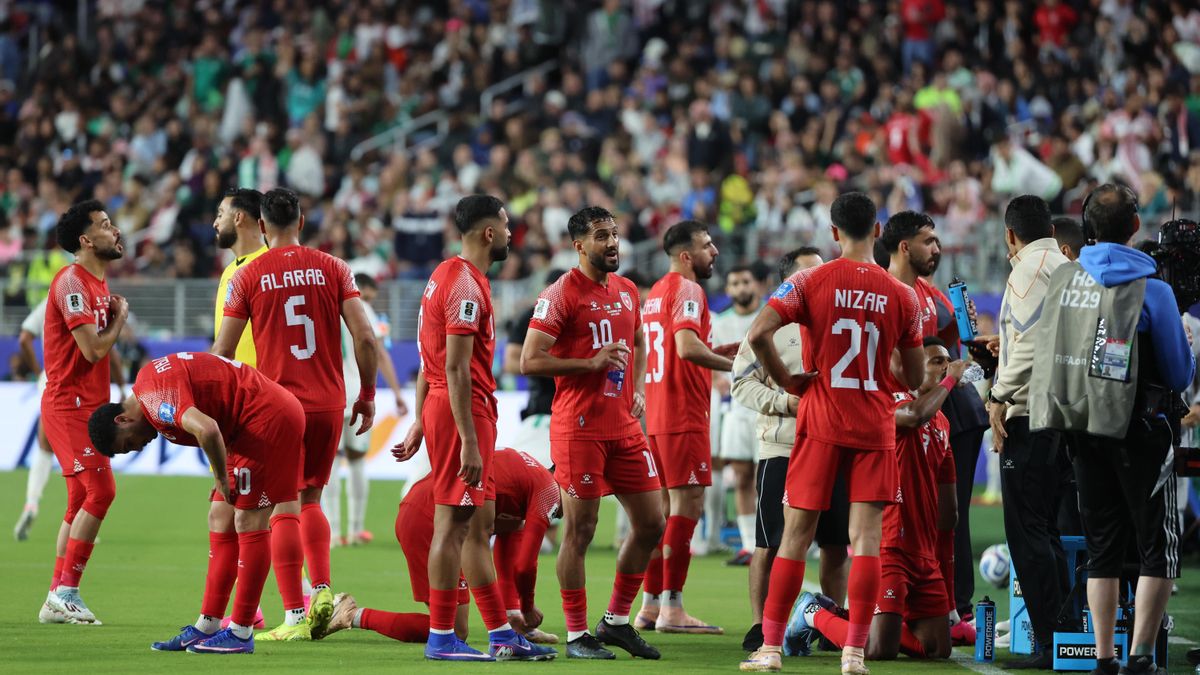
The 2026 FIFA World Cup is facing a new opponent: extreme weather. During the group stage, matches were delayed, and hundreds of fans needed medical help due to dangerous heat and storms, according to a new analysis by UN Climate.
Two games—Uruguay vs. Saudi Arabia in Miami and Sweden vs. Tunisia in Monterrey—were played in heat above the safety threshold set by the global players' union FIFPRO. This threshold is 28°C on the "wet-bulb globe temperature" scale, which measures heat, humidity, and sunlight together.
Four other matches were safe only because the stadiums had air conditioning, which requires high energy use. In total, 25 games were played on days with a risk of dangerous heat levels.
UN Climate warns that the final in New Jersey, two quarter-finals, and the third-place match are also at risk of crossing the heat limit.
Ollie Jay, a heat expert from the University of Sydney, explained the danger. "The body can build up heat, raising its temperature, and by the time we notice, it may be too late," he said. "High humidity makes it harder for the body to cool itself by sweating."
England coach Thomas Tuchel admitted the heat is "an obstacle." He said the team needed cooling specialists to help players adapt.
**First Rain Delay in 50 Years**
On June 22, 2026, the France vs. Iraq match was postponed for two hours due to heavy rain and lightning. It was the first weather-related delay in a World Cup since 1974.
UN Climate notes that heavy rain in the northeastern United States has increased by 60% since 1958. In Pennsylvania, where the game was played, hourly rainfall rates have risen by 28% over the last 50 years.
**Fans Suffer Too**
Fans are also feeling the impact. At the opening match in Houston on June 11, more than 100 people needed medical attention in the fan zone. Four were hospitalized for heat stroke.
In Toronto, a public screening of a Canada match was canceled due to storm risk. A similar event in Atlanta was cut short due to weather alerts.
Simon Stiell, head of UN Climate, said the World Cup is a warning and a chance to act. "If people who love football raise their voices to protect it from climate impacts, like this extreme heat, it could be a turning point," he said.