Trump: Congress Can End Birthright Citizenship Without Constitution Change
Part of composite article Trump’s Sons to Cash In on Tax-Funded Kazakh Mine Deal as Denmark Kicks U.S. Officials Out of July 4 Event View full article →
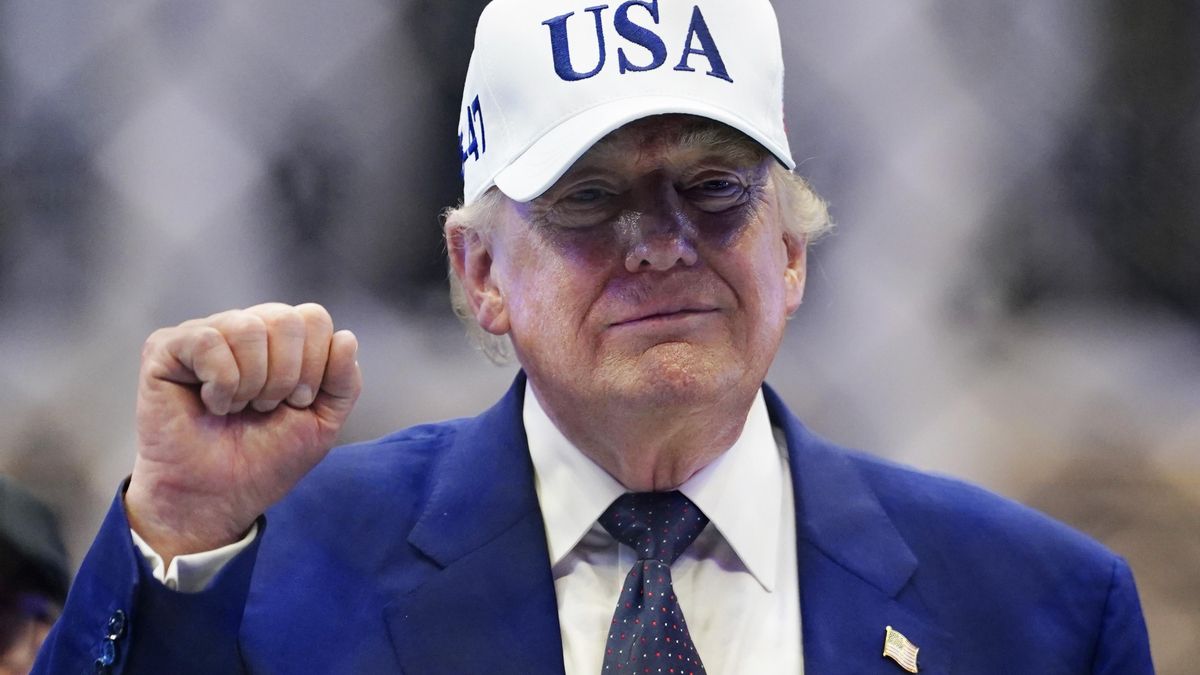
President Donald Trump on Tuesday called for Congress to pass a law ending birthright citizenship, hours after the Supreme Court struck down his executive order on the issue.
"The Supreme Court has upheld birthright citizenship, which is a shame for our country," Trump wrote on Truth Social. "But we can easily compensate for it in Congress through a law, with the president's support. No need for a long, cumbersome constitutional amendment! Congress should start TODAY working to end birthright citizenship."
The Supreme Court ruled 6-3 that Trump's executive order was unconstitutional. The 14th Amendment guarantees citizenship to almost everyone born on U.S. soil, with very limited exceptions.
Chief Justice John Roberts wrote the majority opinion. "Citizenship, then as now, was the right to have rights: to participate freely in our political community," Roberts wrote. "The framers of the 14th Amendment extended that promise to 'every person born free in this land.' Today we uphold that promise."
The ruling said changing birthright citizenship would require a constitutional amendment, not just a law passed by Congress. Five justices agreed on this point.
Justice Brett Kavanaugh wrote a separate opinion suggesting Congress might theoretically pass a law on the issue. But the other five justices in the majority disagreed.
Justices Samuel Alito, Neil Gorsuch, and Clarence Thomas would have supported Trump's restrictions.
In a separate post, Trump congratulated Chinese President Xi Jinping on what he called China's "great victory on the issue of birthright citizenship."
The decision came on the last day of a Supreme Court term that largely favored Trump's claims of presidential power. However, Trump lost at least three cases he cared about deeply: tariffs, birthright citizenship, and his attempt to remove Federal Reserve official Lisa Cook.
Trump's restrictions had been blocked by lower courts and never took effect anywhere in the United States.