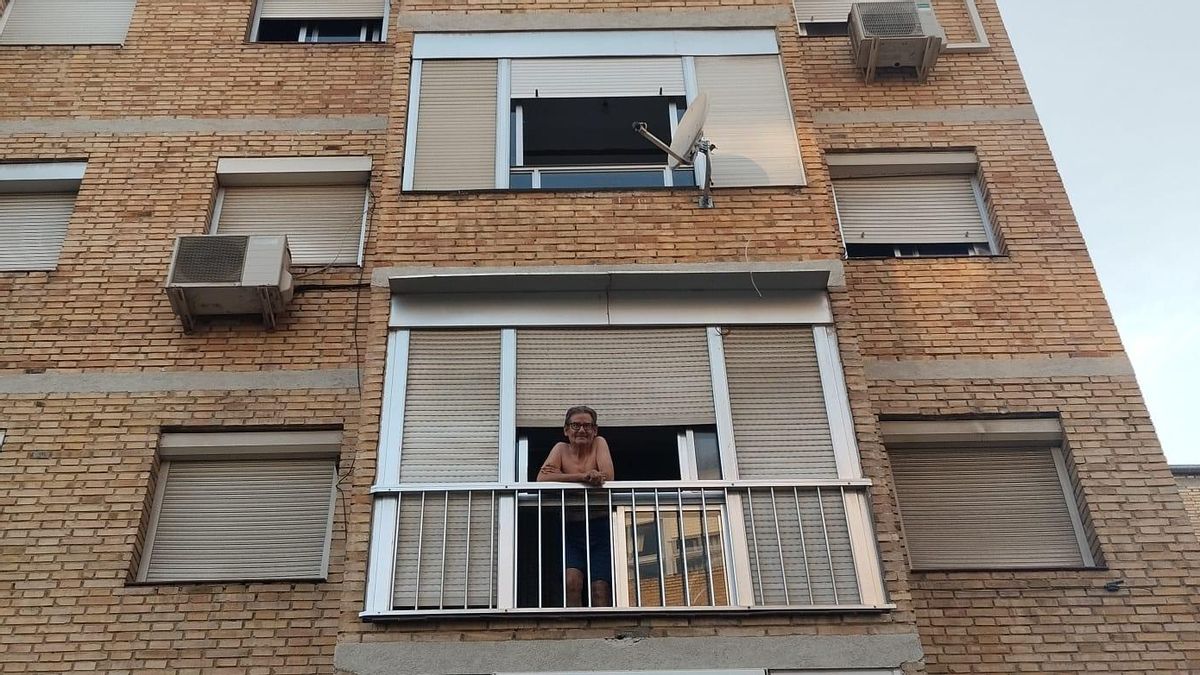
Spain’s Housing Crisis: No AC? You’re Not Getting a Home
The hunt for a home in Spain has become so desperate that air conditioning is now a luxury, not a basic need. With extreme heatwaves hitting the country, the conversation about housing has shifted from warmth to coolness.
One new resident in Madrid shares their experience. They moved into a shared apartment—a common step for those who cannot afford to buy. In Spain, 20% of people over 40 now share a flat, according to a study by pisos.com. When searching for a room, the competition is fierce. Renters cannot be picky. They just hope for good roommates, natural light, and a roof that does not leak. Asking for air conditioning and a pool is out of the question.
The author was lucky. Their new flat has both. But they recall a terrible night without the AC. They are not like the 33% of the population who cannot keep their home at a safe temperature in summer, according to Greenpeace. For the most vulnerable, that number jumps to 53%. In Madrid, Extremadura, and Murcia, over 60% of struggling families cannot cool their homes.
The writer asks: How many elderly people will die this summer without air conditioning? They suggest a solution: send teams to install AC units for those in need.
Even those with AC face a new problem: the electricity bill. Many people are trapped between energy poverty and the housing emergency. Fans are a cheaper option, but stores sell out fast during heatwaves. Other solutions include better window insulation and the classic Spanish blind, or "persiana," which blocks the sun.
**The Data**
Spain has 7,726,708 non-primary homes. This includes tourist flats, second homes, and empty properties. They make up 28.6% of all homes. While the number has dropped, it has stayed near 30% since 2002. Among these are 341,000 tourist flats, which could house 1.7 million people.
**Public Power**
The People’s Party (PP) is pressuring the Housing Minister in parliament. Yet, in the regions they govern, housing prices are not falling. They refuse to apply rent caps from the Housing Law. In Madrid, affordable housing becomes expensive when inflated community fees, property tax, and mandatory garages are added. The Housing Ministry, now three years old, has not solved the crisis. Prices have only stopped rising where rent caps are in place. Meanwhile, the PP accepts state housing funds but challenges conditions in court. This week, Extremadura, Andalusia, and Madrid filed new appeals.
Two years have passed since a proposal to regulate short-term and room rentals was filed in parliament. This loophole allows landlords to bypass tenant protections. Prime Minister Pedro Sánchez called for urgency in January, but the law is stalled.
**Private Power**
The tech boom is driving up housing and electricity prices. A new study from Yale and the University of Chicago shows that data centers for artificial intelligence are raising costs. Meanwhile, real estate investment in healthcare hit 471 million euros in the first quarter of this year. Spain is now the fourth-largest market in Europe. While more hospitals and nursing homes may be built, experts warn about the privatization of health services.
One developer, Julio Alcalde of Élite Inmobiliaria, went viral for selling a rooftop space where you must live hunched over. The price? 259,000 euros.
**Reader Report**
If you have a housing issue or a question, email [email protected]. The team will investigate or consult an expert.
The writer signs off with a wish: that temperatures drop so people can survive a trip to buy bread.