EU to target Chinese plug-in hybrids with new tariffs
BRUSSELS — The European Commission is investigating whether to impose tariffs on plug-in hybrid vehicles (PHEVs) made in China, in a move to close a loophole that Chinese automakers have used to avoid existing trade barriers.
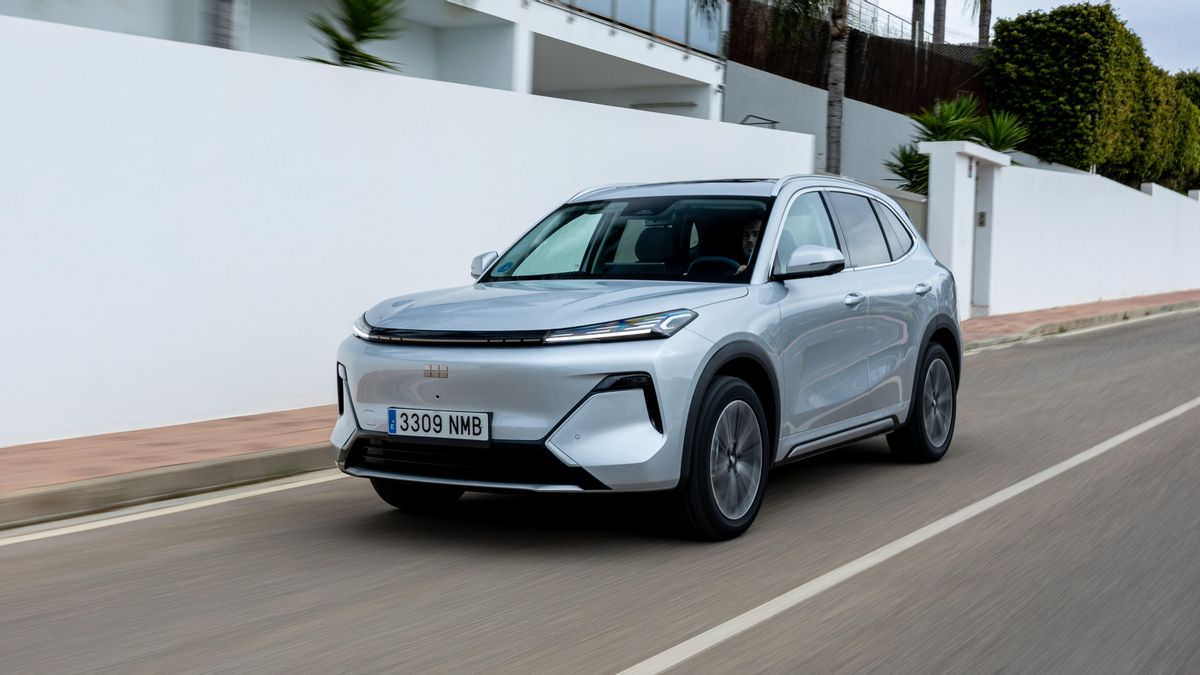
The probe, first reported by German newspaper Handelsblatt, focuses on whether certain Chinese PHEVs are unfairly benefiting from regulatory and tariff advantages meant for low- or zero-emission vehicles. Chinese brands including BYD, Geely, Changan, and MG have shifted their export strategy toward these hybrids after the EU imposed compensatory tariffs on fully electric Chinese cars in 2024.
European carmakers have raised alarms over a potential flood of cheap Chinese PHEVs. Industry sources cited by Handelsblatt say Chinese manufacturers quickly spotted and exploited a "legal gap" that let them keep prices competitive in Europe despite the tougher rules on pure electric vehicles.
Brussels believes the current rules may be distorting the market. The Commission wants tariff benefits limited to vehicles that can run a significant portion of their use with minimal or zero emissions, excluding hybrids that rely heavily on a combustion engine.
If approved, the new duties would be similar to those already applied to Chinese battery-electric cars. While no specific rates or timeline have been set, EU sources say the Commission could act quickly if it wins support from a majority of member states.
The move is part of a broader EU industrial defense strategy against China's growing automotive sector. European manufacturers argue that Chinese state subsidies allow brands to sell cars at very aggressive prices, putting pressure on local production.
New tariffs would force Chinese automakers to rethink their export plans, adjust pricing, or speed up plans to build vehicles inside Europe—a route BYD is already exploring. For European industry, the measure would offer temporary relief from rising competition. But it could also reduce pressure on prices and slow growth in the electrified market, especially as PHEVs gain popularity as a transition technology.
The Commission has not officially confirmed the opening of a formal procedure or a decision timeline. But the debate over Chinese plug-in hybrids is shaping up to be the next front in EU trade policy, as the battle for control over the future of the auto industry intensifies.