Spain Heat Wave: Summer Work Rules Fail to Keep Up with Climate Change
Part of composite article Paris Schools Shut Early as 38°C Heatwave Turns City into ‘Zombie Zone,’ 20 Drown View full article →
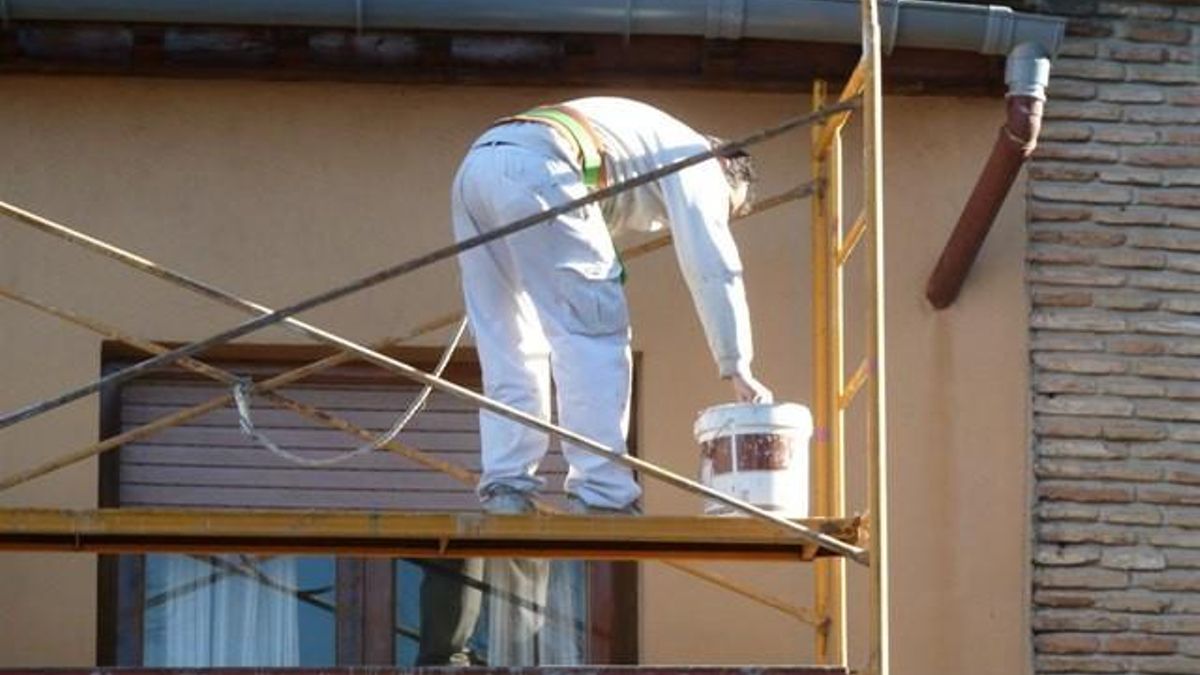
Spain's first summer heat wave has arrived, and experts say traditional workplace protections are already outdated. The heat is coming earlier and stronger each year, forcing a rethink of when and how companies protect their staff.
Last year was the hottest summer on record. This year is expected to be similar, partly due to the El Niño weather phenomenon. The problem? Many companies only start summer safety measures, like adjusted working hours, in July.
"Climate change is not a problem that is coming. It is already here," said Mariano Sanz, a health and safety secretary for the CCOO union.
The construction industry is one example. In some areas, workers can start earlier to avoid the midday heat. This practice, once limited to hot provinces like Seville, has spread. But it is not universal.
Many other outdoor jobs lack such flexibility. Office workers often get reduced summer hours too, but this is usually a perk for work-life balance, not a safety measure.
**Experts: Start Preparing in May**
Union leaders say the problem is deeper. "It's not just about intensive shifts," said Patricia Ruiz, head of occupational health for the UGT union. "There is a general lack of anticipation and planning against high temperatures."
One clear example is schools. Teachers and students are protesting heat in classrooms, especially at the end of the school year. Ruiz calls this a public health issue, not just a workplace one.
Safety experts say companies must act sooner. "From the beginning of May, even if it seems early, you should already be watching the weather forecasts," said María José García Tomás, an expert at the National Institute for Safety and Health at Work (INSST).
She warns that sudden temperature changes are especially dangerous. The body has not yet adapted to the heat at the start of summer.
Heat is a proven killer. It causes heatstroke, worsens other illnesses, and increases workplace accidents. The World Health Organization and the International Labour Organization estimate that about 19,000 workers die each year from heat-related causes. Over 22 million more suffer injuries from exposure to high temperatures.
**The Law Already Requires Action**
Spanish law already requires all companies to protect workers from heat. Since 2023, outdoor workers must have specific plans for extreme temperatures, especially during red and orange weather alerts.
"In these cases, companies can and must adapt working hours to avoid heatstroke," said Labour Minister Yolanda Díaz.
The most urgent measures include avoiding work during the hottest hours, taking more breaks, staying hydrated, and wearing lighter clothing. If these are not enough, the law allows work to be stopped.
For indoor workers in factories and warehouses, experts say it is easier to control heat through insulation and air conditioning.
Despite the law, unions say enforcement is weak. "We insist that the necessary measures are not being taken," Ruiz said. Last week, the Labour Inspectorate sent over 110,000 warnings to companies reminding them of their duty to protect workers from heat.
Unions believe the best solution is through collective bargaining. "Collective bargaining, which covers nine out of ten workers, must now include climate change," said a spokesperson for the Ministry of Labour. "It is at the company level where flexible measures can be designed most precisely to deal with high temperatures and other adverse events."