Last Year’s Wildfires Trigger Mudslides and Floods in Spain
Part of composite article Europe’s Second Heatwave Kills Dozens, UK Bans Hosepipes as Temperatures Hit 33°C View full article →
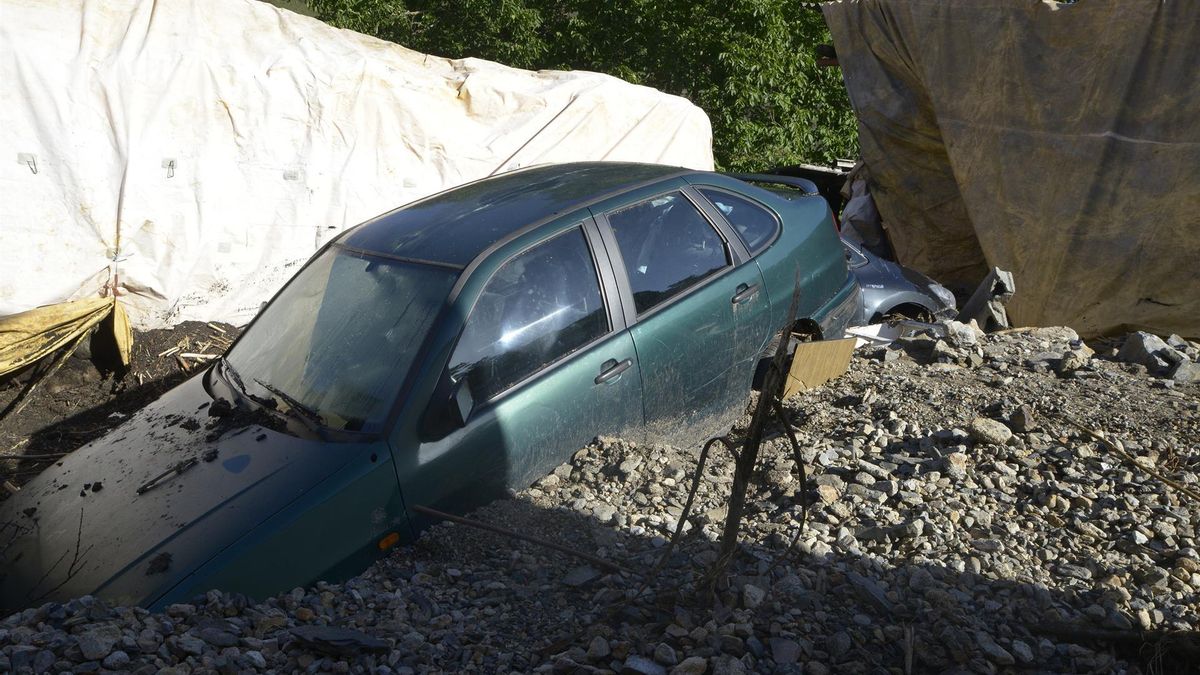
MADRID – Nearly a year after a massive wildfire scorched 33,000 hectares in Galicia, northwestern Spain, the burned land is now causing dangerous flash floods and mudslides during summer storms.
The fire, the largest on record in the region, started in Larouco in August 2025. It left the soil dark, dry, and unable to absorb water. According to Serafín González, a soil scientist at the Spanish National Research Council (CSIC), the dark ground absorbs more heat. This heat causes more evaporation, which helps form storm clouds. When rain falls, the burned soil acts like a hard surface, not a sponge. “A natural soil is like a sponge: it stores water and releases it slowly. If it burns, it stops doing that,” González said.
Heavy rain in recent weeks has confirmed these fears. In the town of A Rúa, Mayor María González Albert described the situation: “We live looking at the sky and crossing our fingers.” Stormwater has filled streets with mud, rocks, and tree trunks. In nearby Vilamartín de Valdeorras, rivers overflowed and flooded homes. The N-120 highway was cut off.
In Viana do Bolo, Mayor Germán García-Ávila called the scene “dantesque.” Mud and debris buried cars and damaged houses. He said the storm felt like “a tsunami.” Several residents had to be rescued. The mayor requested the area be declared a disaster zone. He noted that leftover branches and brush from logging operations, not cleared after the fire, made the flooding worse by blocking streams.
Local leaders say they warned authorities for months. “We have been warning for a year. The feeling is total abandonment,” said Mayor Albert. She claimed the regional government, the Xunta, has not done enough to restore the land or clean the waterways. In A Rúa, the town’s plumber must watch for storms and shut off the water supply at night to prevent contamination.
The Xunta’s Rural Affairs Department says it has taken action. It reports spending 5 million euros on repairs and aid for 46 towns. Measures include spreading straw over the soil (*mulching*) and building barriers to stop erosion. The department also says it has repaired 100 kilometers of forest roads.
But residents remain on edge. They fear more storms will come before all the debris is removed. In the village of Pradocabalos, a bridge was damaged by piled-up logs and mud. “The fire was very serious and spectacular at the time,” Albert said. “But later is when many important problems come.”