US-Iran Deal: A Fragile Truce, Not a Victory
Part of composite article Oil Is Flowing: US-Iran Deal Reopens Strait of Hormuz, $300 Billion on the Table View full article →
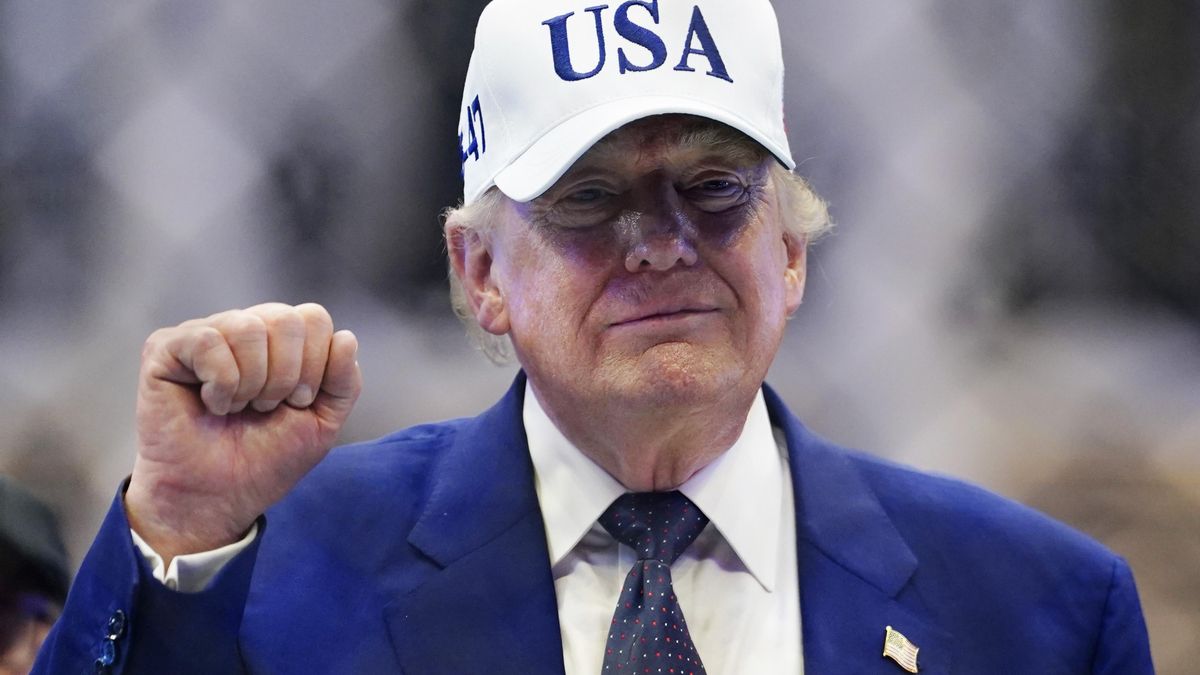
After nearly four months of a war that experts call unnecessary and illegal, the United States and Iran have reached a preliminary agreement. The deal, a Memorandum of Understanding (MOU), was finalized late Sunday and is set to be signed in Switzerland on Friday. It aims to open negotiations for a final peace deal within the next 60 days.
The agreement is the result of urgent needs on both sides: U.S. President Donald Trump needs a domestic political win, and Iranian leaders need relief from a collapsing economy. However, the deal is extremely fragile. It could collapse before Friday, or as soon as real negotiations begin.
**What the Deal Does (and Does Not Do)**
For now, the only concrete result will be the reopening of the Strait of Hormuz. Before the war, the strait was open without issue. The conflict allowed Iran to prove it can block this critical global oil passageway at will, causing a worldwide economic crisis.
The war has actually strengthened Iran. Tehran now wants to gain some control over the strait after it reopens, possibly by requiring ships to buy services or supplies. This would give Iran economic benefits it did not have before the attack.
**The Real Issues Remain Unresolved**
The major topics for the 60-day negotiation period are:
1. **Lifting Sanctions:** The U.S. says sanctions relief will depend on progress in peace talks. Iran says sanctions will be lifted immediately, and the 60-day clock starts when it receives half of its frozen funds – about $12 billion.
2. **Nuclear Program:** Trump claims the deal will prevent Iran from getting a nuclear weapon. However, Iran had already agreed to give up nuclear weapons under the 2015 JCPOA (Joint Comprehensive Plan of Action), which Trump abandoned in 2018. Before the war, Iran had even agreed to allow U.S. inspectors into its nuclear facilities.
**Why This Deal Is Weak**
Trump has already dropped two key demands: limiting Iran’s missile program and stopping its support for anti-Israel militias like Hezbollah. If he now agrees to release $12 billion before a nuclear deal is in place, the final agreement will be far weaker than the 2015 JCPOA.
The biggest threat to the deal is Israeli Prime Minister Benjamin Netanyahu. He has always opposed the JCPOA and wants to destroy the Iranian regime entirely. He has worked to sabotage any agreement that leaves Iran intact and will likely continue to do so.
**The Bottom Line**
This war was unnecessary and criminal. It has caused massive destruction, thousands of deaths, and a global economic crisis. The only winners are arms companies and oil corporations. The current deal offers a small window for peace, but it is fragile and uncertain. The real challenge will be surviving the next 60 days.