US-Iran deal faces collapse as opponents attack from all sides
Part of composite article Oil Is Flowing: US-Iran Deal Reopens Strait of Hormuz, $300 Billion on the Table View full article →
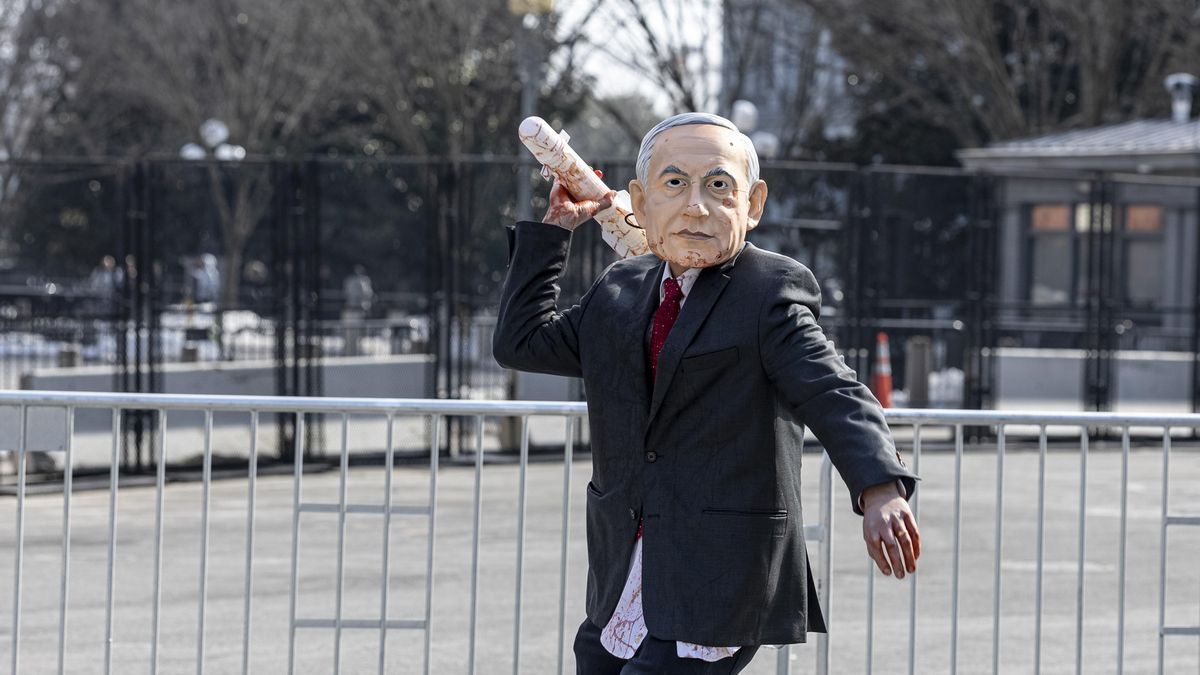
The peace agreement between the United States and Iran, scheduled for signing this Friday in Geneva, is under threat from multiple directions. Israel opposes it, Republican hardliners doubt it, and Iranian conservatives distrust it. The deal hangs by a thread.
The memorandum of understanding comes more than two months after a ceasefire was announced on April 8. Since then, bombs have fallen on Iran and Gulf states. Israel has intensified its invasion of Lebanon, firing up to 130 rockets on Monday alone, according to the UN.
**Trump in a hurry**
President Donald Trump needs this deal. Gas prices in the US are 50% higher than before the war in Iran, due to the blockade of the Strait of Hormuz. With inflation at a three-year high, Trump promised Americans a better life. Now he needs the agreement to keep control of the Senate in November's elections.
**MAGA split**
But Trump's own supporters are divided. Conservative commentators are voicing strong doubts.
Mark Levin, speaking on Fox News Sunday, asked: "How will compliance be guaranteed beyond Trump's presidency? I see very little debate on how the memorandum or final agreement will be enforced."
Marc Thiessen, another Fox commentator, called for a "decisive strike" against Iran last week. On Monday he said: "We don't know the details. The nuclear question is still open. Trump has only two and a half years left. We could get another weak president like Obama or Biden, and they won't enforce it."
Thiessen also warned that lifting the US blockade would give Iran "billions of dollars for nothing" and called a reported $300 billion reconstruction fund "like applying the Marshall Plan to Germany while the Nazis were still in power."
**Leaked terms favor Iran**
The agreement has not been published, but Iran's Mehr news agency has leaked 14 clauses. According to the BBC, these include: immediate and permanent ceasefire on all fronts, including Lebanon; US commitment not to interfere in Iran's internal affairs; full lifting of the naval blockade within 30 days; US withdrawal of all forces from Iran; reopening of the Strait of Hormuz under Iranian command; suspension of oil sanctions; and a $300 billion reconstruction plan from the US and its allies.
The leaked terms also say Iran will not produce nuclear weapons, and the US will not send more troops to the region or impose new sanctions during 60 days of final nuclear talks. Iran would get $24 billion in frozen funds released.
**Iranian hardliners resist**
Inside Iran, the hardline Paydari faction opposes the deal. MP Mahmoud Nabavian called it "a pure loss" and criticized the negotiating team. MP Amir Hossein Sabeti said the agreement "keeps sanctions, loses the Strait of Hormuz, and extends the shadow of war."
Their candidate won 45% of the vote in 2024 presidential elections. Recent protests in Tehran accuse negotiators of betraying the late Ayatollah Ali Khamenei.
However, the Paydari spiritual leader Mohammad Mehdi Mirbaqeri has expressed support for the deal, possibly because new Supreme Leader Mojtaba Khamenei is overseeing it.
**Strait of Hormuz tolls remain unclear**
One key issue is whether ships will pay to pass through the Strait of Hormuz. Trump says there will be no tolls. But Iran's Foreign Ministry spokesman Esmail Baghaei said Monday that Iran, working with Oman, will charge for "navigation services, environmental protection, and possible insurance."
Iran has not ratified the UN Convention on the Law of the Sea, so it could legally charge fees for specific services, according to University of Colorado law professor Maryam Jamshidi.
**Israel openly defies the deal**
Israel's government is the most vocal opponent. Prime Minister Benjamin Netanyahu has not spoken publicly, but his ministers have.
Defense Minister Israel Katz said Israeli forces will stay "in the security zones of Lebanon, Syria, and Gaza, without time limit." He warned: "If Iran attacks Israel because of events in Lebanon, we will hit it with full force."
Ultra-right Minister Itamar Ben-Gvir said: "Israel is not subordinate to the US. We are not partners in this deal." Finance Minister Bezalel Smotrich called it "bad for Israel and the entire free world."
Even opposition leaders criticized Netanyahu. Former Prime Minister Naftali Bennett said Netanyahu failed to achieve "a decisive victory." Former Defense Minister Avigdor Lieberman called the deal a "diplomatic disaster."
On Monday, it was reported that the US and Iran will hold indirect talks in Doha, Qatar this week before the formal signing.