Trump and Iran Announce Deal to End War, Reopen Strait of Hormuz
Part of composite article Oil Is Flowing: US-Iran Deal Reopens Strait of Hormuz, $300 Billion on the Table View full article →
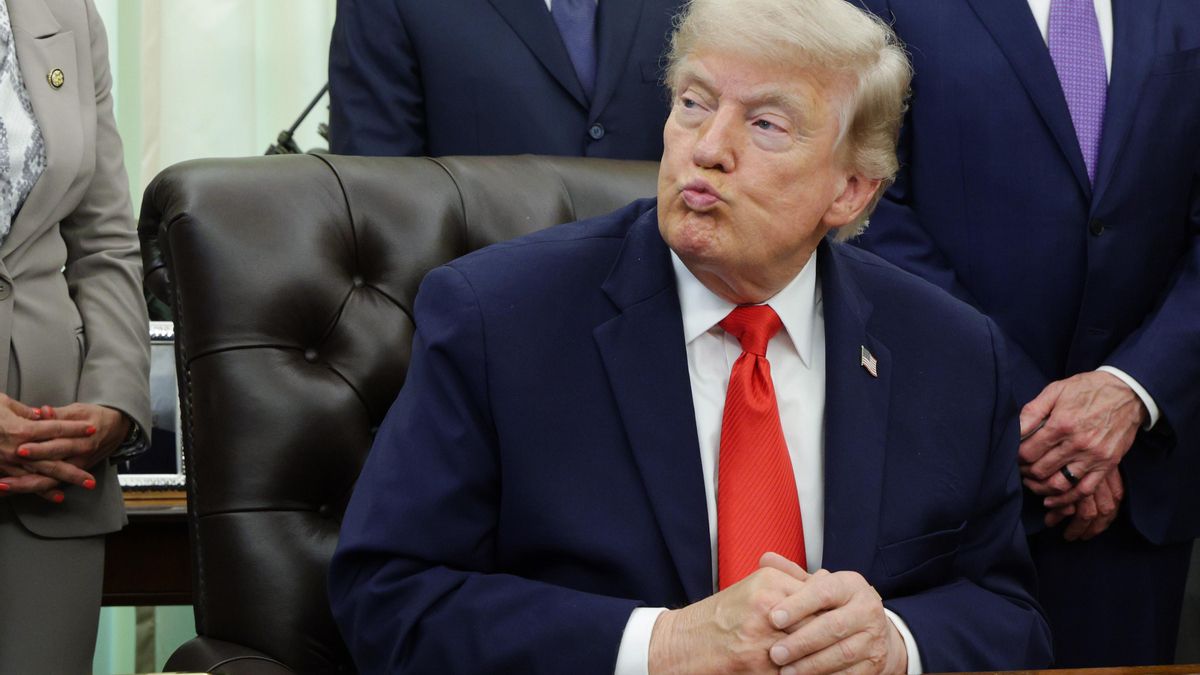
WASHINGTON – “Ships of the world, start your engines.” With those words, US President Donald Trump announced a preliminary agreement with Iran on Sunday. The deal aims to end the war that began on February 28 and reopen the Strait of Hormuz, a vital waterway that once carried 20% of the world’s oil.
The full text of the agreement has not been released. However, key details have emerged from both sides and from mediators.
The deal will not take effect until a formal signing on Friday in Switzerland, according to Pakistan, a key mediator. Even after that, experts warn it could take months for oil shipments to return to normal.
**Key Points of the Deal**
The agreement has several main parts:
- **Ceasefire:** An immediate and permanent end to military operations on all fronts, including in Lebanon.
- **Strait of Hormuz:** The waterway will reopen within 30 days, under Iranian control.
- **US Blockade:** The US will lift its naval blockade on Iranian ships within 30 days.
- **Frozen Funds:** The US will release $24 billion in frozen Iranian funds over 60 days. Half of this must be released before final negotiations begin.
- **Nuclear Program:** This issue is postponed. The two sides have 60 days to negotiate the fate of Iran’s highly enriched uranium. Iran has enough material to make several nuclear bombs but says its program is peaceful.
- **Sanctions:** The US will suspend oil sanctions. Broader sanctions relief will be discussed in the next 60 days.
- **Reconstruction:** The US and its allies are expected to provide at least $300 billion for Iran’s reconstruction.
**Obstacles Remain**
The deal faces serious challenges. Israel, which did not take part in the talks, bombed southern Beirut on Sunday. Trump criticized Israeli Prime Minister Benjamin Netanyahu for showing “lack of judgment” and urged all sides to stop fighting.
Iran’s ballistic missile program and its support for groups like Hezbollah are not part of the current agreement. These issues have been removed from the agenda.
Republican Senator Lindsey Graham expressed concern, saying Iran’s view of the deal may differ from what the US team claims.
**What Happens Next**
The formal signing is set for Friday in Switzerland. After that, mine-clearing operations in the Strait of Hormuz must begin. Shipping companies and insurers will need confidence that the peace will last before they resume full operations.
“It will take months before we reach pre-conflict levels,” said Rockford Weitz, a maritime expert at Tufts University. “That is assuming everything goes smoothly.”
The price of Brent crude oil fell more than $3 per barrel after the announcement. Asian stock markets rose.
Iran’s Supreme Leader, Ayatollah Mojtaba Khamenei, has not been seen in public since the war began. His approval was necessary for the deal to move forward.