Fishermen Out, Cruise Ships In: Santander's Historic Port Swap
The fishing fleet in Cantabria, northern Spain, is at its lowest point in years. Only 64 small coastal fishing boats, called "artes menores," are still active in the region. This year, nine boats have already been lost. A separate fleet of just 30 boats, used for catching sardines and anchovies, is shrinking by one or two vessels every year.
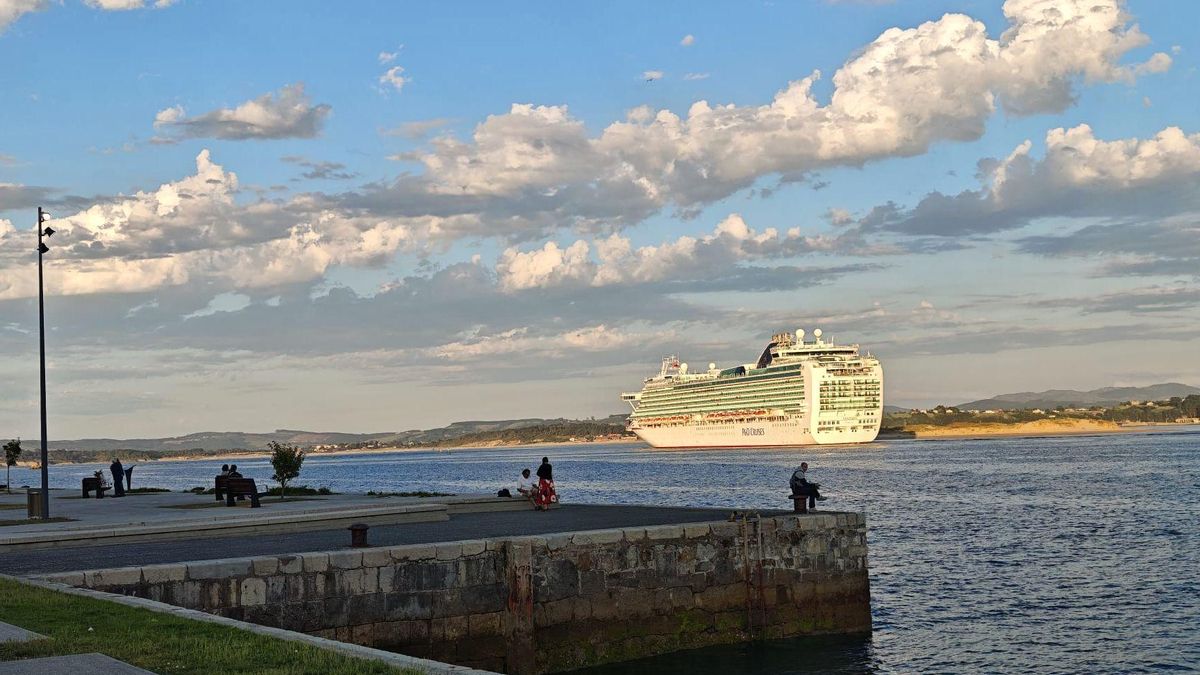
As the fishing industry disappears, the port of Santander is changing fast. The view is no longer of busy fishing boats. Instead, large "floating hotels" with over 3,000 passengers now sail through the bay.
The port has chosen to focus on cruise tourism. In 2026, it expects a record 38 cruise ship visits and over 60,000 tourists. The city hopes these visitors will spend money on food, culture, and trips around the region. In late May, two ships arrived at the same time. The Ventura, carrying 3,300 passengers and 1,200 crew, and the World Voyager, with 200 tourists and 125 crew, brought nearly 5,000 people in one day.
César Díaz, president of the Santander Port Authority, says the cruise market is growing and still has "significant room for growth." The goal is to make Santander the top luxury cruise port in northern Spain.
But this success story hides a problem. The old fishing tradition is struggling to survive. In the capital, the local fishermen's association now has only nine small boats. This is a 25% drop in just two years.
Agustín Trueba, secretary of the Santander Fishermen's Association, blames a broken bridge. The Raos drawbridge, which lets boats reach the fish market, was broken for eight months last year. It has only been partially fixed. Trueba says this forced larger boats to unload in other ports, causing a 50% drop in anchovy sales at Santander's market. He warns that if the one working side of the bridge breaks, the entire fleet will be trapped.
While port officials celebrate their success at international trade fairs, local fishermen struggle with basic infrastructure. The historic fishing district of Santander now faces an uncertain future. It risks becoming just a pretty backdrop for the thousands of cruise tourists who arrive each year, looking for the sea life that is slowly vanishing.