Iran Demands $100 Billion Back: The Frozen Assets Blocking Peace
Part of composite article Iran Demands $100 Billion Back Before Signing Any Peace Deal View full article →
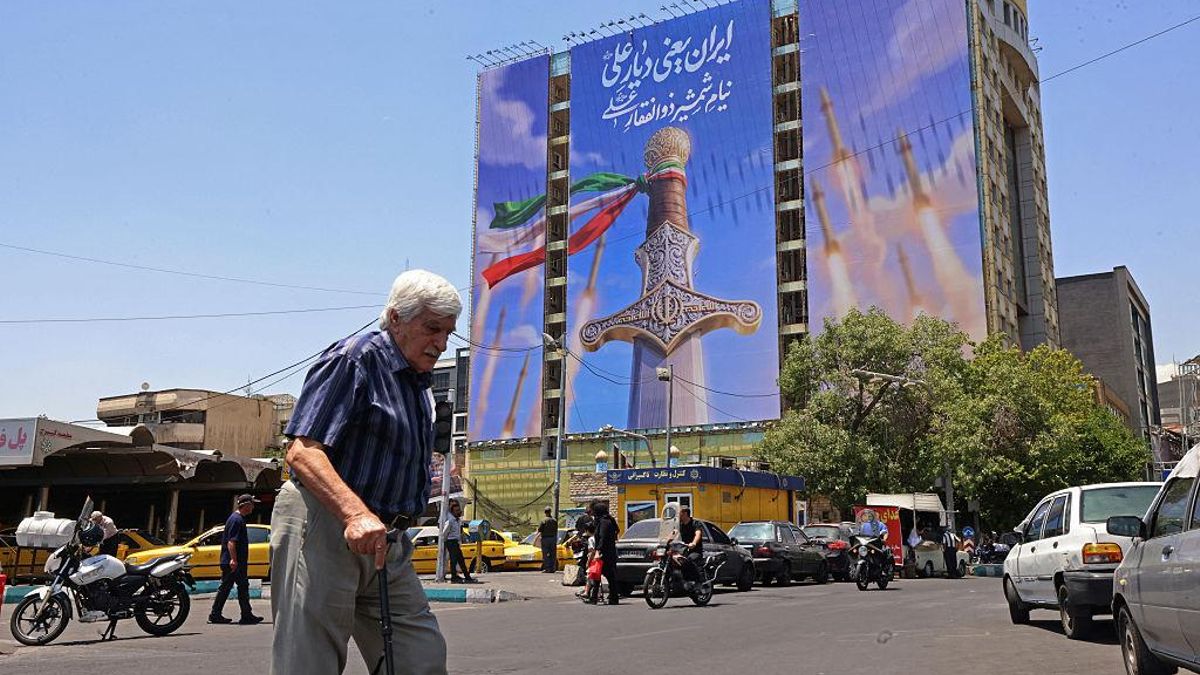
A peace deal between Iran and the United States is closer than ever. But one critical issue remains unresolved: approximately $100 billion in frozen Iranian assets.
These funds, mostly from oil and gas sales, are held in banks and accounts across the globe. The United States forced countries like Qatar, South Korea, Japan, and India to freeze the money as part of a strategy of "maximum pressure" against Iran.
Now, Iran wants its assets back before making any concessions on its nuclear program. The US, however, is considering confiscating the funds to pay war reparations to Gulf nations.
**What are frozen assets?**
Frozen assets are money or property that a country blocks from being moved or used. In this case, the US uses its global influence to force other nations to hold Iranian funds. This is called a "secondary sanction." If a bank in Qatar does business with Iran, the US can punish that bank. To avoid punishment, the bank freezes the Iranian money in its accounts.
**Why are they so important now?**
The conflict between Iran and the US dates back to the 1979 Islamic Revolution. For decades, the US has used sanctions to weaken Iran's economy. The frozen assets are a major bargaining chip.
Iran argues it needs the money to recover from war and sanctions. The US sees the assets as leverage. If the US confiscates them, it would break a major international taboo—similar to the debate over frozen Russian assets in Europe.
**The numbers at stake**
Estimates put the frozen assets at around $100 billion. That is about one-third of Iran's entire annual economic output. Iran is reportedly asking for a quarter of that amount, or $25 billion, as a first step.
Qatar holds the largest share, possibly after funds were moved from South Korea. This is why Qatari mediators, not just Pakistani ones, are involved in the talks.
**What happens next?**
Both sides face difficult choices. If the US gives back the assets, Iran gets a financial lifeline. If the US confiscates them, Iran will likely walk away from the negotiations.
The outcome will shape not just the peace deal, but the future of global sanctions. If the US seizes the money, other nations may fear the same treatment. If it releases the funds, Iran gains power to push for bigger demands, including a new security system for the Middle East.