Spain Inflation to Hit 3.8% in 2026 as War in Iran Drives Up Prices
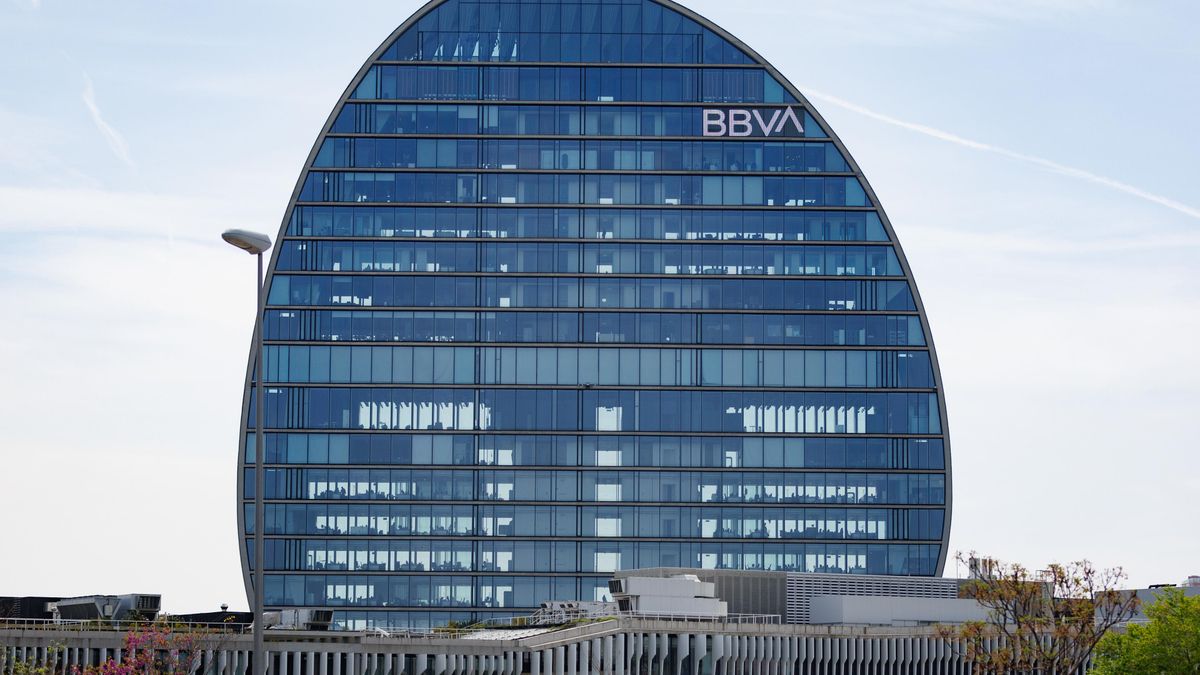
BBVA Research, the Spanish bank’s economic study center, has sharply raised its inflation forecast for Spain. The bank now predicts prices will rise by 3.8% in 2026, up from a previous estimate of 2.9%. The main cause is the war in Iran, which the bank calls an “intense and persistent” shock to the economy.
Despite this, BBVA maintains its growth forecast for Spain’s gross domestic product (GDP) at 2.4% for 2026. However, the bank expects growth to slow to 2.1% in 2027 as higher inflation hurts families and businesses.
“For now, we only see the effects in fuel-related inflation,” said Jorge Sicilia, BBVA’s chief economist. “We will watch how it spreads to other sectors.”
The bank warns that consumer confidence is already dropping. Many households remember the price shock of 2022, after the invasion of Ukraine. “If the decline continues, it could hit domestic demand hard, especially household spending,” the report says.
Spain is somewhat protected because it does not rely on energy imports from the Persian Gulf. Still, the war will affect the economy through other channels. Exports of goods and investment will suffer. BBVA estimates the conflict could cut GDP by 0.5 points in 2026 and 0.1 points in 2027, while adding 1.3 points to inflation this year and 0.6 points next year.
The price rise will also hurt Spanish competitiveness, especially for manufacturing and farming, which depend on expensive fertilizers.
Spain’s main trade partners, Germany and France, are also slowing down. Exports are expected to fall 1.2% this year, with a slight recovery of 2.4% in 2027.
Housing investment will boost growth, driven by new households and rising prices. But price increases will slow due to limited supply and higher financing costs. Home prices are expected to rise 12% in 2026 and 5.7% in 2027.
Household consumption will keep growing, thanks to savings and higher incomes in recent years. More tourists from regions near the conflict, or from areas where energy is expensive, will also help.
However, the bank warns that savings are not evenly shared. “Savings are concentrated in middle- and high-income households,” said Rafael Doménech, head of economic analysis. “The lowest 20% of households have no savings to cope with rising inflation.”
The labor market will remain strong. BBVA expects 540,000 new jobs in 2026 and 455,000 in 2027, driven by immigration and more Spanish-born people joining the workforce.