US and Iran Trade New Strikes, Ceasefire in Jeopardy
Part of composite article US Bombs Iran Water Tanks, Cutting Off 20,000 People; Kills 3 Indian Sailors in Hormuz View full article →
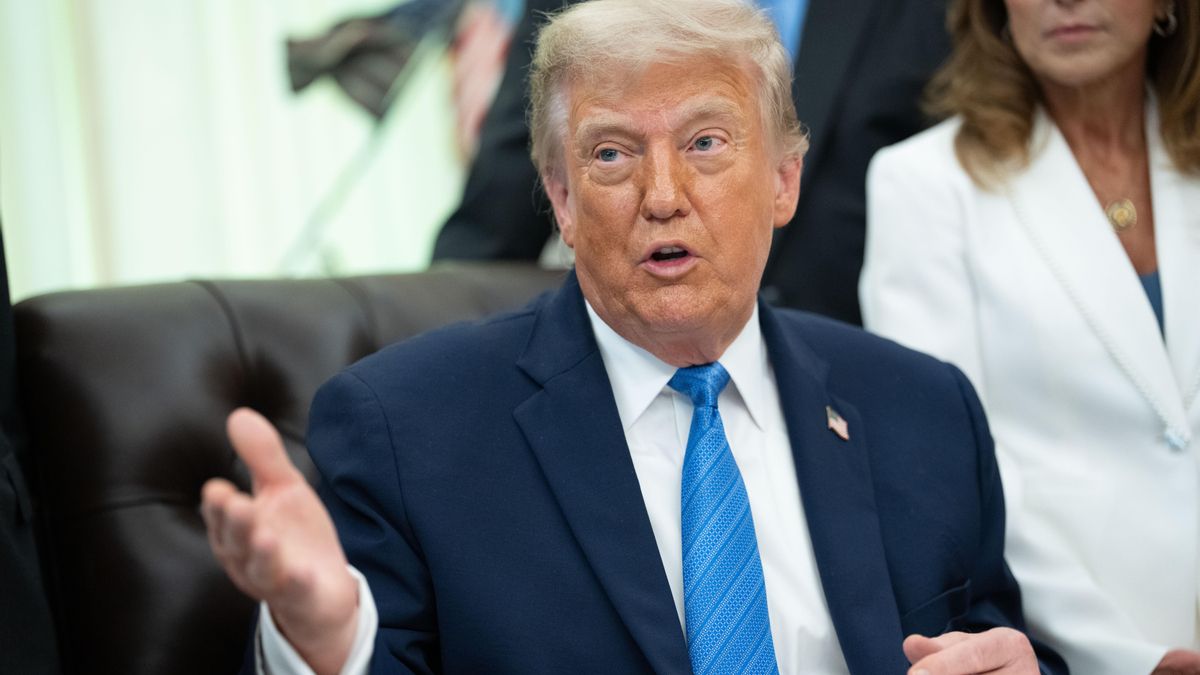
WASHINGTON – The United States launched a new wave of airstrikes against Iran on Wednesday, following through on President Donald Trump’s threats. Iran quickly retaliated by attacking US bases in Bahrain, Kuwait, and Jordan, putting a fragile April 8 ceasefire at serious risk.
The US military said it began strikes at 5:15 PM Eastern time in "legitimate self-defense" against multiple targets in Iran. The operation focused on Iranian surveillance, communication systems, and air defense sites, according to a statement from US Central Command (CENTCOM).
"The strikes were carried out under the orders of the Commander in Chief," CENTCOM said on social media. "These actions respond to Iran's unjustified and continued aggression."
US forces used precision munitions from Marine, Air Force, and Navy units. The targets were linked to military monitoring and coordination that could pose "a threat to US forces in the region and to commercial navigation in nearby waters," the statement added.
The attacks came after the US military reported firing on an oil tanker trying to transport crude from Iran, part of a US blockade on Iranian ports. That tanker was the eighth merchant vessel disabled near Iran.
**Iran’s Response**
Hours after the US strikes, Iran announced it had closed the Strait of Hormuz "completely" to all vessels. The strait is a critical chokepoint for global oil trade.
"The Strait of Hormuz has been closed completely to all types of vessels, including commercial ships," said Iran’s Khatam al-Anbiya Central Headquarters in a statement carried by the Tasnim news agency. Iran warned it would fire on any ship trying to cross.
Iran’s Revolutionary Guard said it attacked 18 targets in two waves, hitting the Ali Salem and Ahmad al-Jaber air bases in Kuwait, and the Sheikh Issa base in Bahrain. Drones targeted communications antennas and radar installations of the US Fifth Fleet’s Patriot missile system in Bahrain, according to the Fars news agency.
Iran also said it launched 12 missiles at the Al-Azraq air base in Jordan, aiming to destroy US military facilities where warplanes are stationed.
Kuwait’s army and Bahrain’s Interior Ministry told citizens to follow safety instructions and take shelter. Kuwait’s air defense systems were "intercepting hostile aerial targets," the army said on X, while the country’s civil aviation authority temporarily closed its airspace.
**Diplomatic Fallout**
Iran’s ambassador to the UN, Amir Saeid Iravani, told the Security Council after the US strikes that "no sustainable agreement can be reached through terrorism, intimidation, or the use of force." He said Washington must "abandon the language of terrorism" and engage with Iran based on "mutual respect, sovereign equality, and full compliance with international law."
UN Secretary-General António Guterres warned the Security Council that the ceasefire "looks more like a reduction in the intensity of the conflict." He called for a "full ceasefire," restoration of navigation rights, and serious negotiations on Iran’s nuclear program to ensure it remains peaceful.